.jpg)

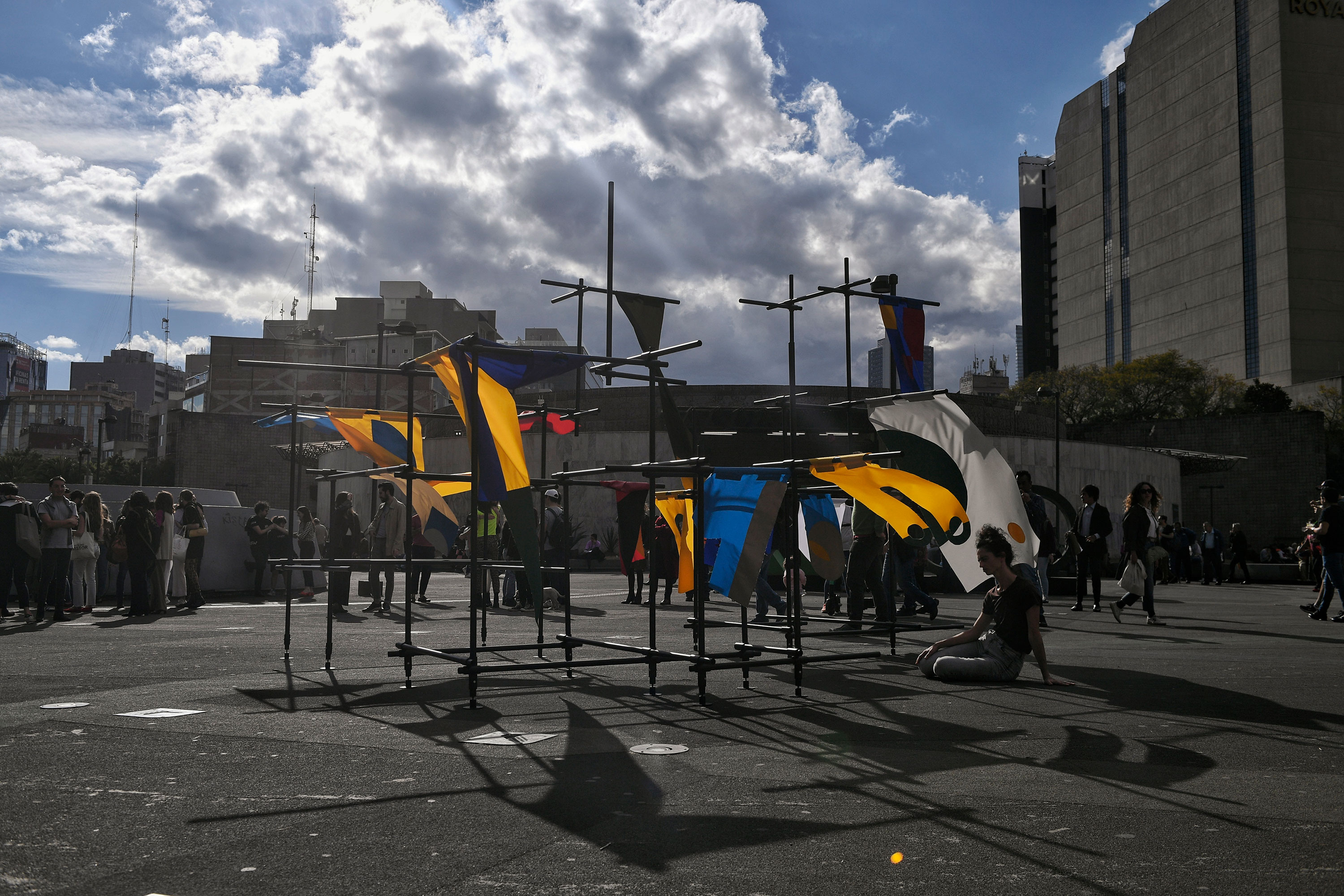
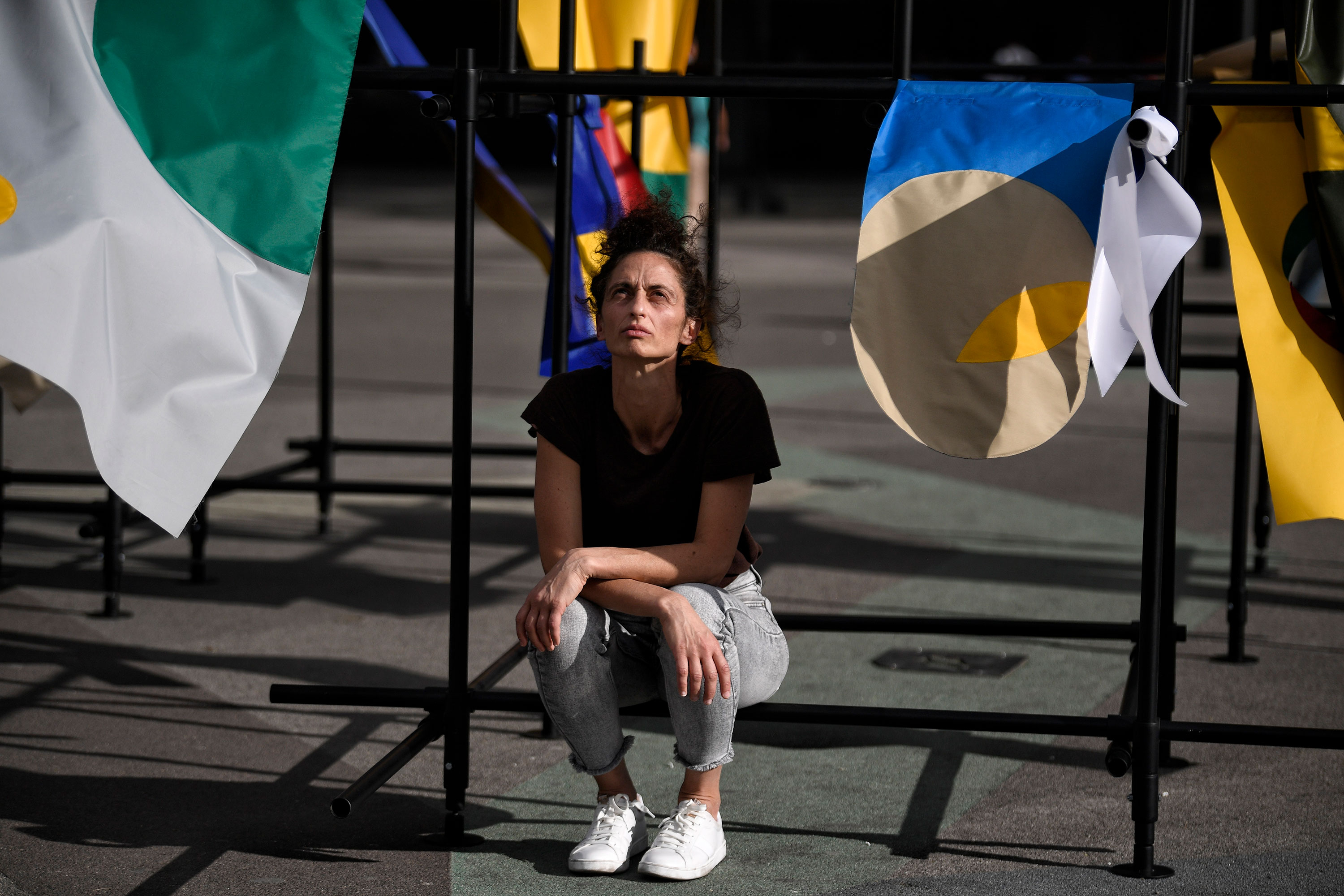
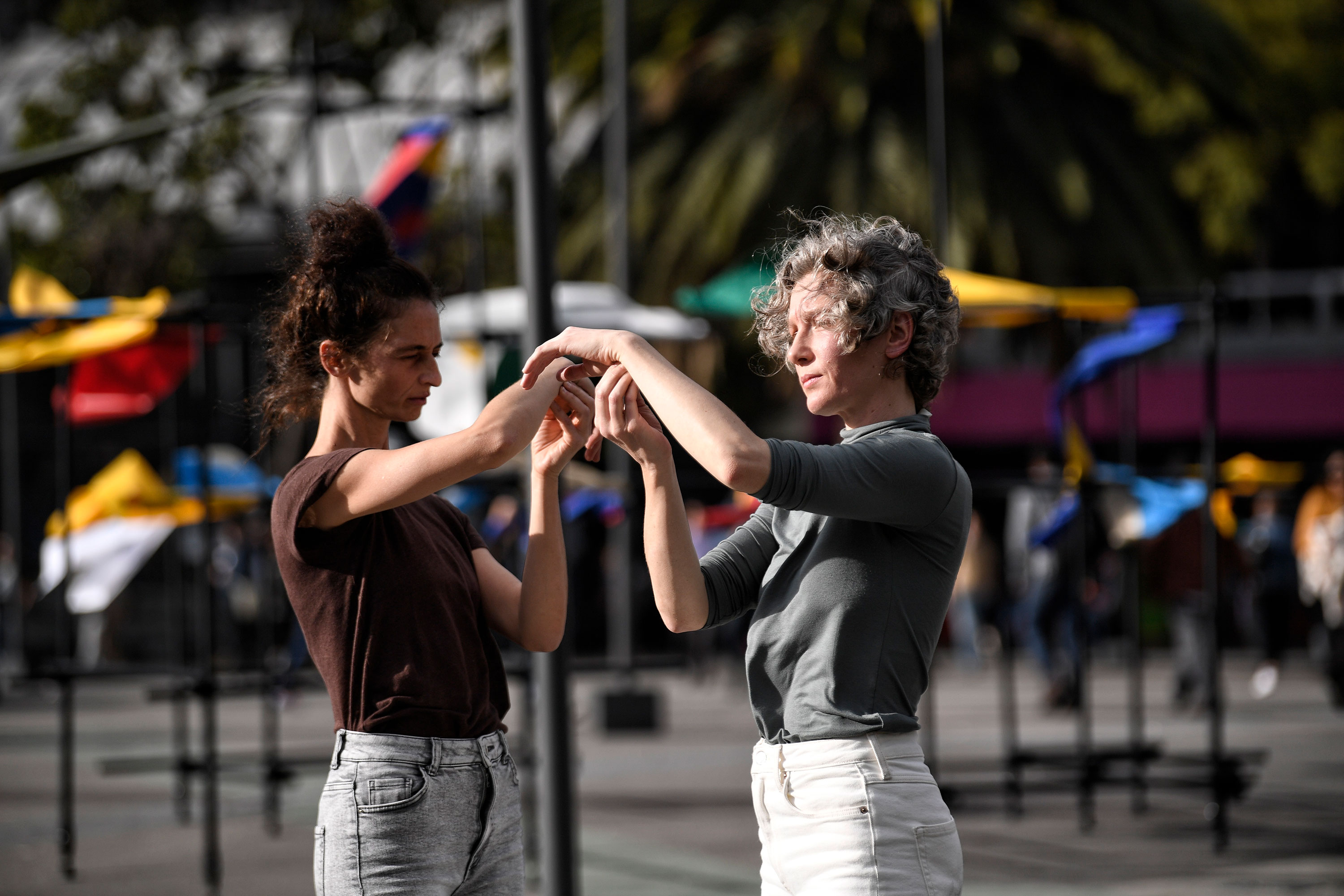
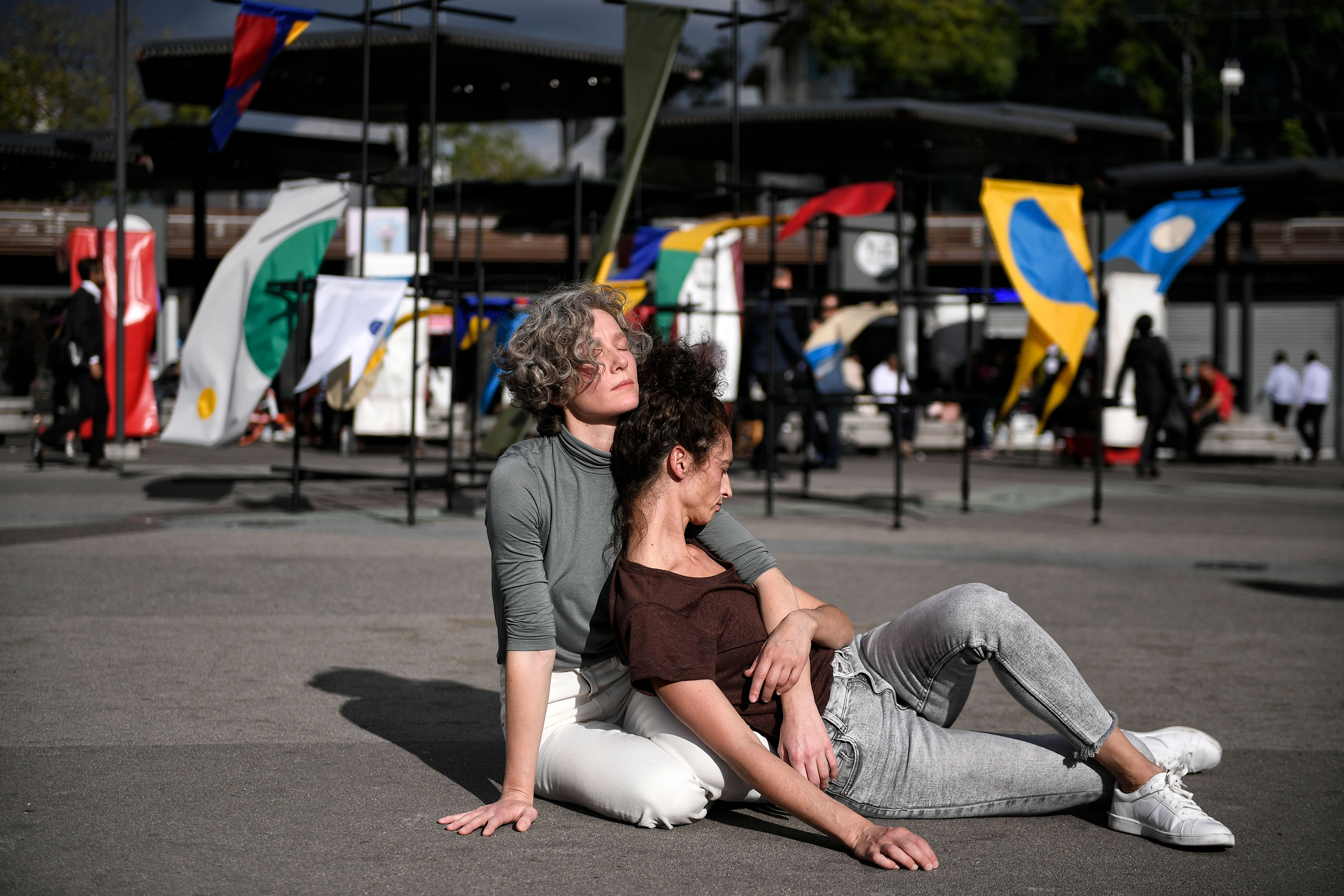
Built around a modular structure, this site-specific work occupied the public space of Glorieta de Insurgentes, offering an almost impossible sense of seclusion that was activated through performances by Anaïs Bouts and Tania Solomonoff.
Based on a modular structure, this site-specific work was installed in the public space of Glorieta de Insurgentes to offer an almost impossible sense of isolation, activated through performances by Anaïs Bouts and Tania Solomonoff.
Pavilion was a site-specific public sculpture conceived by Mateo López for Glorieta de Insurgentes, one of the busiest pedestrian hubs in Mexico City. Built from a modular structure composed of tubes, connecting nodes, and fabric, the work proposed an inhabitable, demountable space open to multiple configurations.
Inspired by Abitacolo (1971) by Bruno Munari, the piece revisited the idea of minimal architecture: a functional, lightweight, and adaptable object that can be assembled, disassembled, and transformed according to its context. In López's practice, drawing expands into sculpture, architecture, and movement; in Pavilion, this relationship was translated into the public realm as a series of three-dimensional lines that defined a space without completely enclosing it.
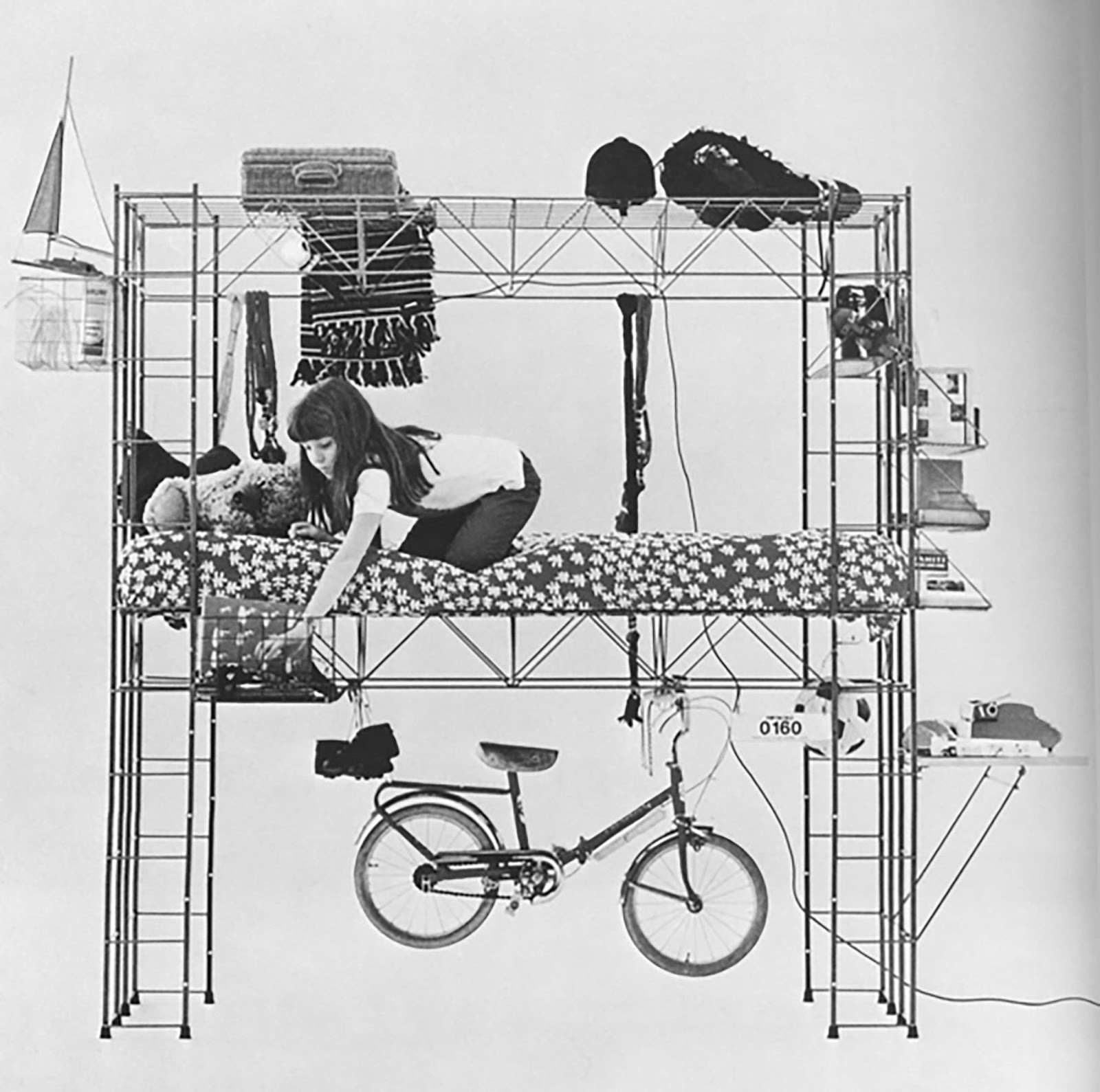
Caption: The artist draws inspiration from Bruno Munari's work, particularly his landmark 1971 piece Abitacolo, which proposes a living unit that functions not only as a bed but also as a desk, bookshelf, table, light source, and a space for play, recreation, and imagination.
Installed in a highly trafficked public square, the work generated a tension between stillness and movement, intimacy and exposure. Rather than isolating itself from its surroundings, its presence subtly altered the everyday experience of the site, creating a space for attention, play, and encounter within the urban flow.
The sculpture was activated through performances by Anaïs Bouts and Tania Solomonoff, who explored the relationship between the body and the sculptural structure. Through movement, Pavilion ceased to be merely an object and became a living device shaped by gestures, movement, and interactions with the public.
As a public art project, Pavilion brought the artwork into contact with a wide range of audiences—passersby, public transit users, visitors to Mexico City's Art Week, and the communities who live in or move through the area—shifting the artistic experience beyond the traditional exhibition space and into the shared public realm.
Both works are objects that can be easily assembled and disassembled with minimal use of screws. The connecting nodes that join their components allow for simple assembly, while their compact design facilitates transportation and storage. They are works reduced to their essentials.
Both pieces seek to create a sense of personal space, separated from the surrounding environment—a place of individual retreat.
.jpg)

Lem ipsum dolor sit amet, consectetur adipiscing elit, sed do eiusmod tempor incididunt ut labore et dolore magna aliqua. Ut enim ad minim veniam, quis nostrud exercitation ullamco laboris nisi ut aliquip ex ea commodo consequat. Duis aute irure dolor in reprehenderit in voluptate velit esse cillum dolore eu fugiat nulla pariatur.
Lorem ipsum dolor sit amet, consectetur adipiscing elit. Suspendisse varius enim in eros elementum tristique. Duis cursus, mi quis viverra ornare, eros dolor interdum nulla, ut commodo diam libero vitae erat. Aenean faucibus nibh et justo cursus id rutrum lorem imperdiet. Nunc ut sem vitae risus tristique posuere.
Durante la residencia predominaron los objetivos de PROTAGONISMO e IMAGINACIÓN tanto en las intenciones de les artistas como en el impacto observado en los digestivos realizados con el equipo de mediación. La repetición de materiales potenció el sentido de pertenencia e involucramiento de las infancias con el proceso creativo.
Tomando como eje principal los procesos de creación narrativa de las infancias, la residencia de Rufus Shakespeare + Andrés Sánchez exploró diversas técnicas y materiales para el desarrollo de piezas audiovisuales en las que les participantes fueran creadores y protagonistas.
Empleando diversas herramientas tanto análogas como digitales, Rufus y Andrés buscaron potenciar las capacidades expresivas de cada integrante del grupo para compartir su voz individual. Desde el registro sonoro, pasando por el stop motion hasta el uso de pantalla verde, las piezas finales presentan un vistazo a universos lúdicos llenos de textura y movimiento.
La residencia concluyó con una muestra grupal de todas las piezas audiovisuales a manera de premiere con una alfombra roja, paparazzis, palomitas y un picnic de celebración.
Aportaciones importantes
“Esta residencia nos ayudó a consolidar una forma de estructurar proyectos que construyen poco a poco. También aprendimos a trabajar con el caos”
— Rufus Shakespeare

Proyección del cortometraje Nueva Argirópolis de Lucrecia Martel y documental Resurrección de Eugenio Polgovsky en el auditorio del Museo Tamayo con presentación de Carolina Caycedo y conversación entre Deborah Martin y Sofía Enciso.
.jpg)
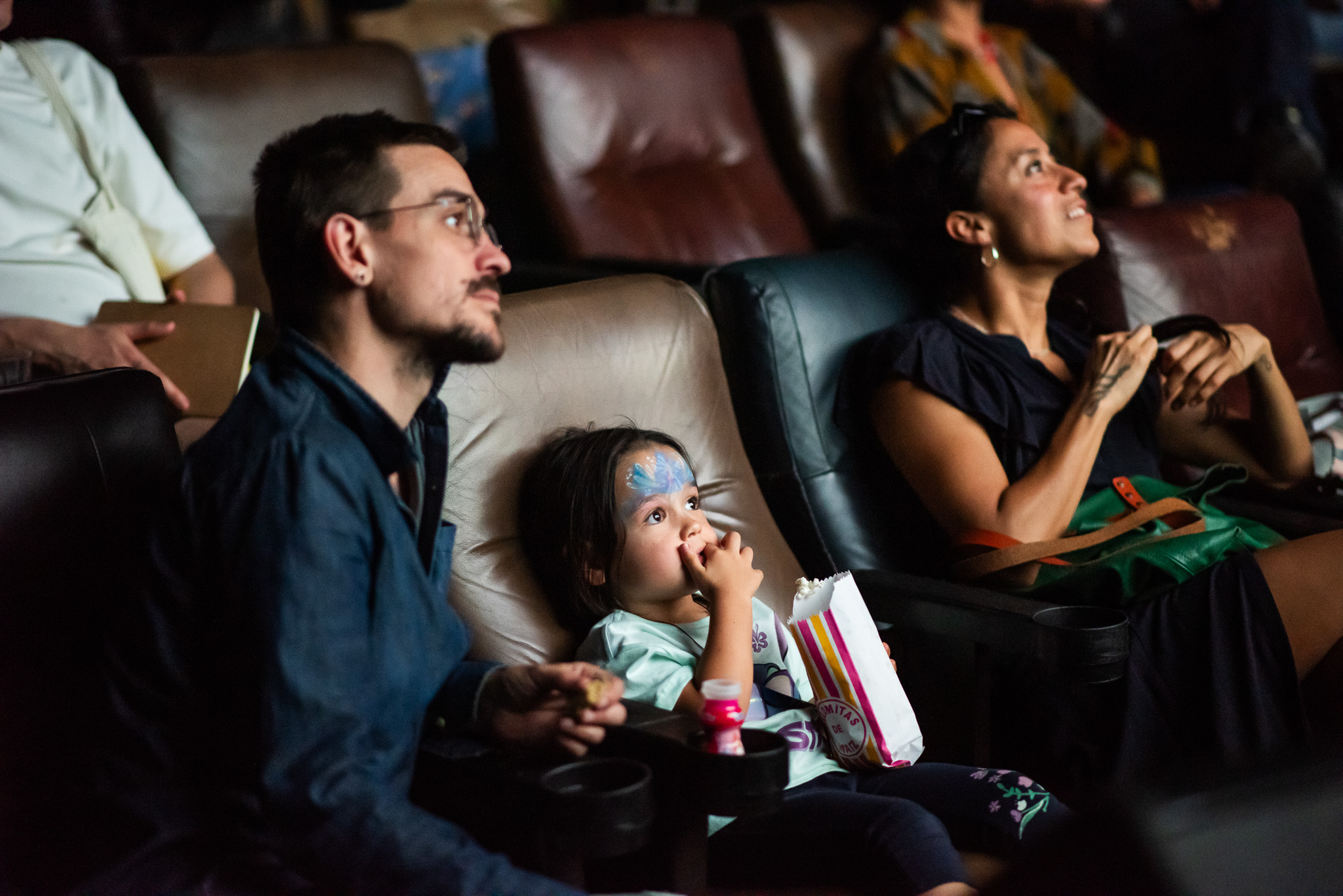
Proyección del cortometraje Nueva Argirópolis de Lucrecia Martel y documental Resurrección de Eugenio Polgovsky en el auditorio del Museo Tamayo con presentación de Carolina Caycedo y conversación entre Deborah Martin y Sofía Enciso.
Proyección del cortometraje Nueva Argirópolis de Lucrecia Martel y documental Resurrección de Eugenio Polgovsky en el auditorio del Museo Tamayo con presentación de Carolina Caycedo y conversación entre Deborah Martin y Sofía Enciso.
Proyección del cortometraje Nueva Argirópolis de Lucrecia Martel y documental Resurrección de Eugenio Polgovsky en el auditorio del Museo Tamayo con presentación de Carolina Caycedo y conversación entre Deborah Martin y Sofía Enciso.
Proyección del cortometraje Nueva Argirópolis de Lucrecia Martel y documental Resurrección de Eugenio Polgovsky en el auditorio del Museo Tamayo con presentación de Carolina Caycedo y conversación entre Deborah Martin y Sofía Enciso.