We develop public art projects and socially engaged practices alongside artists and communities, through processes of research, mediation, and collective creation. Our projects take shape across different formats, including public space interventions, residencies, workshops, walks, and public programs. Currently, our CASA residency program is carried out with two communities: CASACUNA, with children and caregivers, and CASAFUNFAI, with incarcerated mothers, their children, and caregivers.
.jpg)
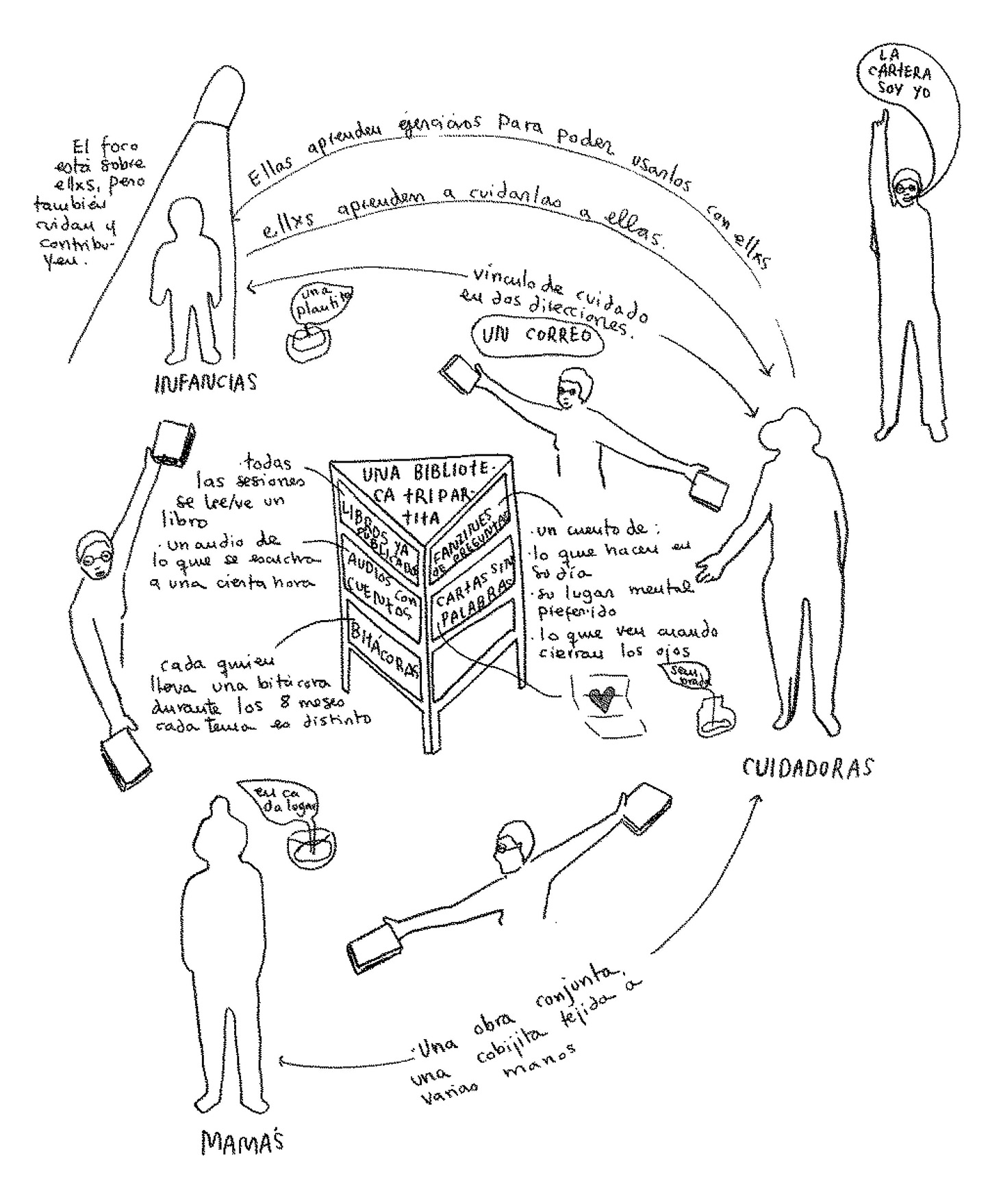
Narrative as a transformative potential is the guiding thread of this residency by Julia Reyes Retana, which connects children and mothers deprived of liberty.
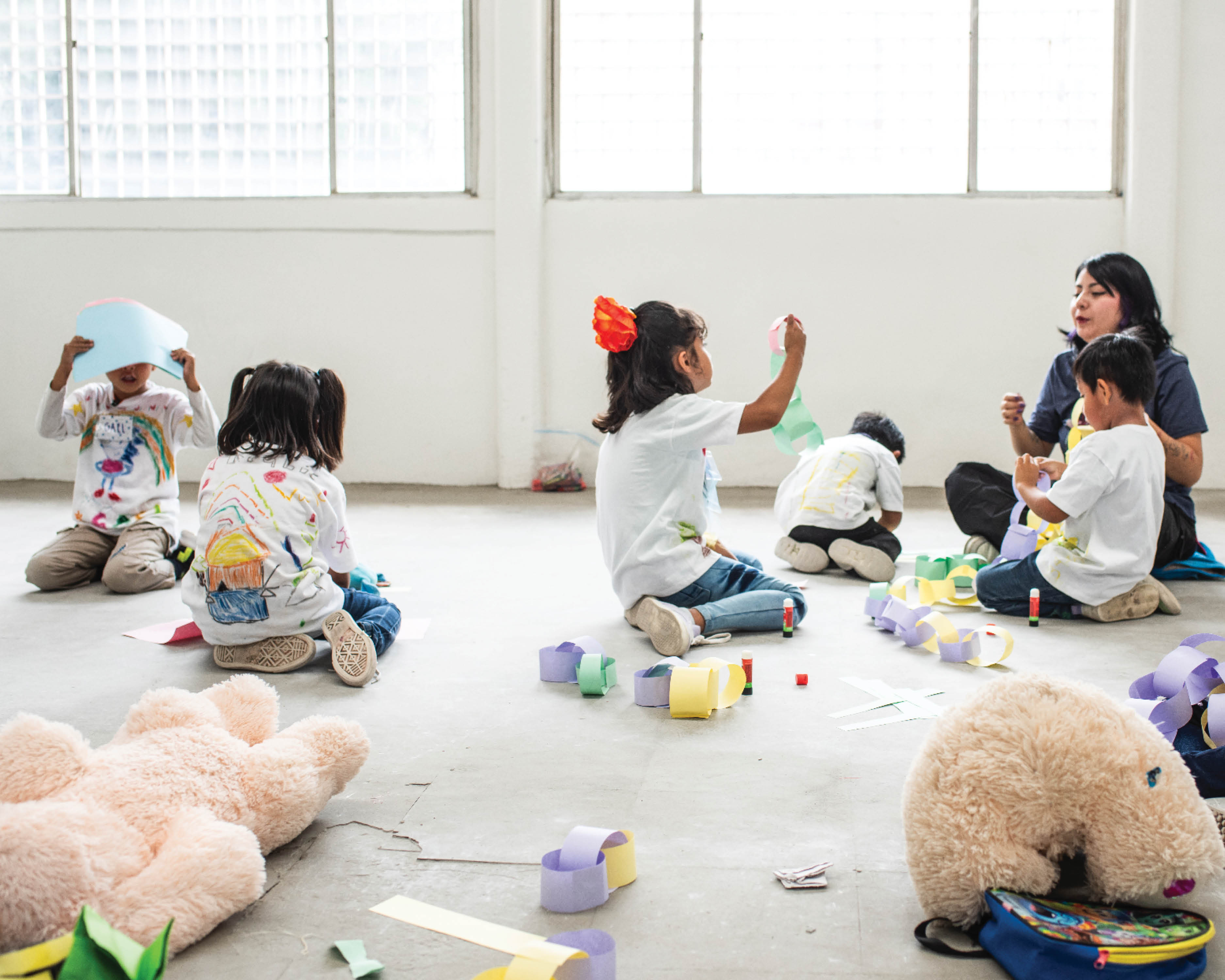
In August 2025, Celeste’s residency worked with the children of CASAFUNFAI in the creation of characters, costumes, and collective narratives. Through drawing, collage, and textile work, the children explored the value of relationships and the importance of recognizing themselves as part of a shared network.
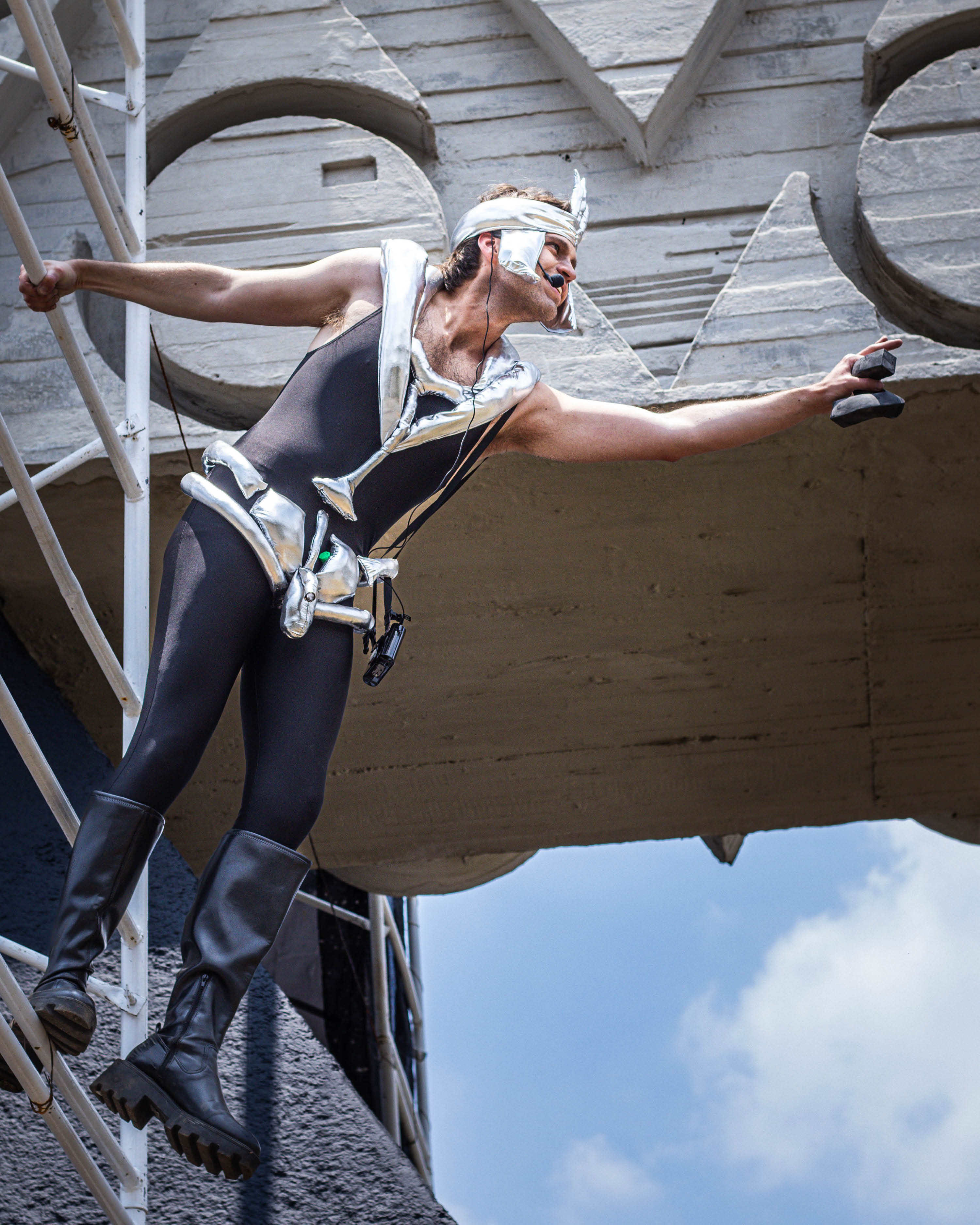
As part of Ruta del Castor’s series of walks through Mexico City, La Ruta invites collaborating artists to activate public space through their own perspectives, stories, and ways of moving through the city. Through walking, storytelling, and performative gestures, the initiative creates temporary and participatory forms of public art, opening the city to alternative narratives and new ways of reading the places we inhabit.

Through shared breakfasts and morning coffee, this first residency with the caregivers at FUNFAI created a safe space for listening to their needs and desires as a group.
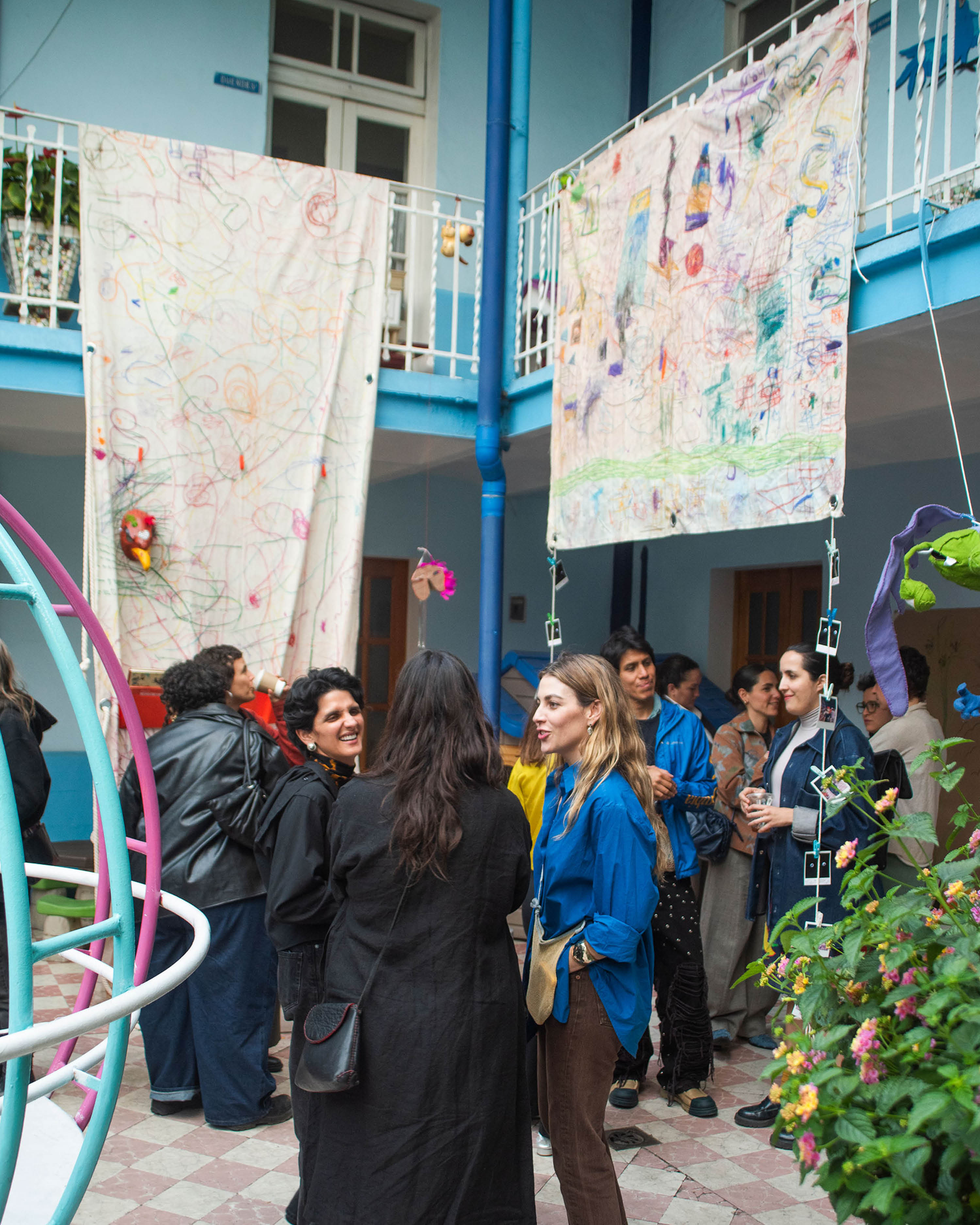
This exhibition was a testimony to encounters: records, fragments, and traces of processes in which art has served as a bridge for seeing (ourselves), narrating (ourselves), and building (ourselves) in community.
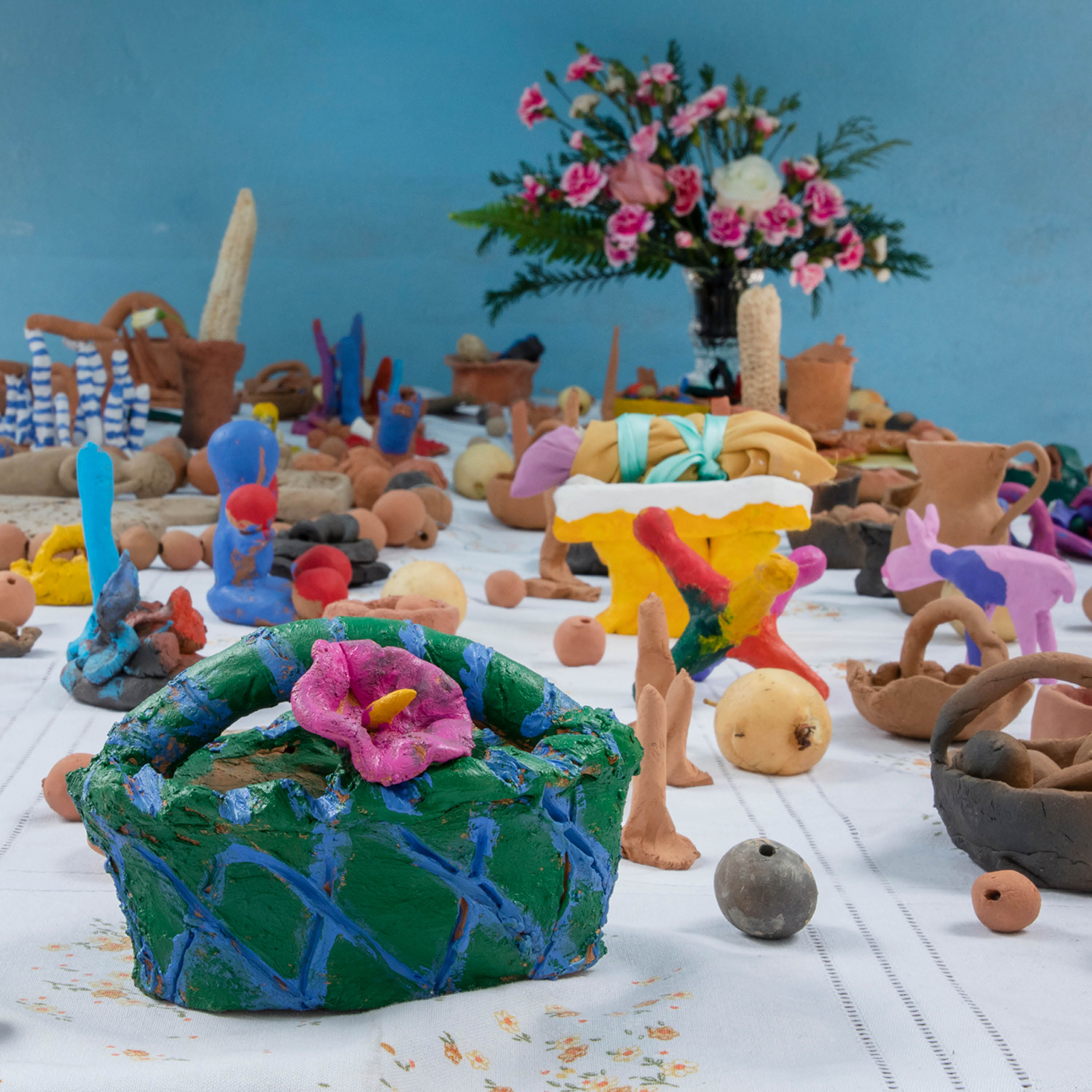
During Art Week 2022, we presented the CASA program's first process showcase. Through the artworks and documentation, we shared how art became a way for children, caregivers, and artists to connect in spaces of care and collective creation.

On March 27, 2025, we held our second fundraising party at Cabaret La Perla, featuring the performance Betty by Alberto Perera, along with music by Rufus and Momo.

On February 7, 2023, we presented Mariela Scafati's Kamishibai Theater performance at El Micky during Art Week, as part of our first fundraising party. The evening included music by DJ Bear and la Nota Culichi.

Between August and November 2024, Carolina and Ornella worked with women from Casa Cuna on an identity exploration process through photography and movement. They created a safe space for reflection, connecting with their stories, and building connections through active listening.
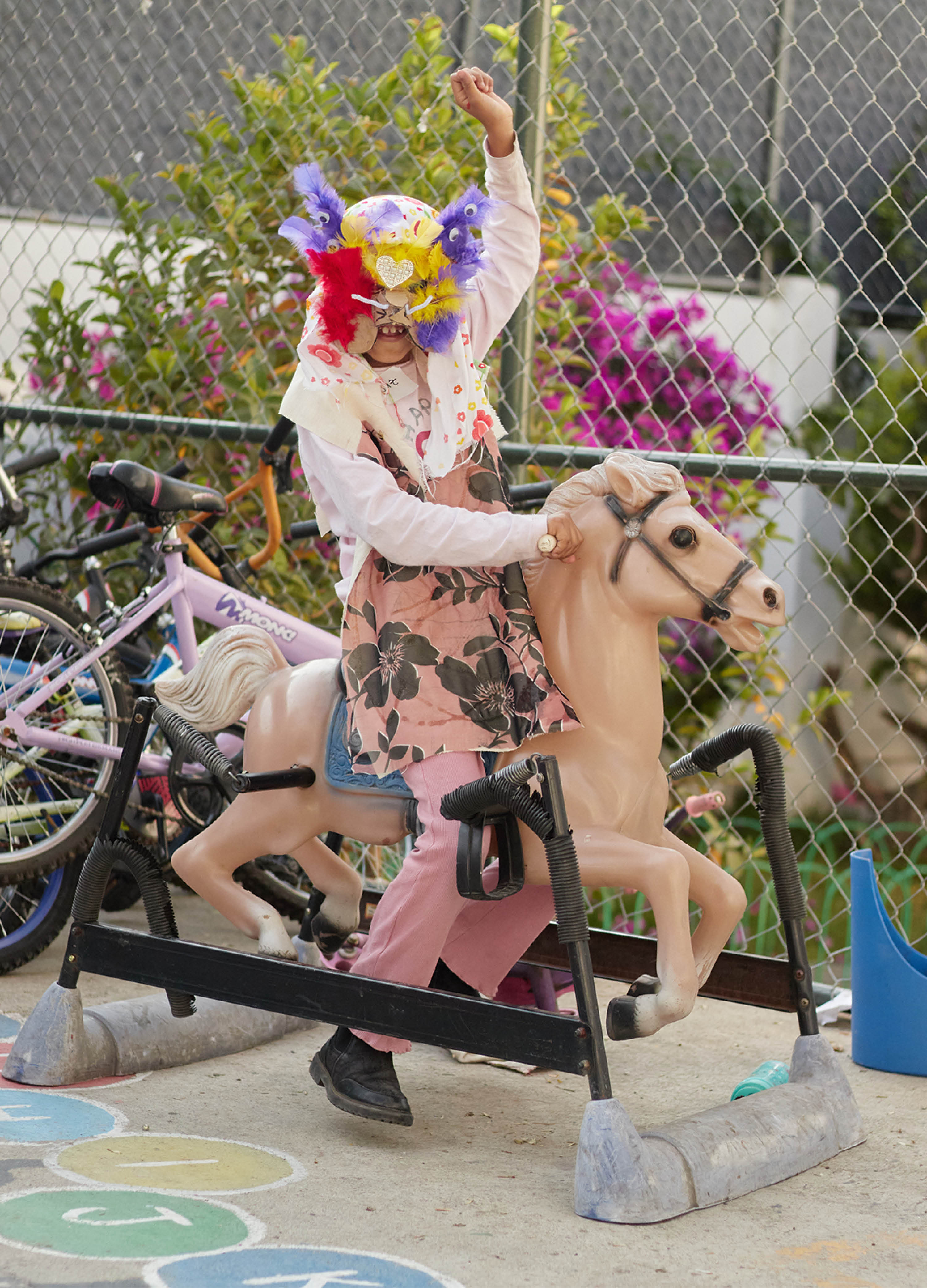
Through hands-on work, this residency aimed to stimulate imagination and learning in art, crafts, and trades.
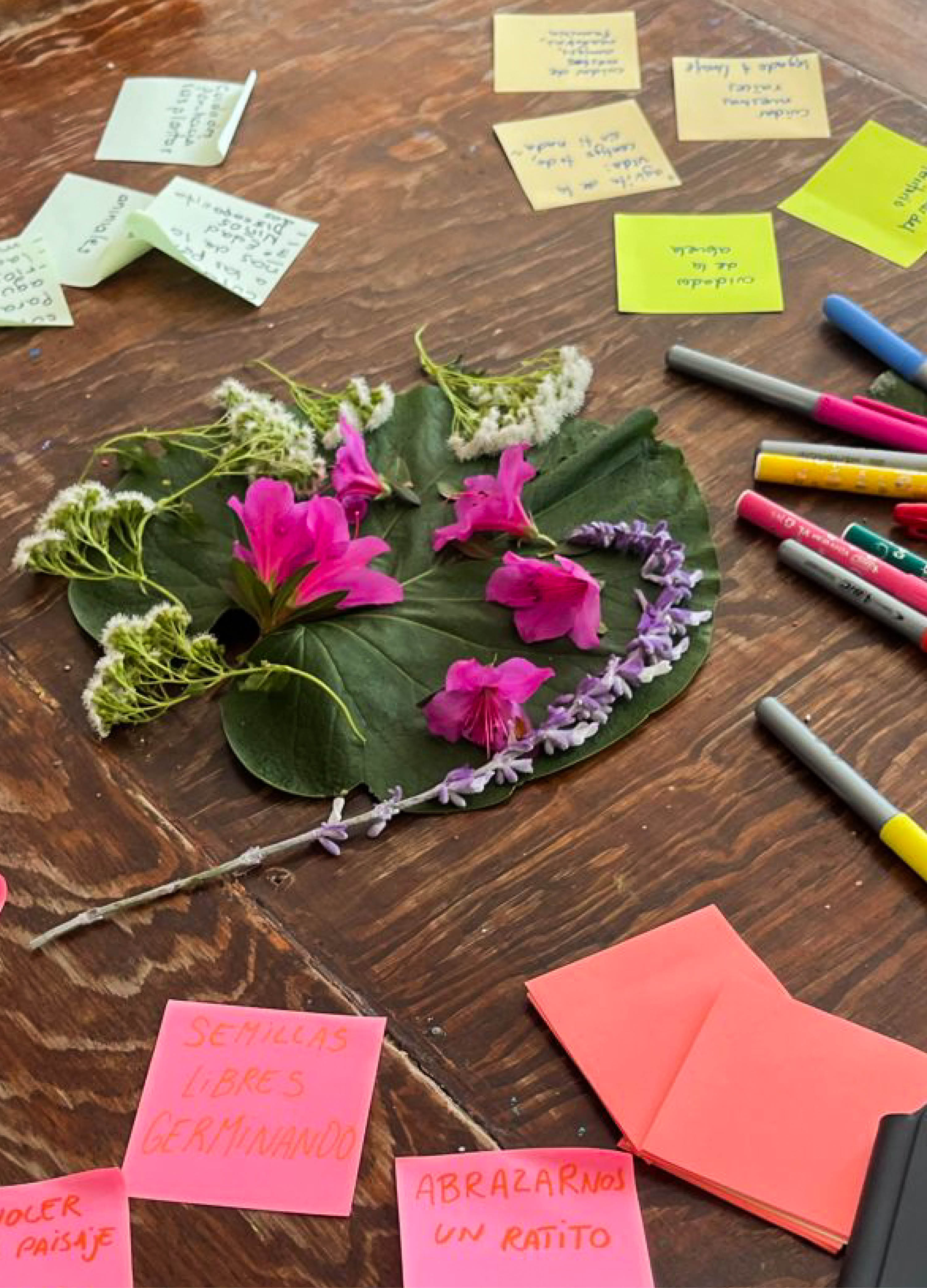
Through gatherings at the community breakfast space and research into herbal medicine, the artists and caregivers developed practices of deep listening as tools for personal and collective care.
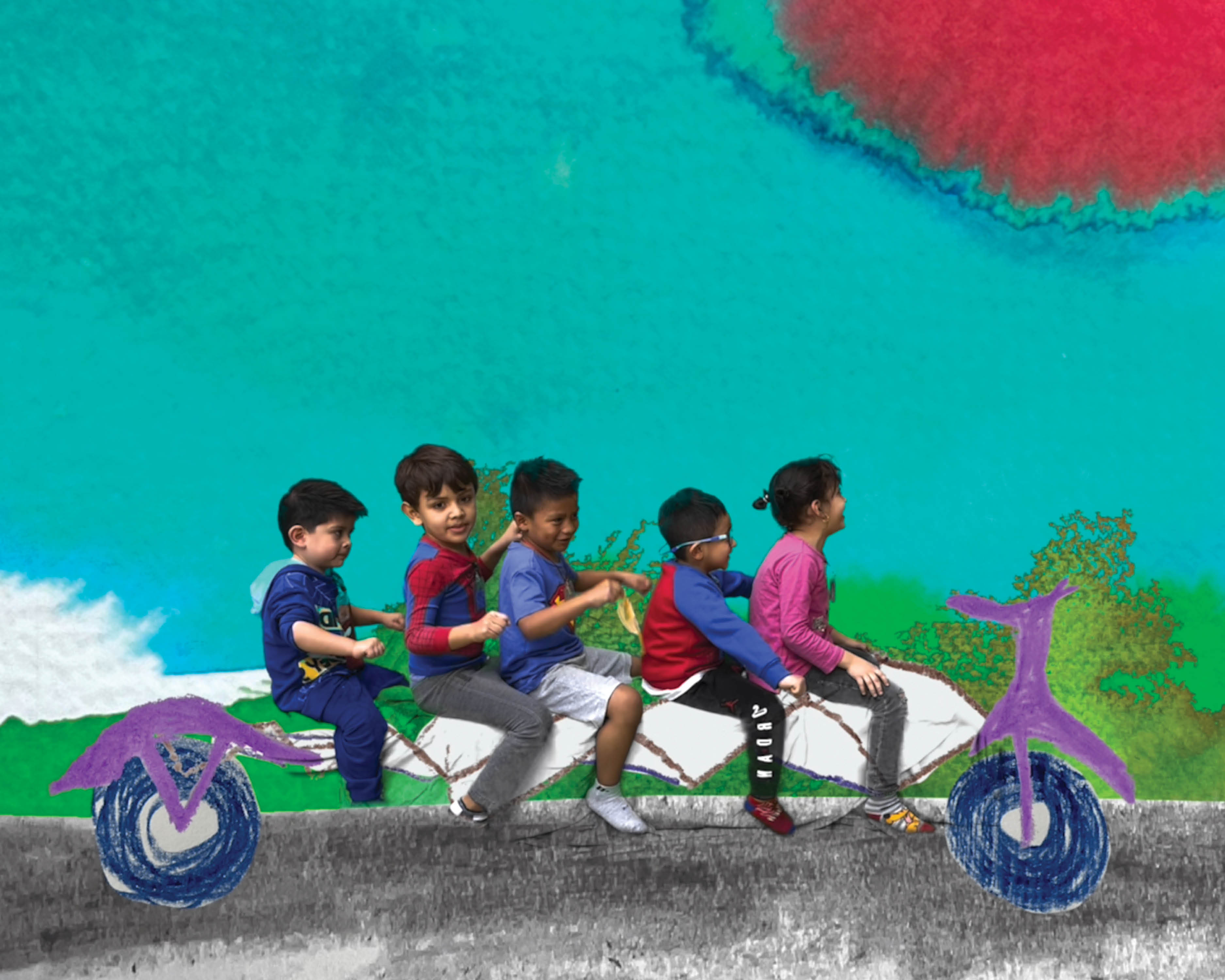
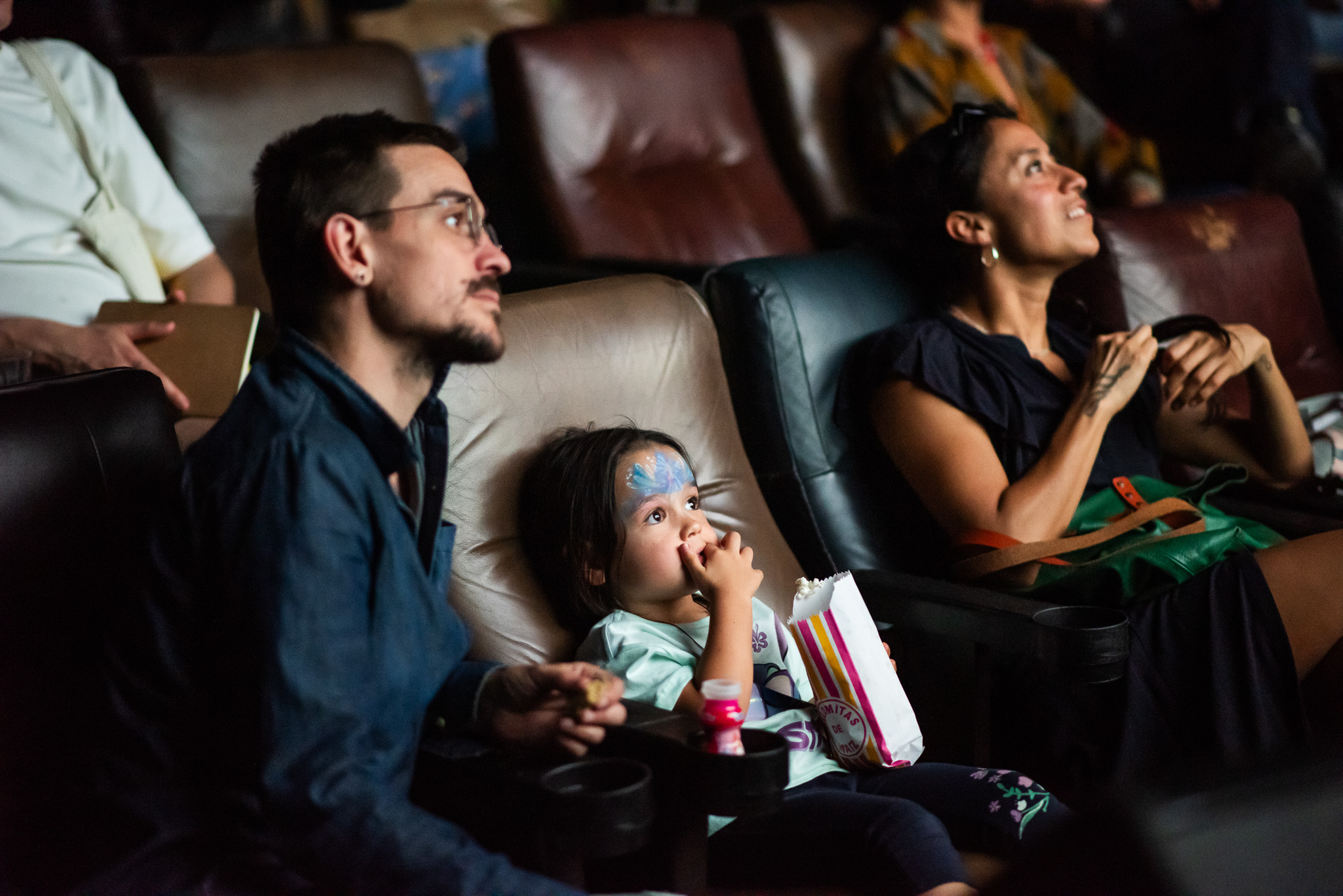
Between September and December 2024, Rufus Shakespeare and Andrés Sánchez worked with the children of CASACUNA in the creation of audiovisual pieces. The residency concluded with a group presentation in the style of a premiere, complete with a red carpet, paparazzi, popcorn, and a picnic.
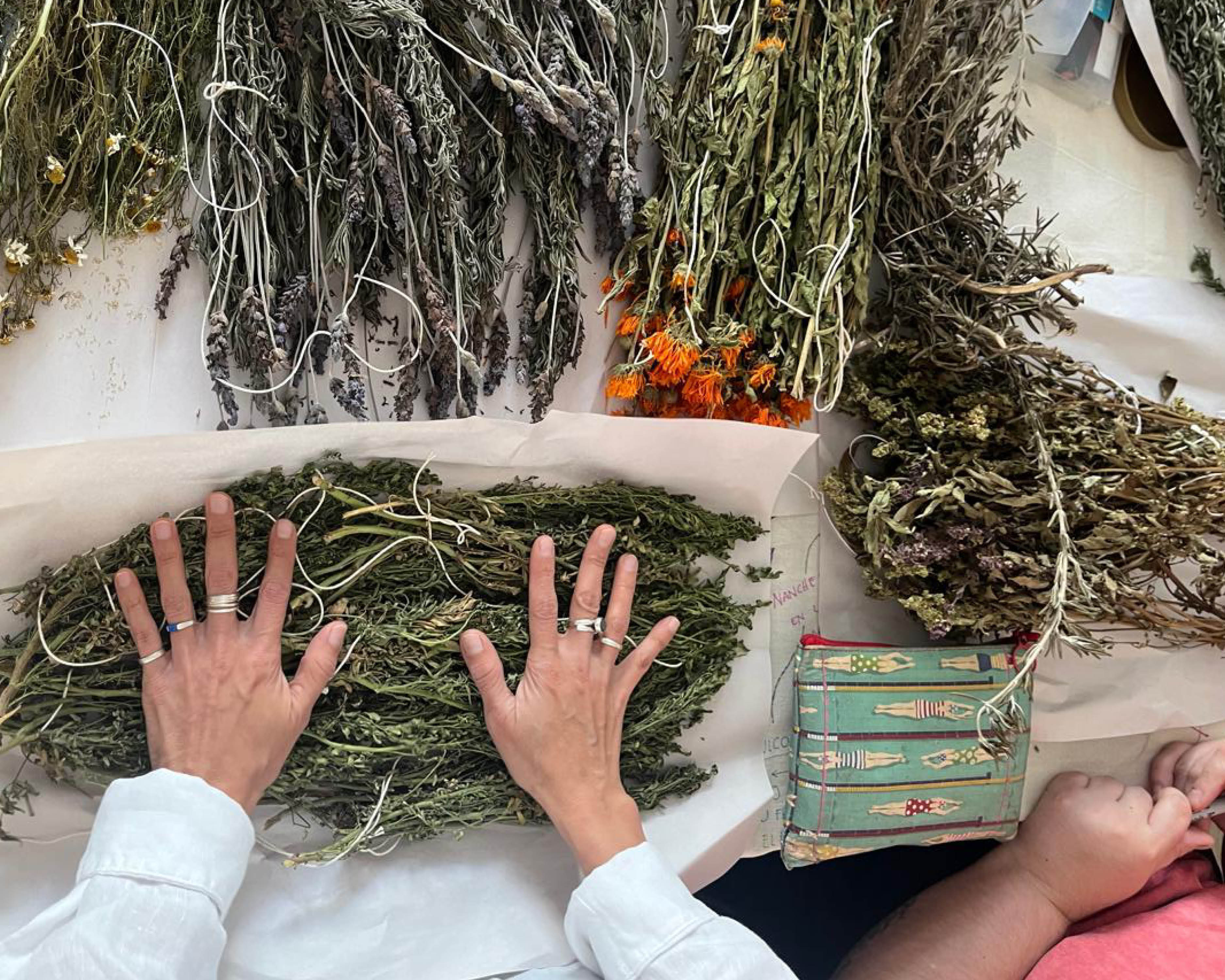
Through gatherings in the breakfast room and research into herbal medicine, the artists and caregivers developed tools for listening as part of both personal and collective care.
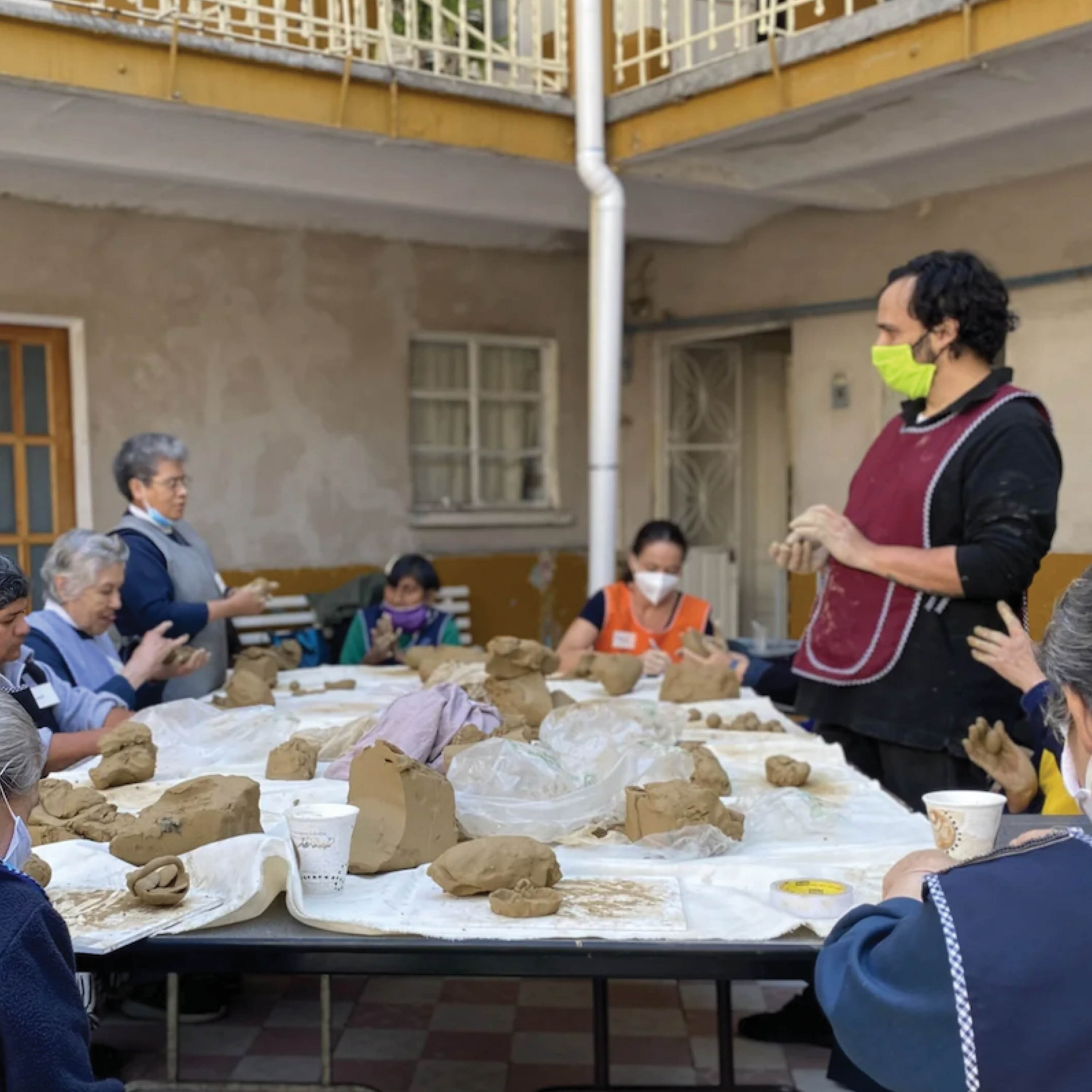
Between 2020 and 2021, Ramiro Chaves and María Tovar collaborated with the caregivers of Casa Cuna through a series of weekly workshops. Using art as a pedagogical tool, the residency addressed processes of healing, grief, affectivity, and thanatology, particularly within the context of the COVID-19 pandemic.
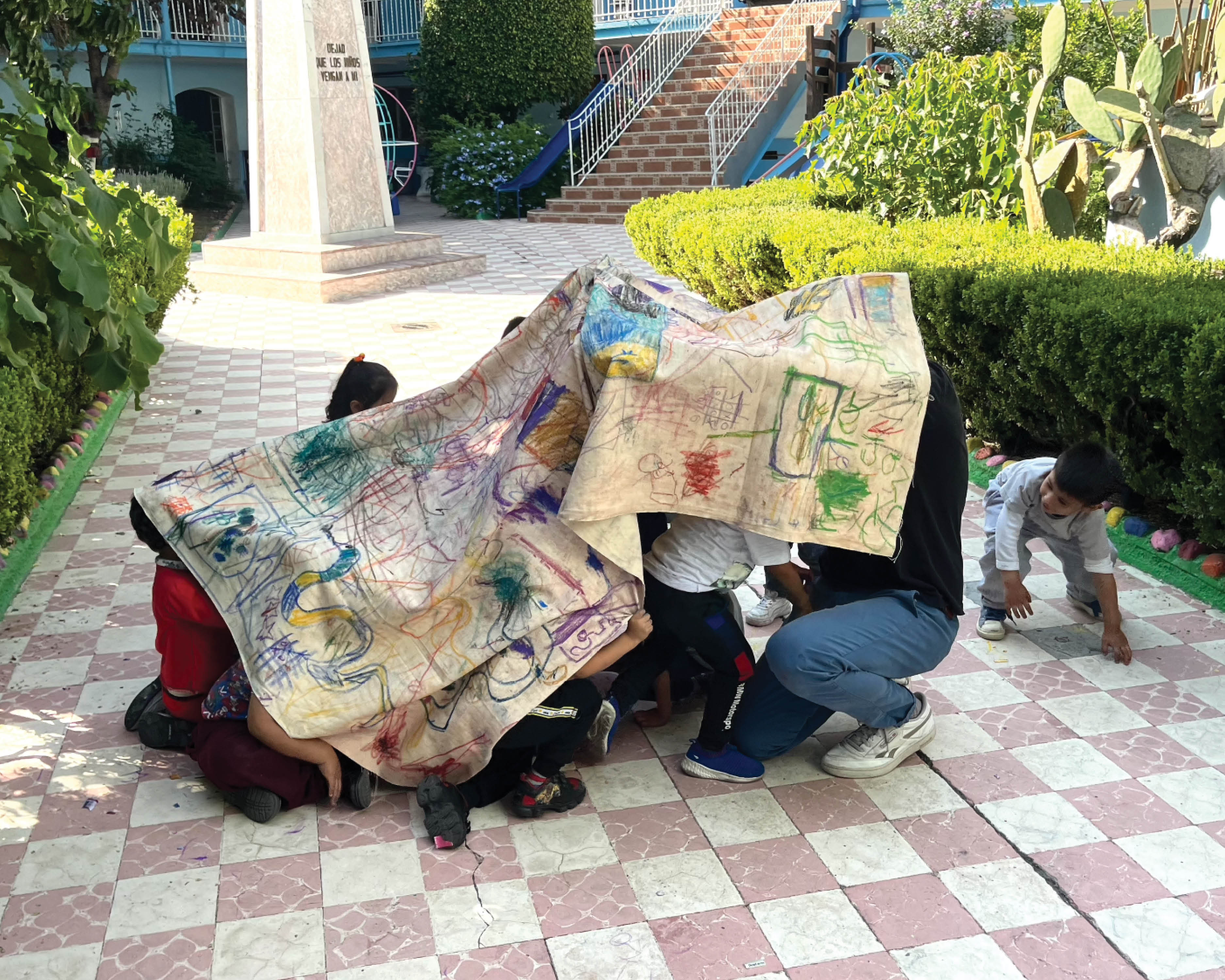
The "La Fantástica" residency proposed a performative storytelling project that combined objects, illustration, and collective stories to connect with children's inner worlds.
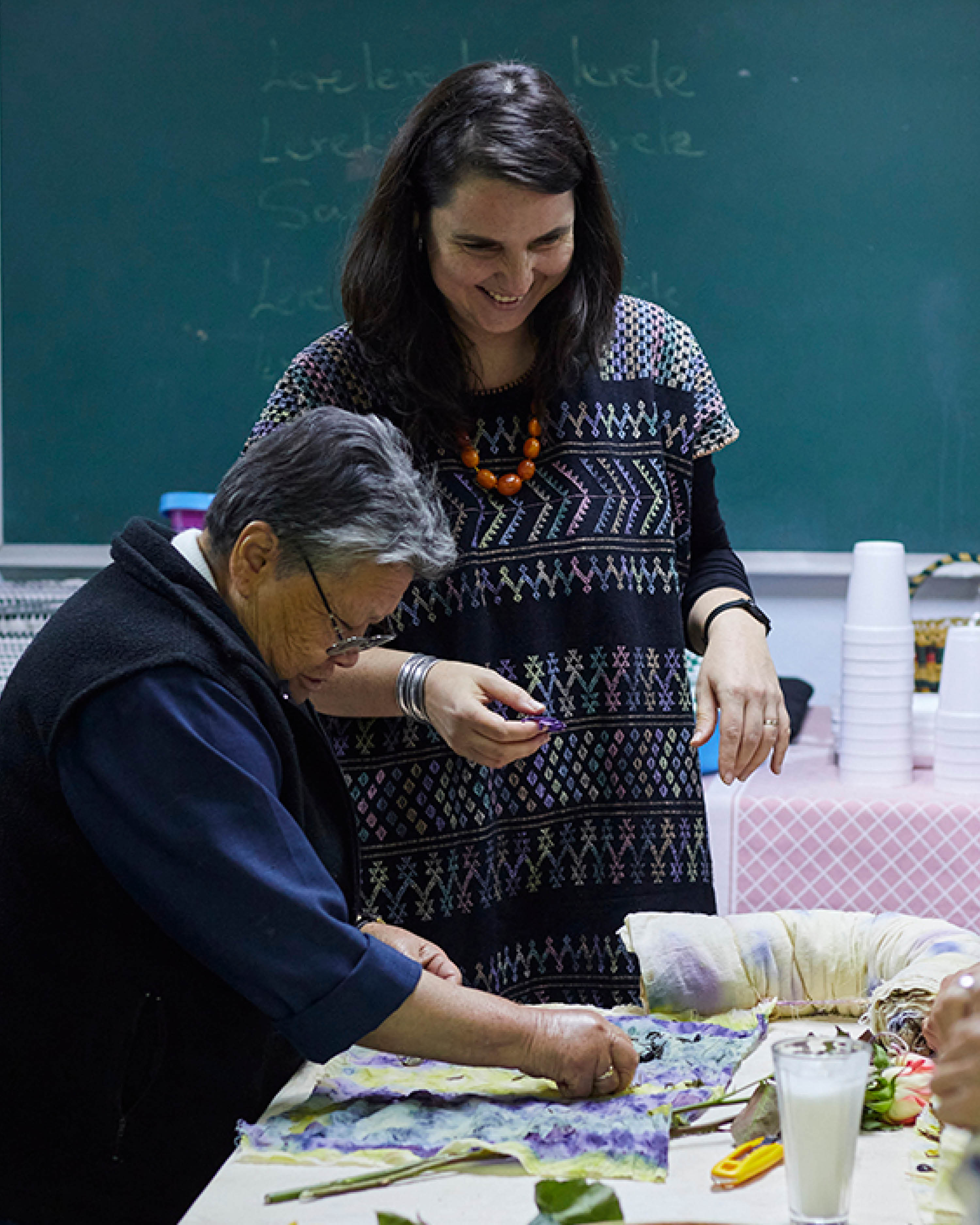
Inspired by the Virgin Mary's protective mantle, they reflected on care, symbolic motherhood, and self-care in an intimate and collective space.

During her second residency, Lucía Hinojosa developed Rewritings of Invocation, presented at Vernacular Institute. The project explores choral scores made by nuns between the 16th and 18th centuries, delving into their anonymity and the possibility of invoking those hidden voices.
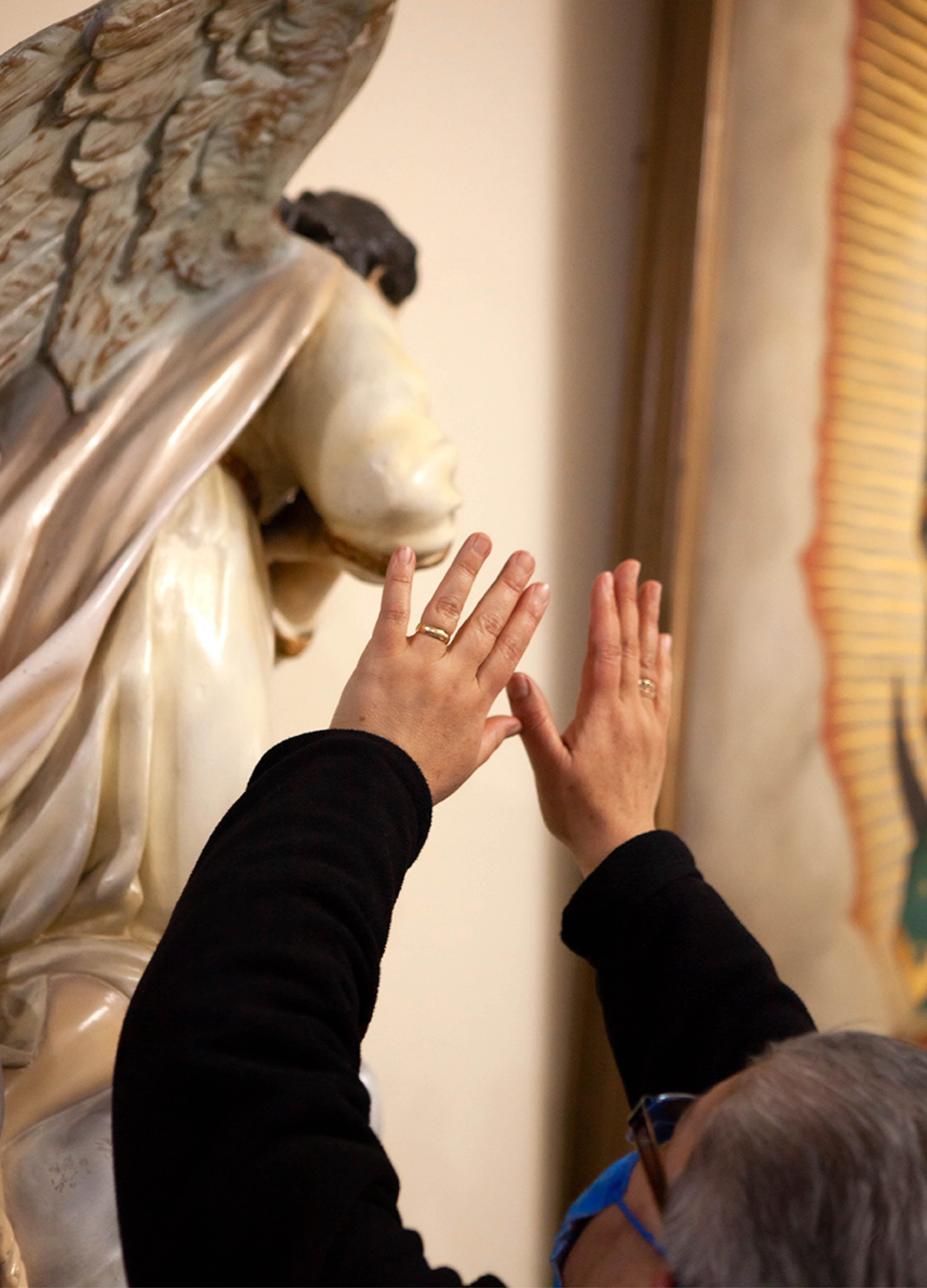
Drawing from the moving body, the caregivers observed the relationship between strength and suspension to redefine presence beyond a productive logic.

Entre marzo y mayo de 2022, Lucía trabajó en Casa Cuna alrededor de la poesía expandida para explorar narrativas de identidad, memoria y comunidad. A través de ejercicios, se dialogó sobre la casa, el barrio, la rutina y la incidencia de cada persona en su entorno desde una poética colectiva.
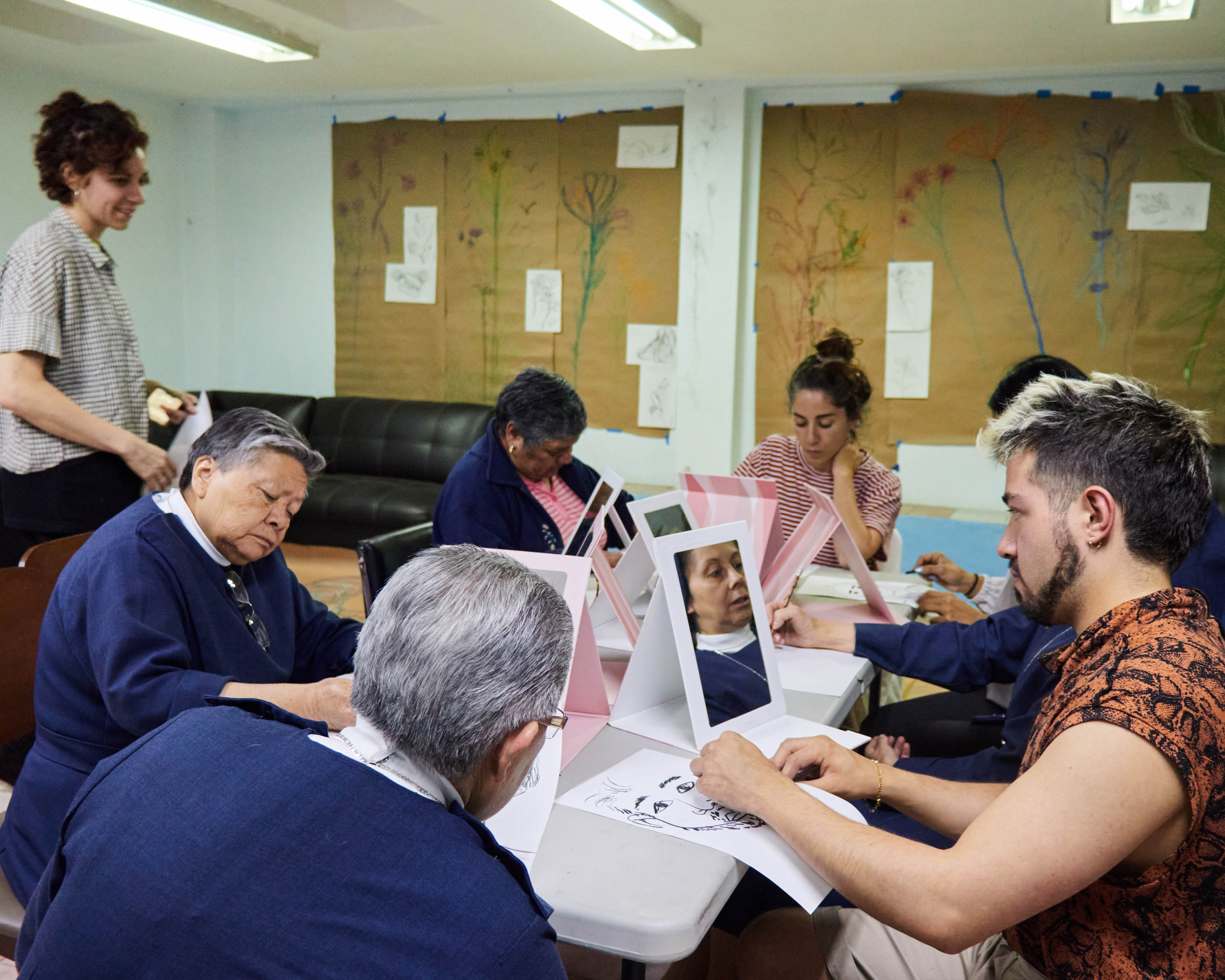
Through a series of exercises, this residency approached the line as trace, path, and memory, moving from drawing to embroidery, and considering how the body leaves a mark and how the world, in turn, inscribes itself upon it.
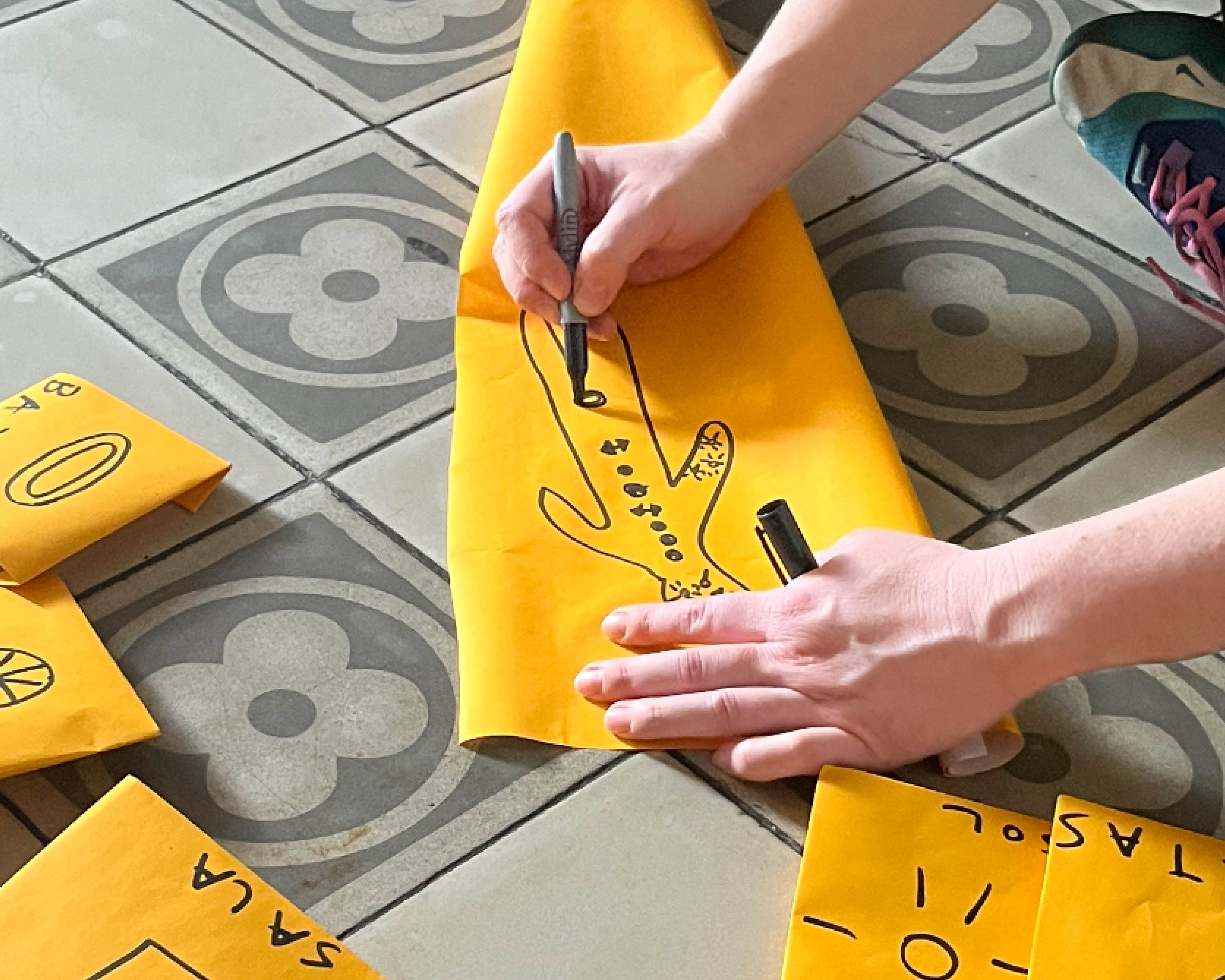
Exploring play, body movement, and improvisation, the residency focused on recognizing the characteristics of inhabited spaces.
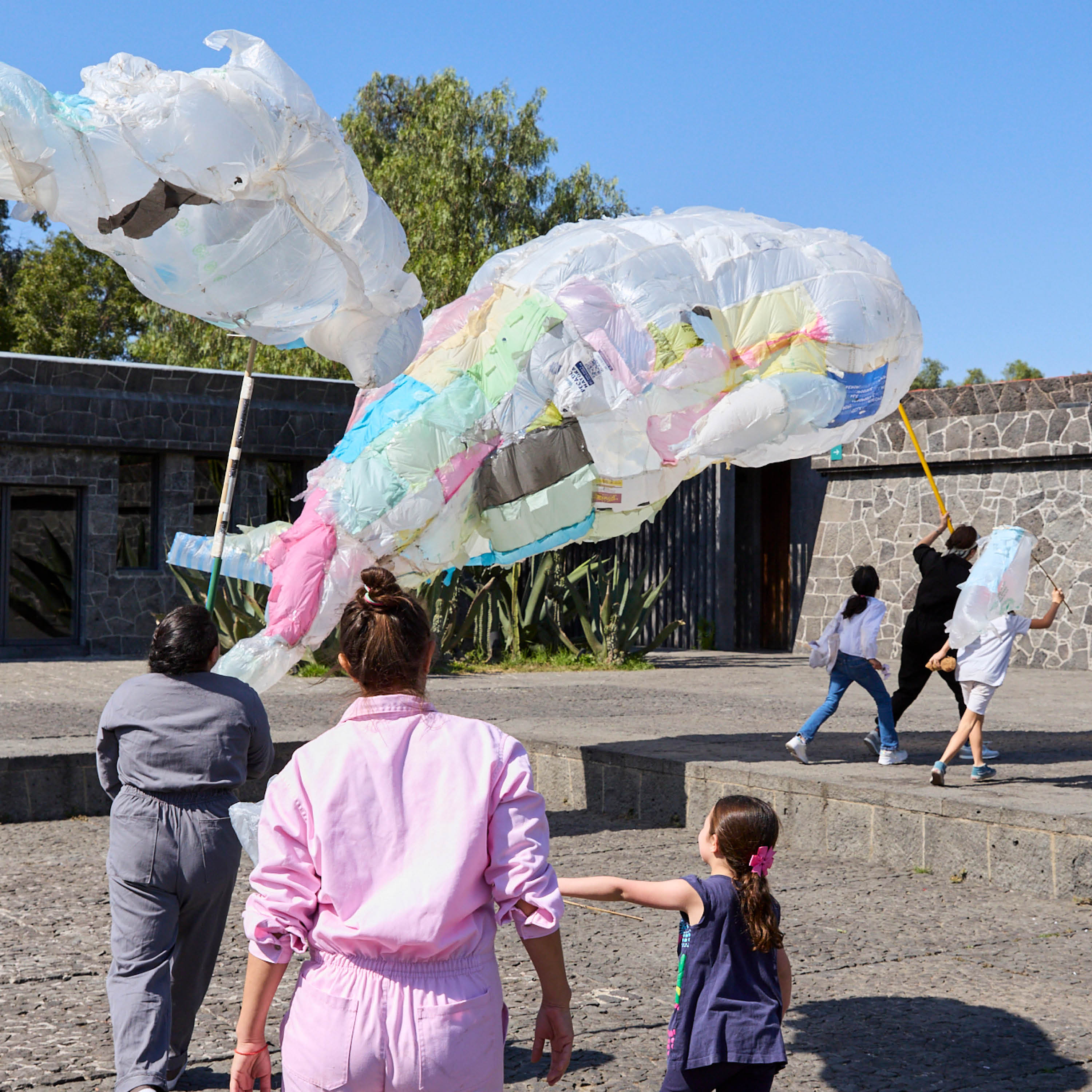
In the first summer residency of 2024, Atardecer Salvaje and the children of CASAFUNFAI used poetry, play, and non-verbal communication to create puppets and a collective performance that fostered internal and external dialogue, facilitating emotional expression and recognition.
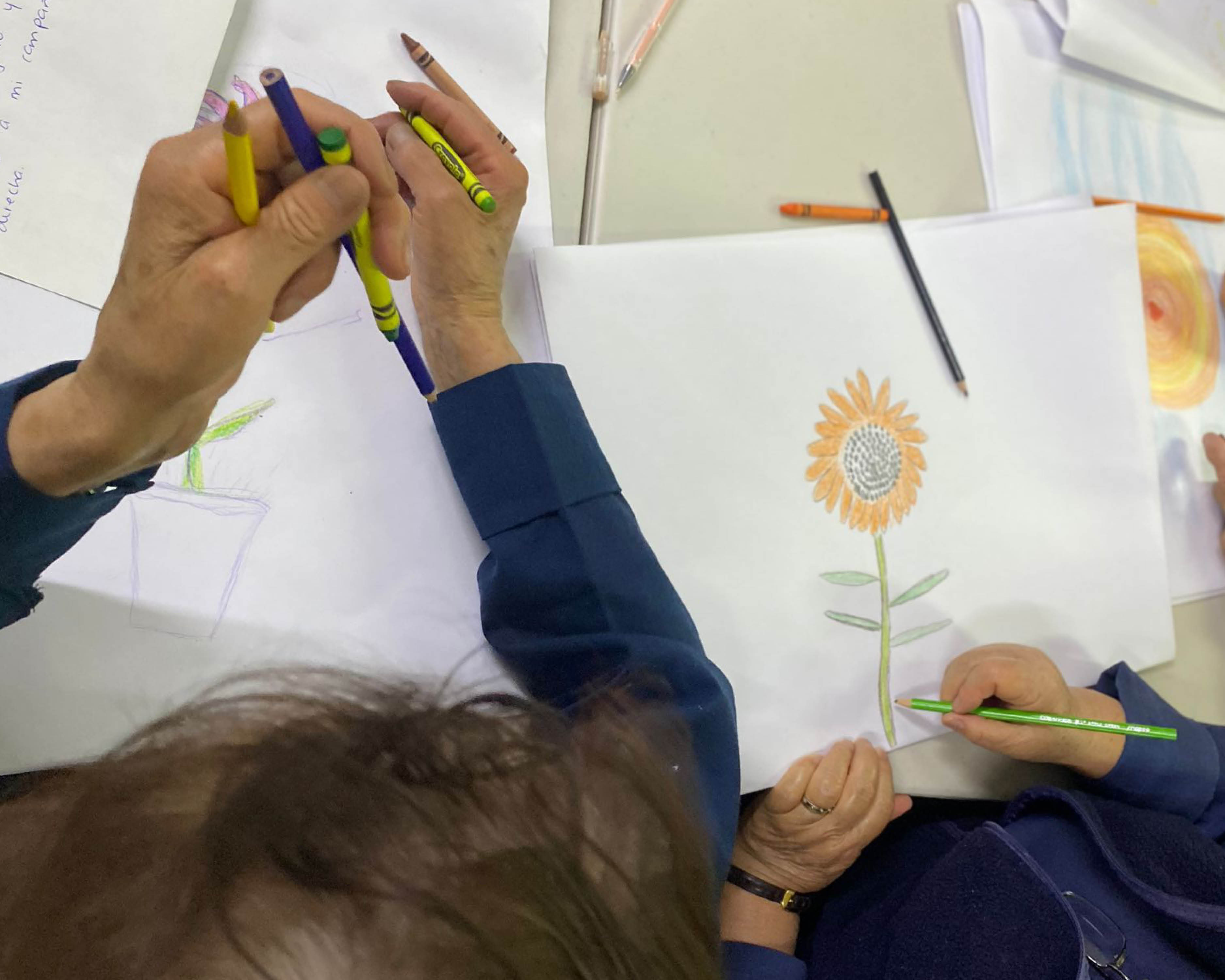
Between February and May 2023, the artist accompanied the caregivers at Casa Cuna La Paz, exploring aging as a natural process. She revisited her project "Pedimento," a clay ritual for expressing wishes, highlighting aging and the violence faced particularly by women in challenging contexts.
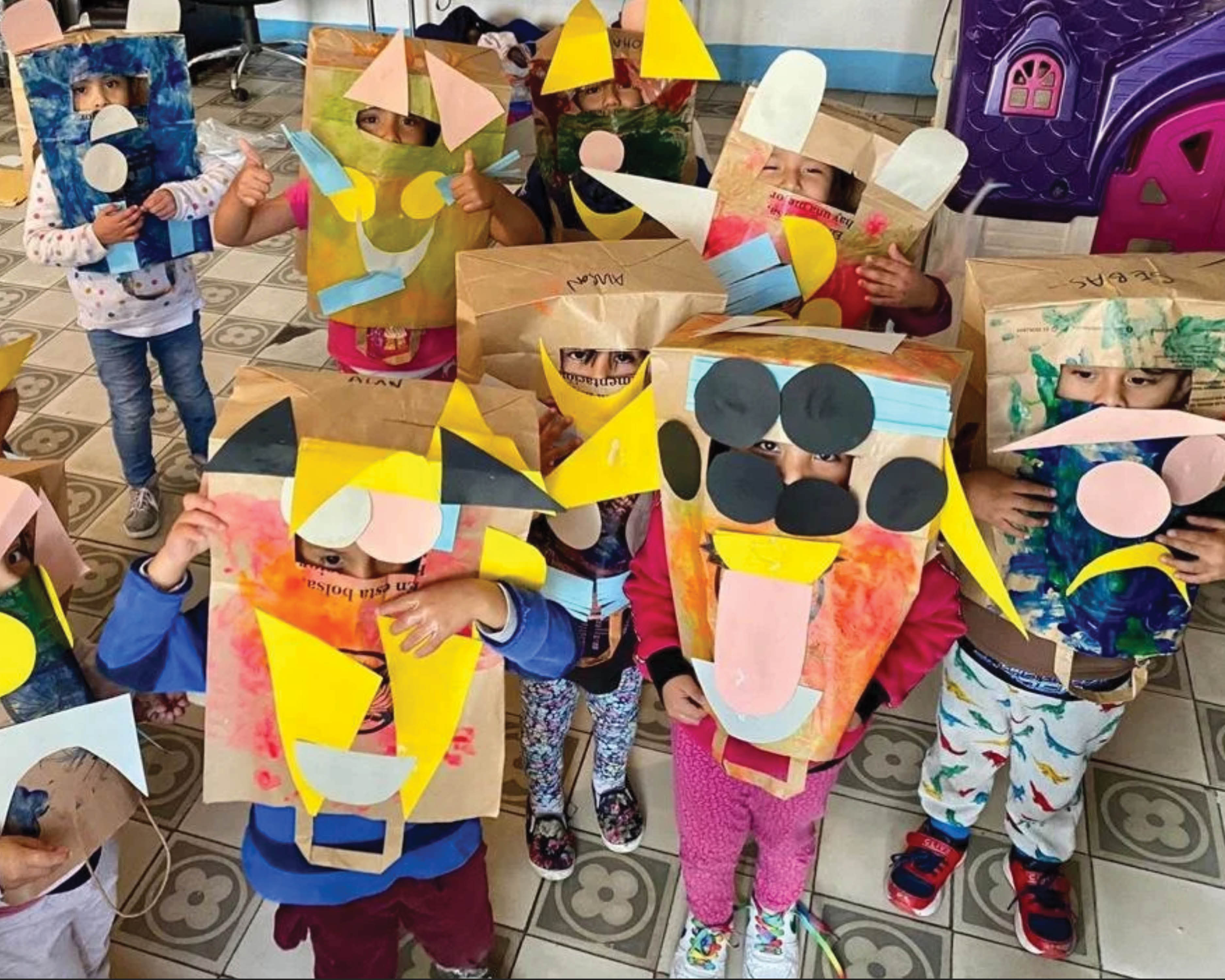
Between 2021 and 2022, during her residency, Galia Eibenschutz led experiences in movement, drawing, and empathy towards non-human forms. Through physical games and mask-making, she explored the relationship with plants and animals. It culminated in a performance alongside Nicolás García Lieberman.
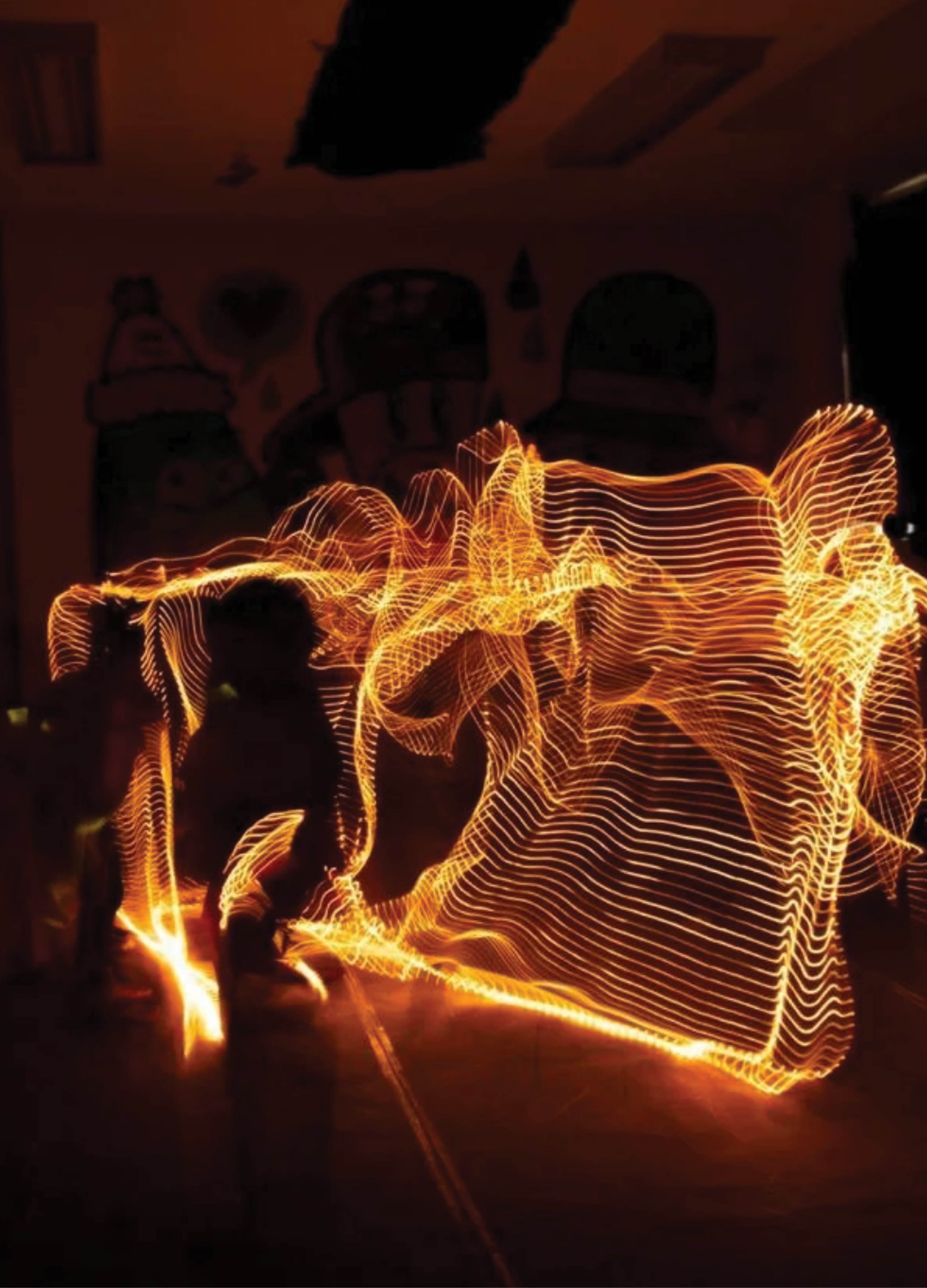
Between August and October 2019, La Hervidera offered six playful sessions for children, fostering creative and critical processes. Through drawing, movement, sound, and visual exploration, participants investigated and documented their surroundings, creating a collective space for play and artistic experimentation.
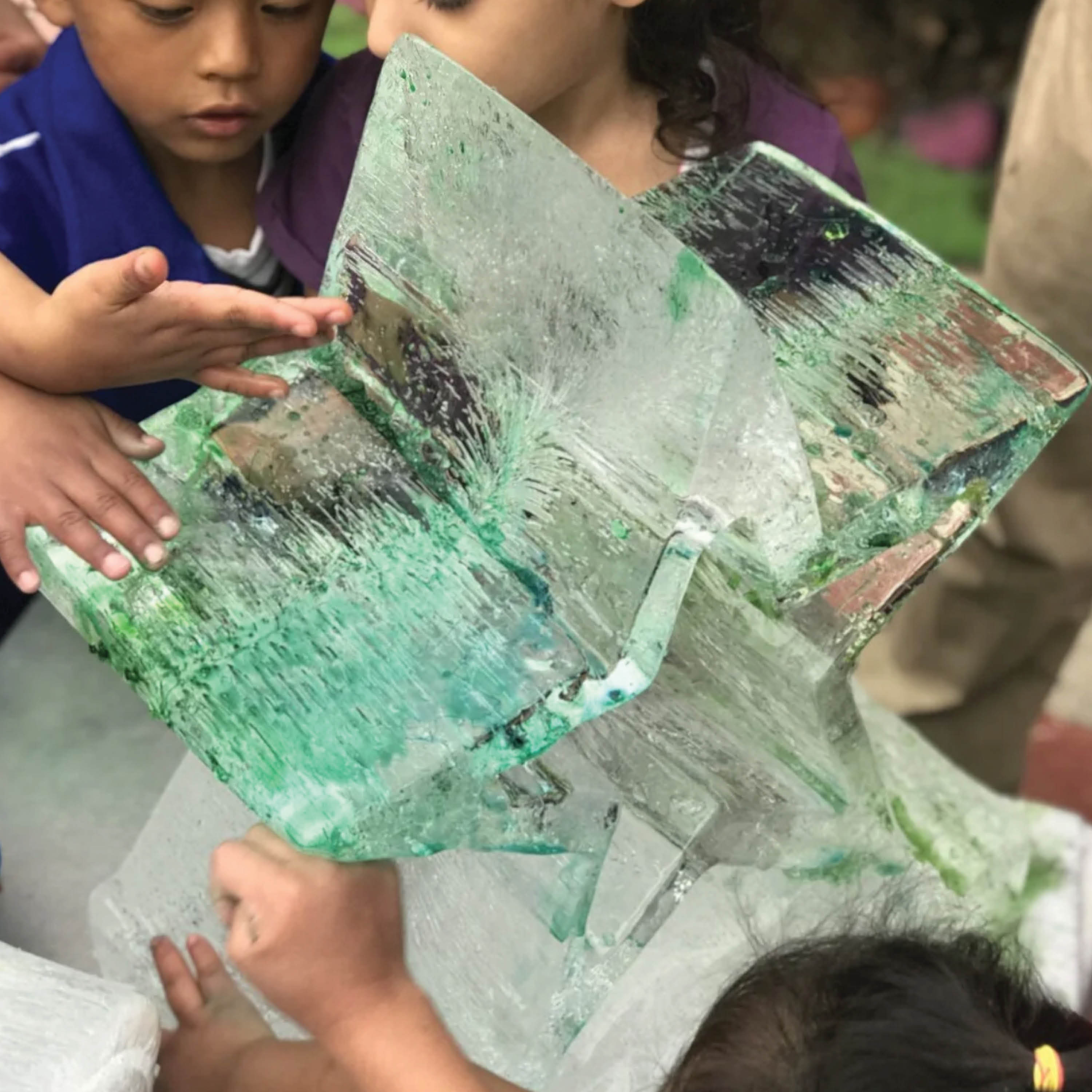
Between October and November 2019, Atelier Romo worked with children on matter and its transformation through the elements Air, Earth, Fire, and Water. They integrated visual arts, movement, poetry, and Zen stories to explore meaning and motion from both a playful and profound perspective.

Between 2022 and 2023, María Sosa and Noé Martínez worked on fine and gross motor skills with children from Casa Cuna La Paz, using exercises, clay, and visual materials from various cultures. The process fostered both individual expression and spontaneous collaboration among participants.
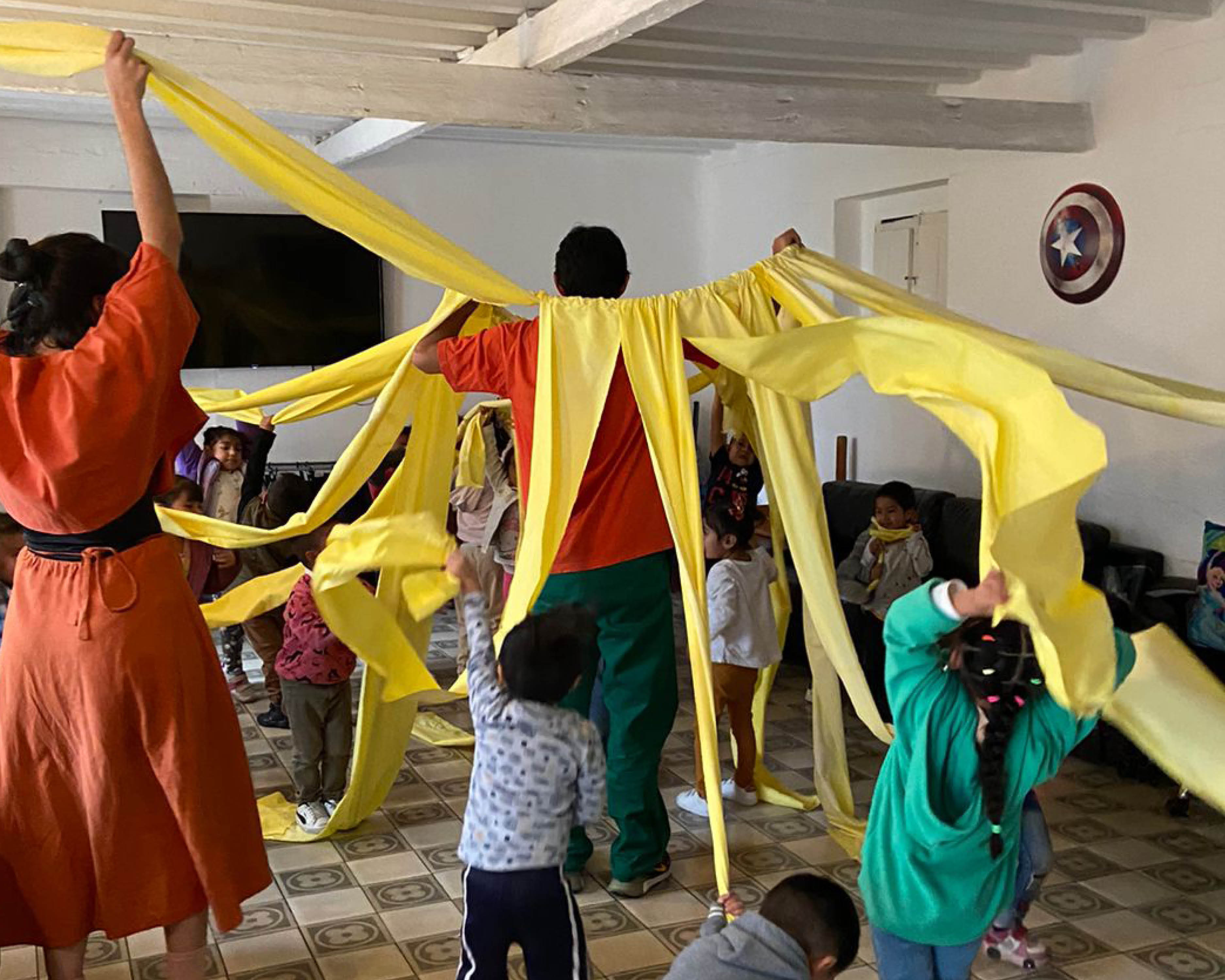
Between March and June 2023, Celeste worked for eight weeks with the children of Casa Cuna La Paz, creating sensory and emotional experiences through unrestricted play with fabrics.
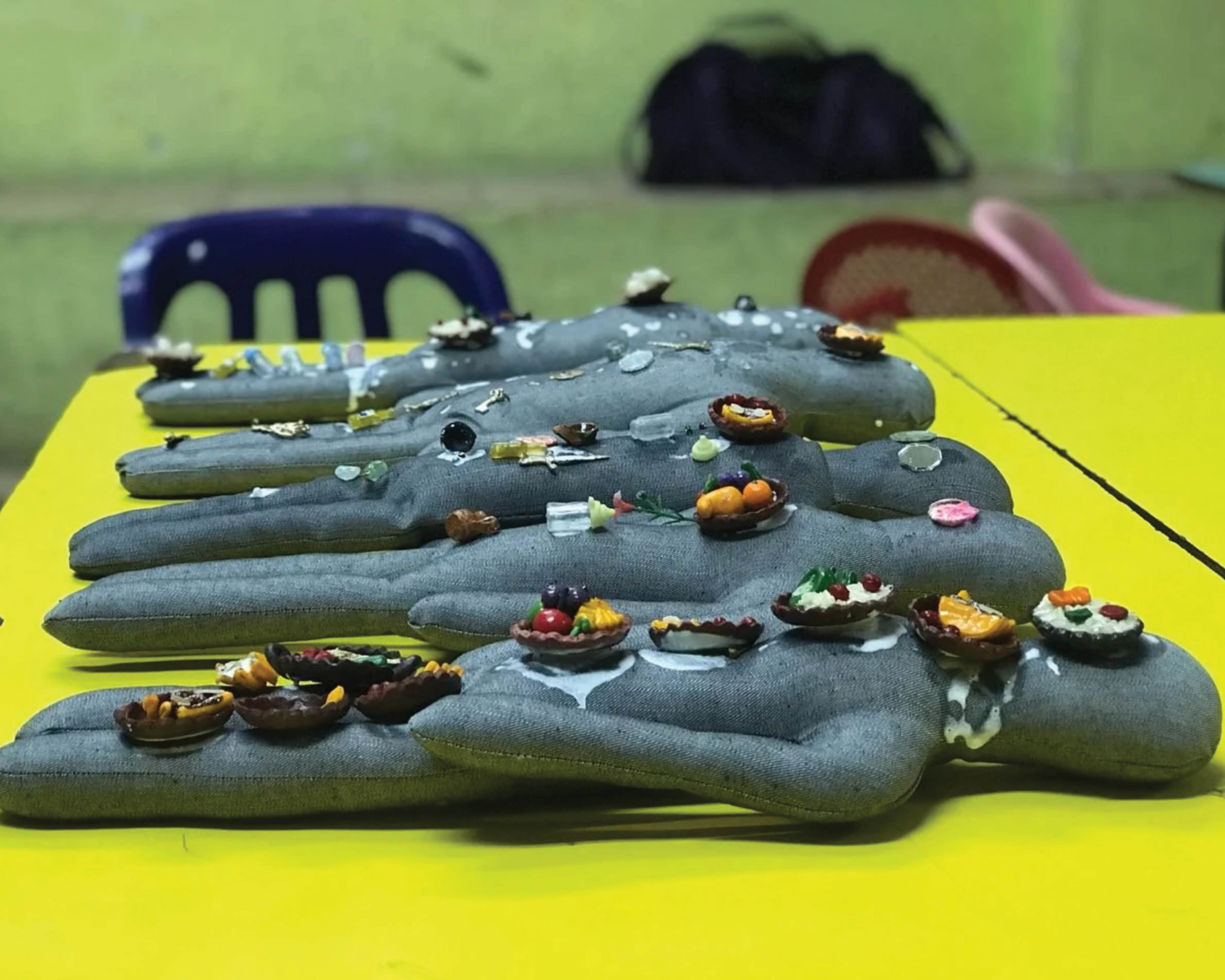
In Pedro Reyes’s workshop, children posed open-ended questions and used dice featuring phrases by artists and philosophers as responses. They built and decorated cloth dolls with collected materials, exploring play, creativity, collaboration, and bodily awareness.
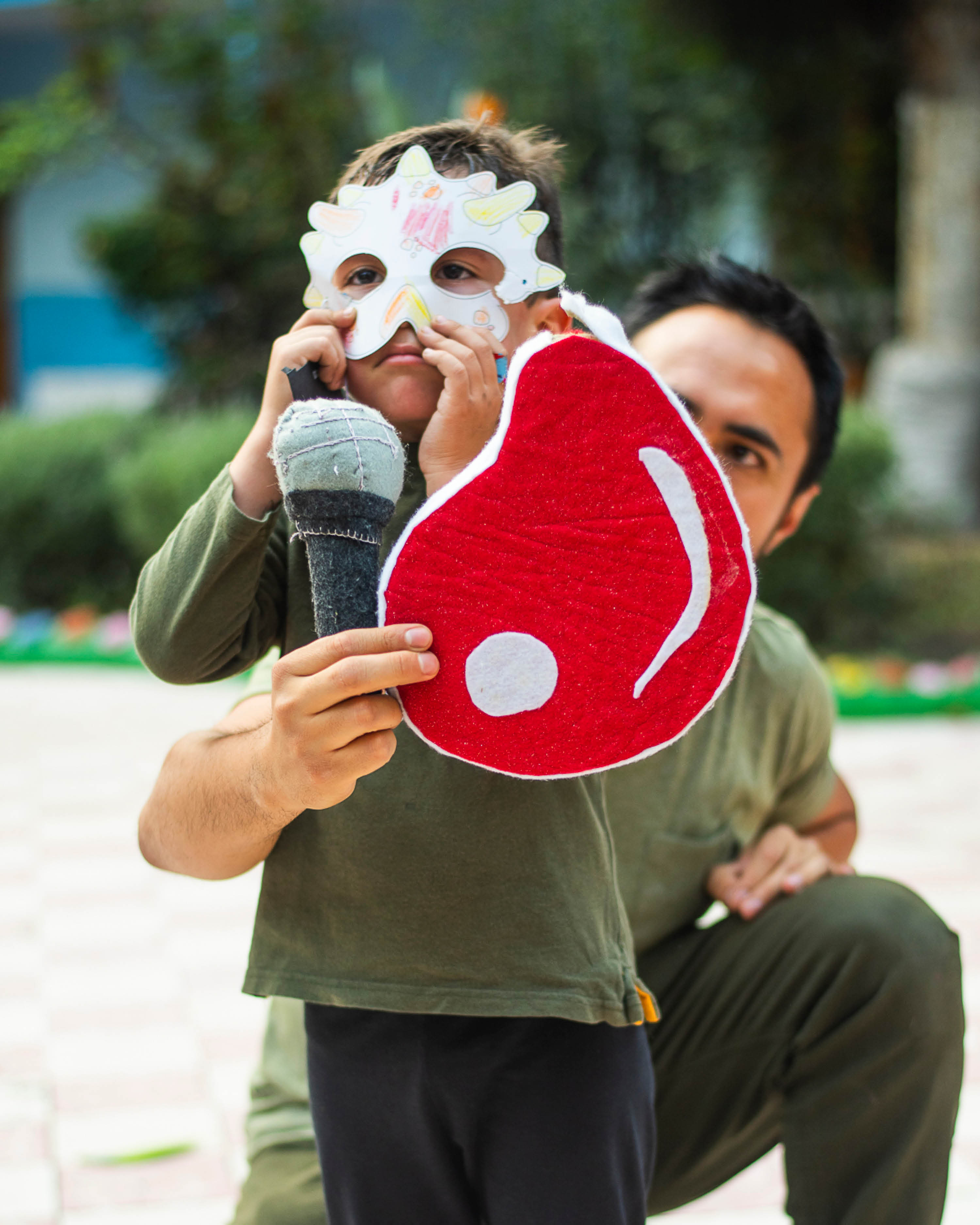
Drawing on various children's stories, the residence organized a range of fun activities aimed at identifying and communicating emotions.

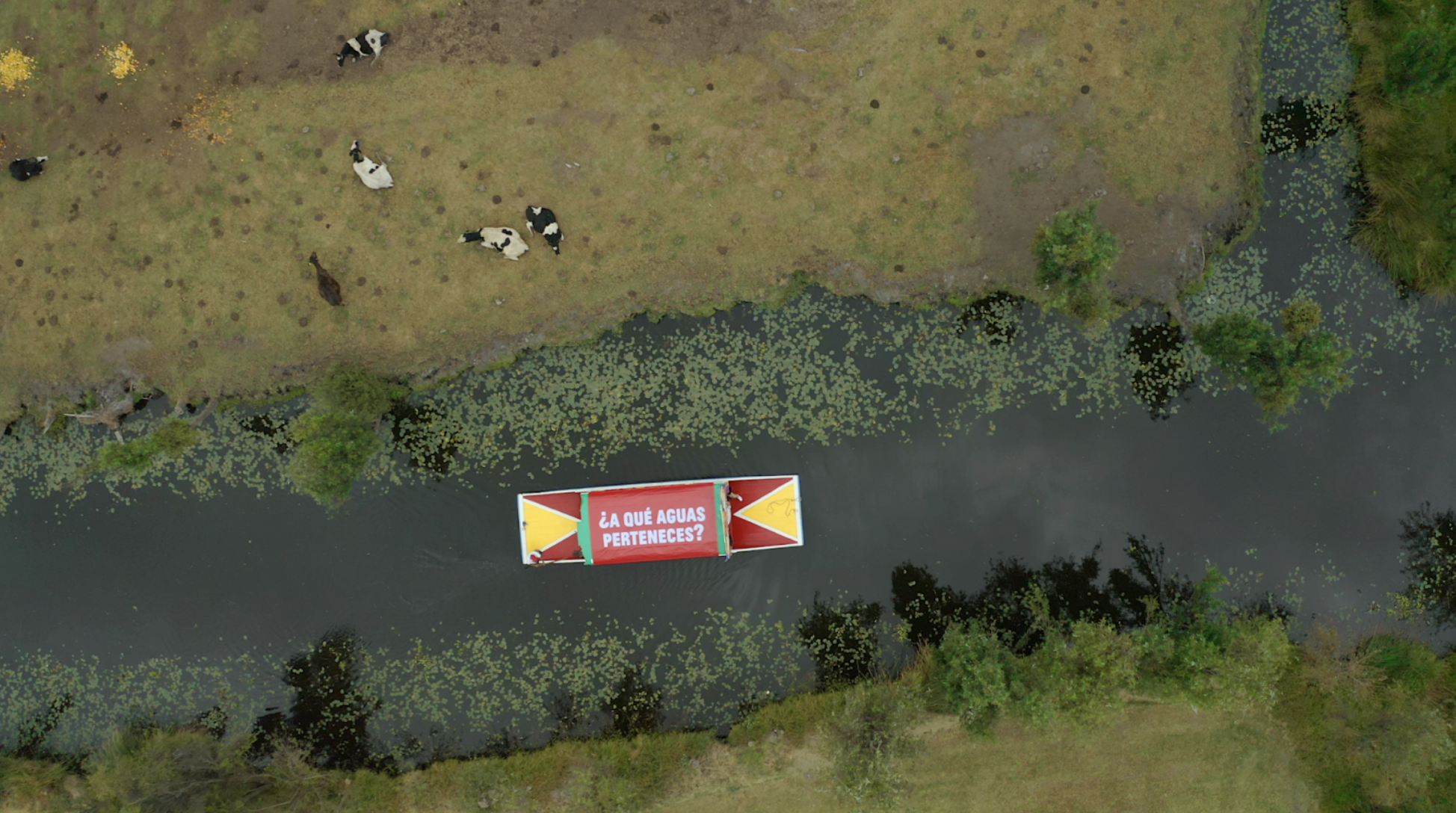
Through this expanded radio program, we navigated diverse sonic imaginaries and reflected on water, approaching its fluid and continuous nature as a vital element that challenges binary notions.
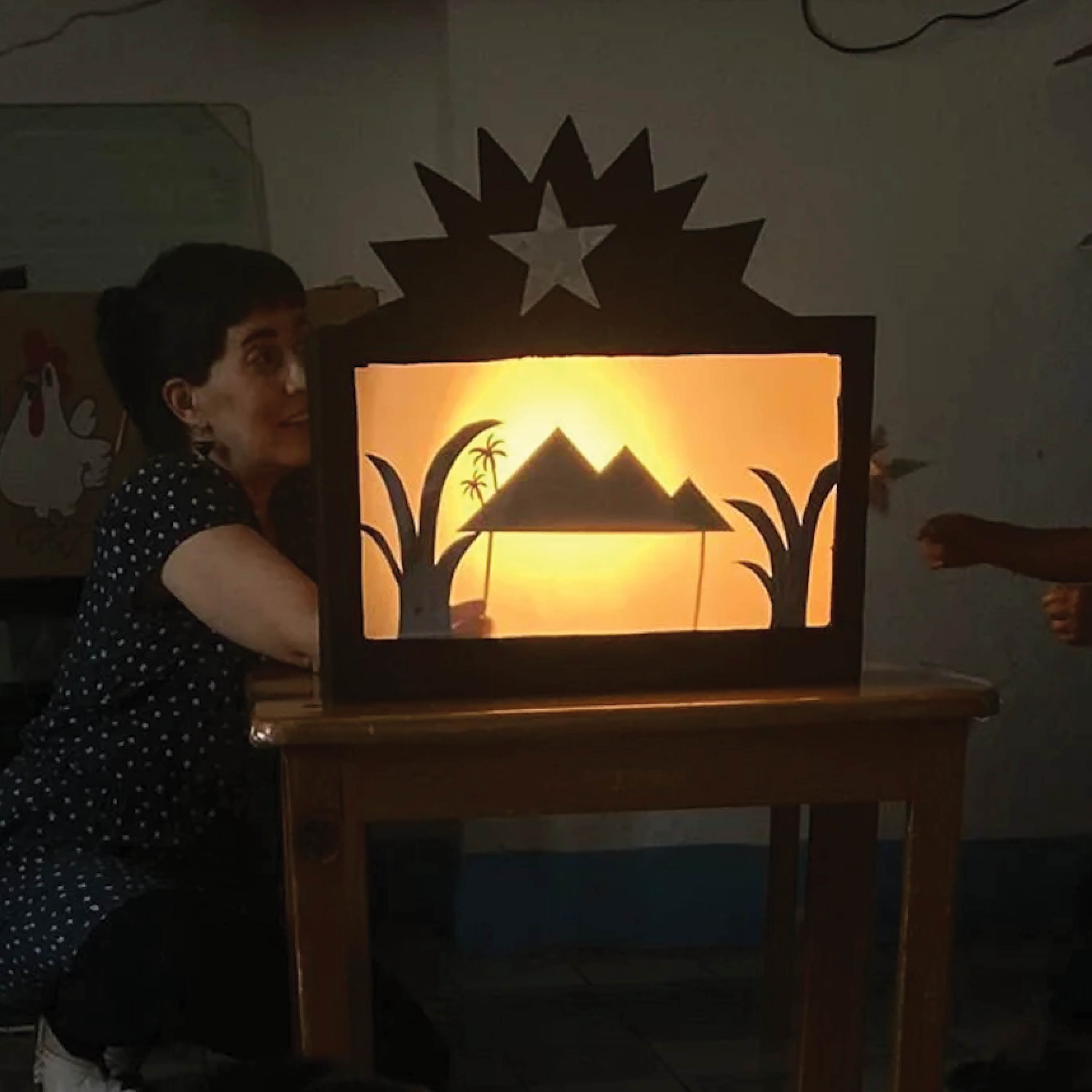
Between May and July 2022, Amelia Correa introduced children to international and Mexican cinema. Narratives and characters were analyzed, and finally, the participants created and screened their own stop-motion film during the residency's final session.
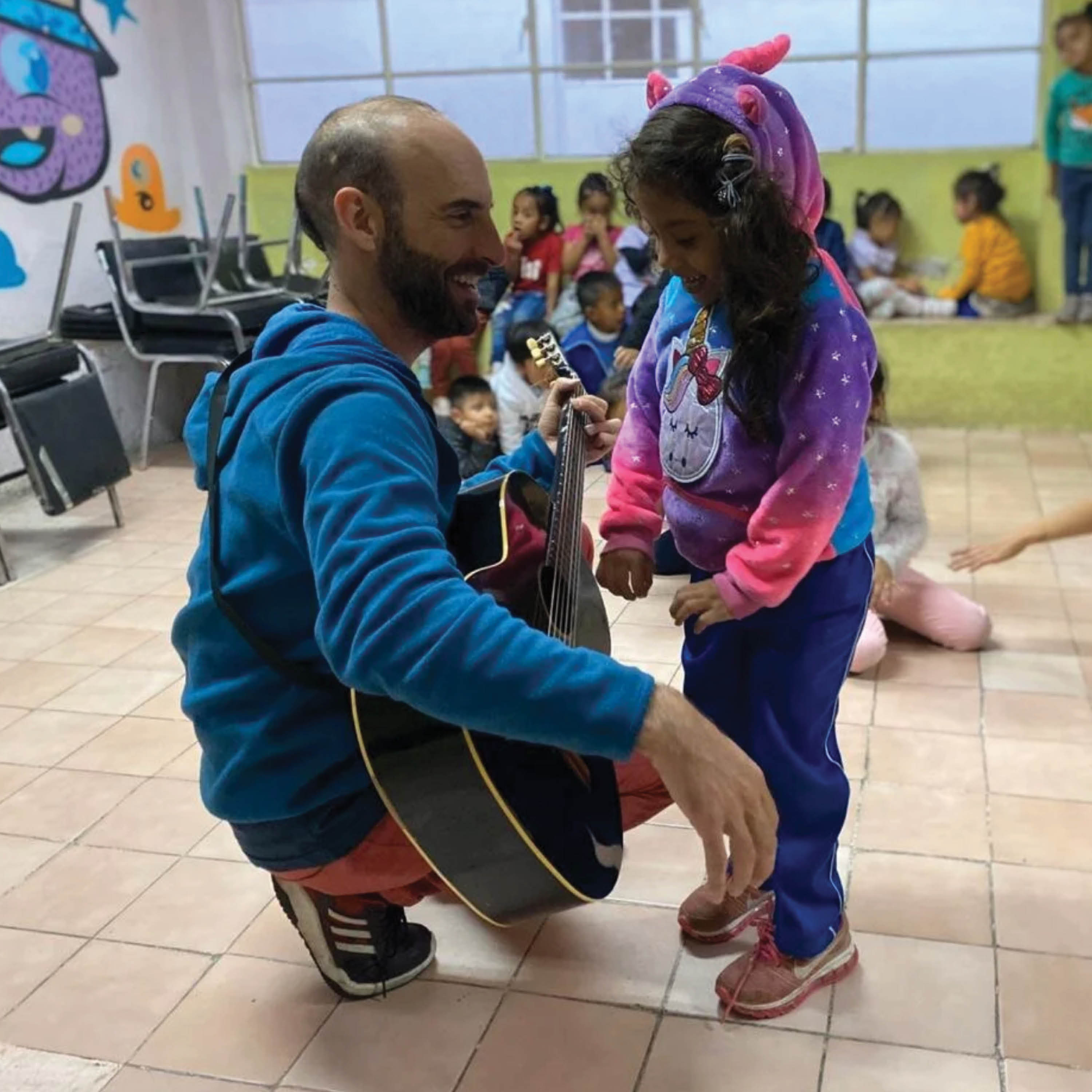
Between January and March 2020, Ricardo Zárraga led a series of workshops with children using music, mirror games, and storytelling to explore emotions and everyday routines. Improvisation played a central role, allowing each session to adapt to the group's interests and attention span while encouraging children to act, create choreographies, and freely repeat actions through play.
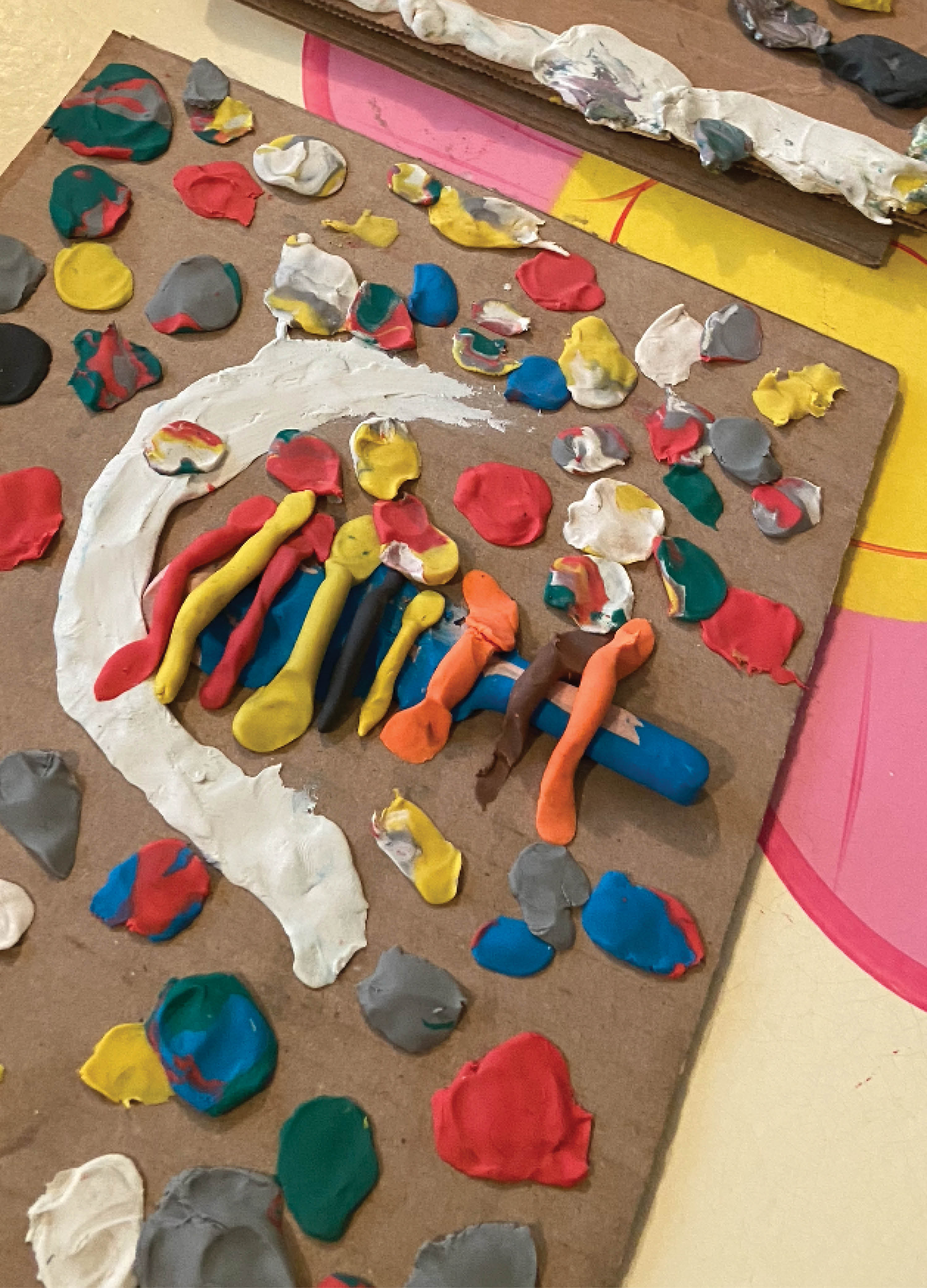
Between March and April 2022, Manuela de Laborde conducted a residency with children, using abstraction as an empathetic tool. Each child worked on a continuous artwork, reflecting on the artistic process, emotion, and material recycling.
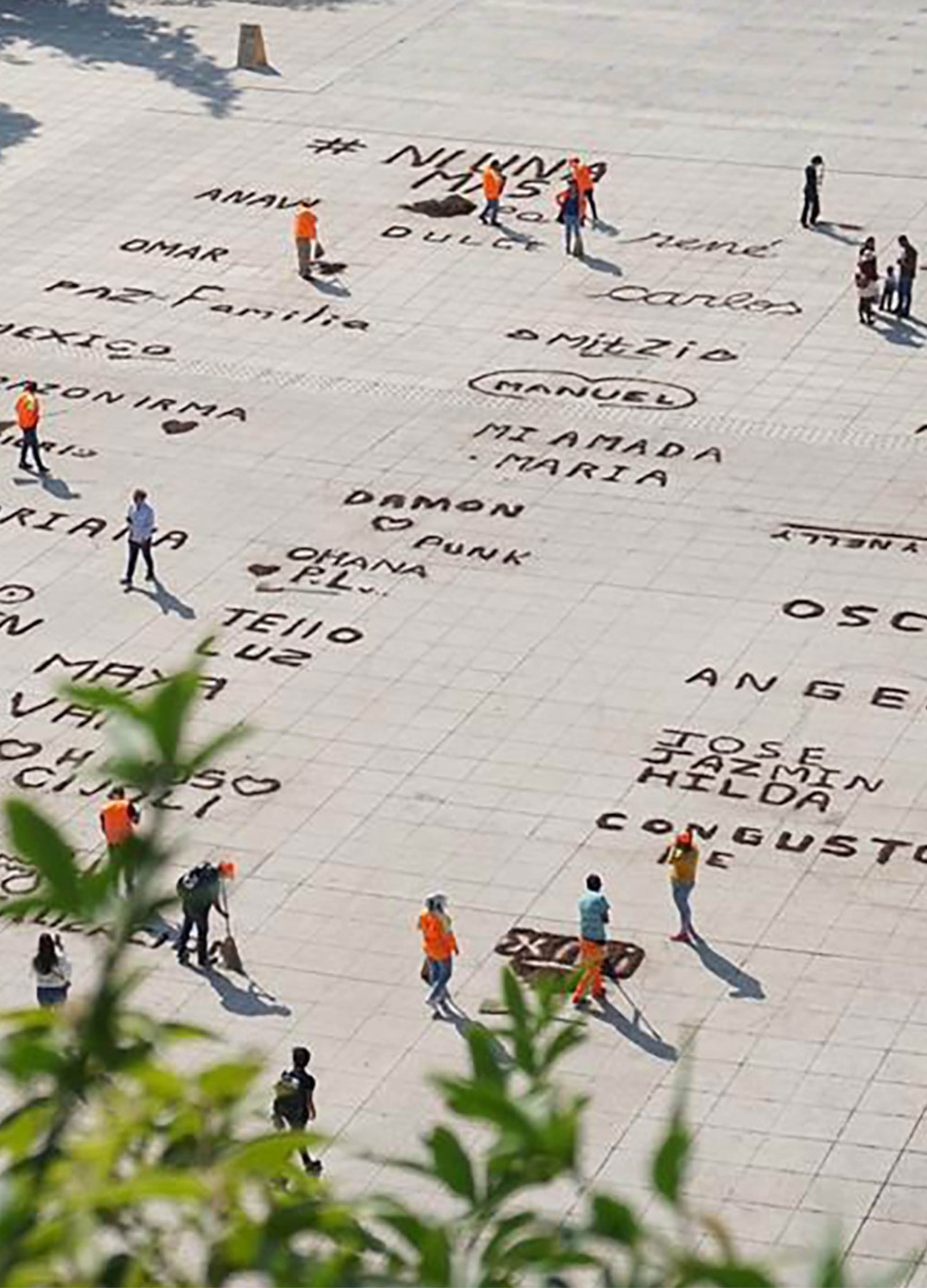
Through a collaborative process with urban sanitation workers from Sector 9 of Mexico City, Verónica Meloni presented “Barro: escritura inestable”, a collective action carried out in the plaza of the Monumento a la Revolución.
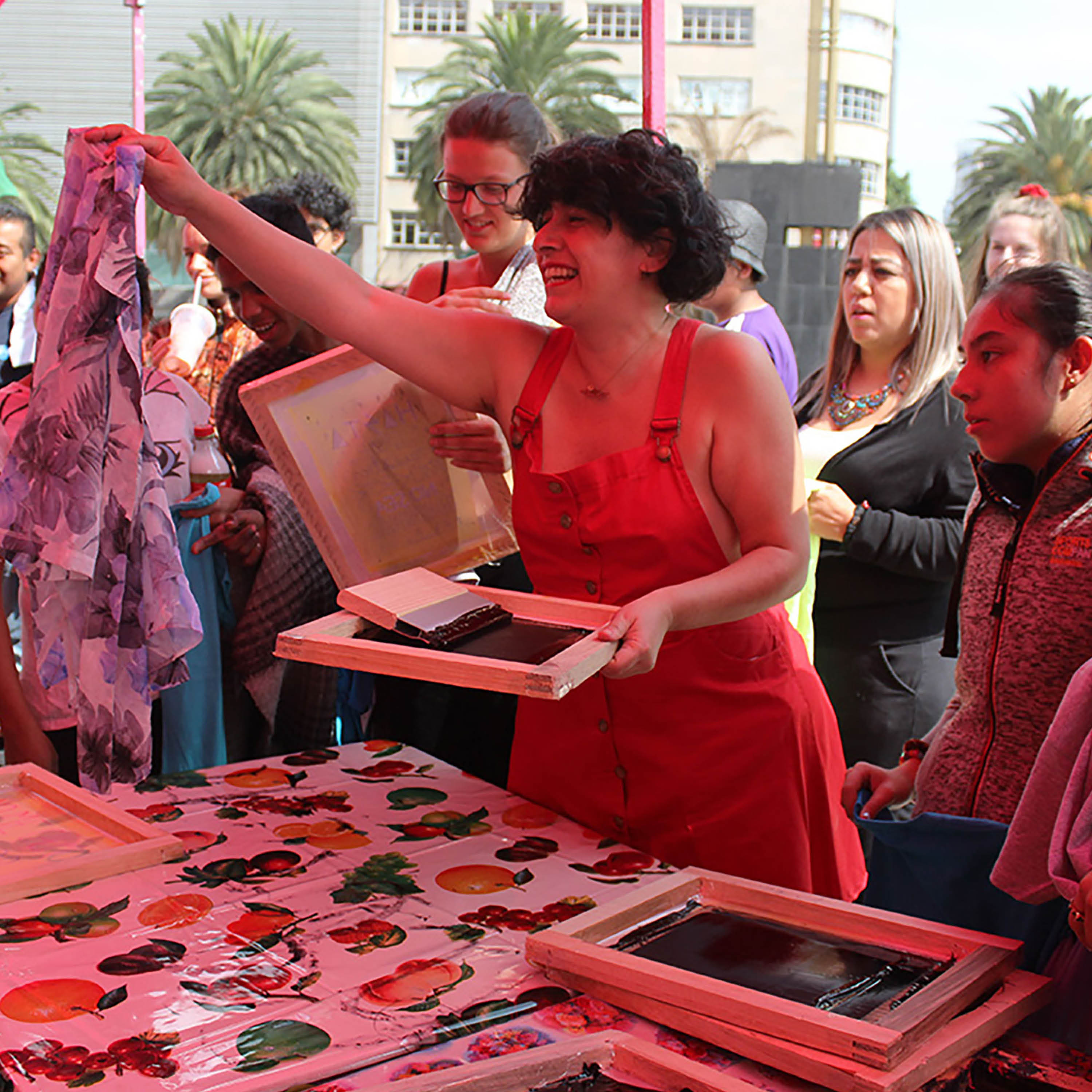
In the transition from the workshop to the tianguis*; from printmakers to tianguistas; a collaboration unfolded between Queer Printmakers (Serigrafistas Queer) and Mariela Scafati at the Monument to the Revolution.
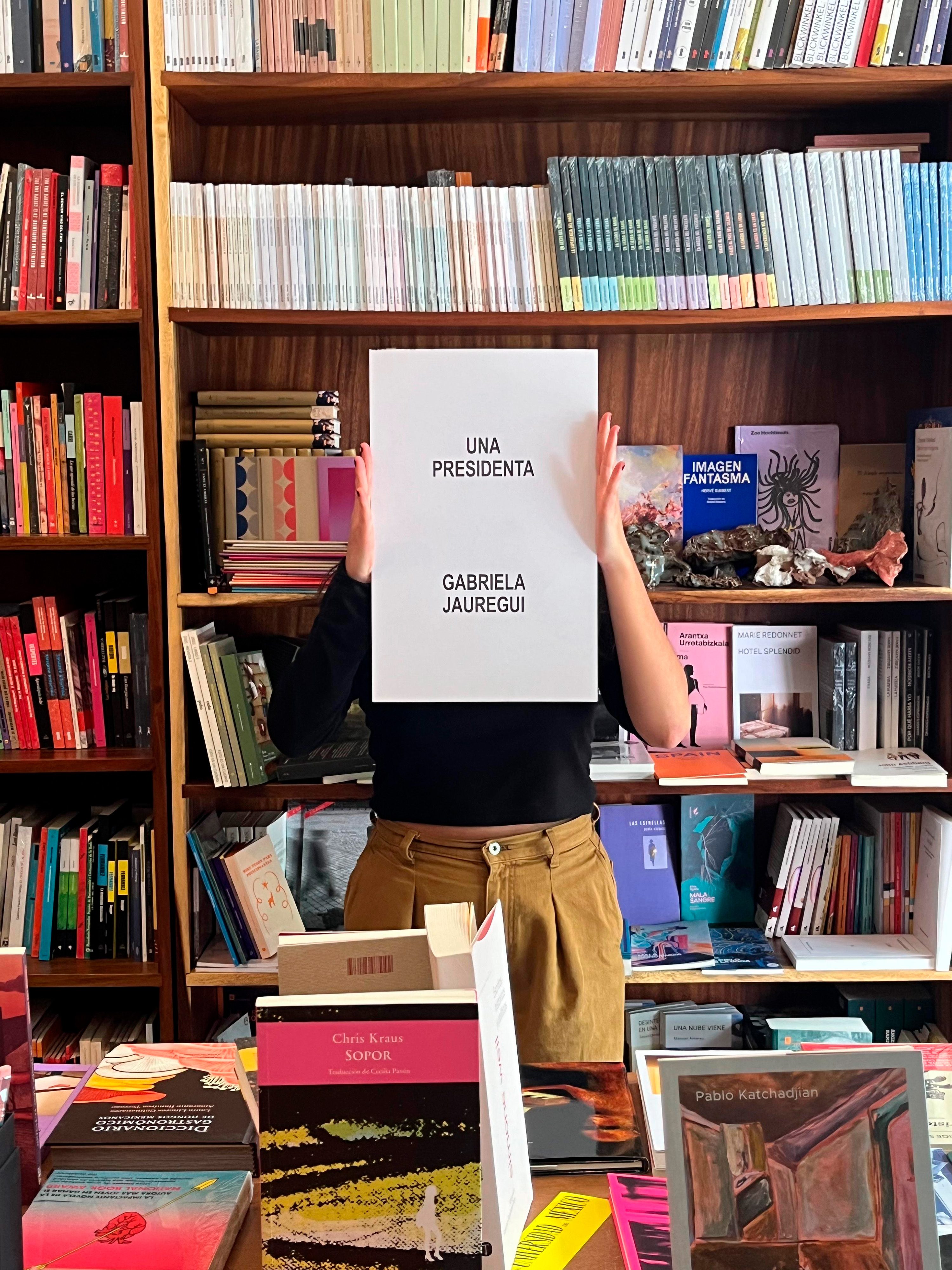
Amidst the presidential elections in Mexico, the second reinterpretation of Zoe Leonard's poem I want a president (1992) was presented, resonating with critical feminisms.

The exhibition in the MUNTREF boardroom proposed an intervention into the traditional exhibition space, simulating an office that moves between the darkness of night and the depths of the waters.
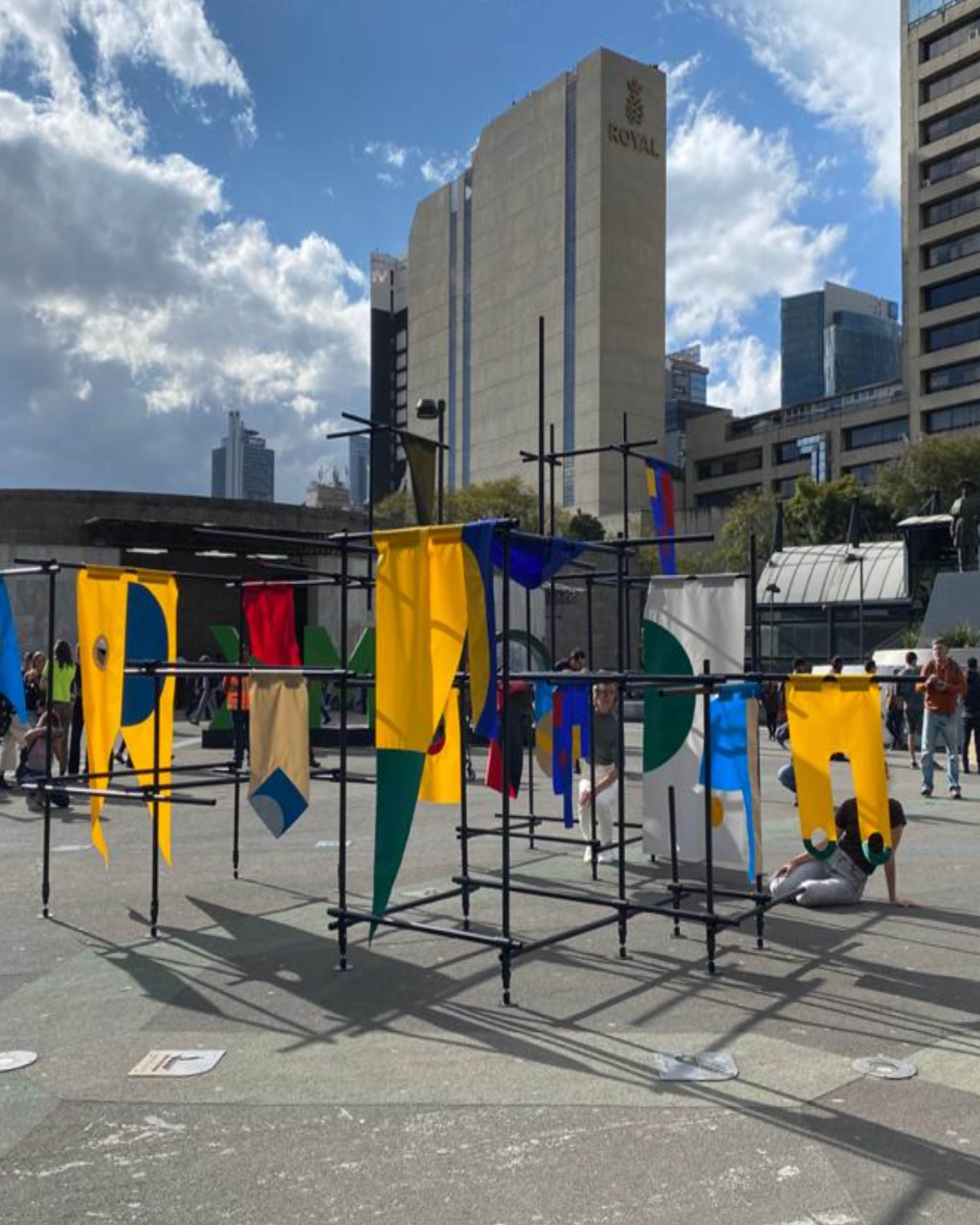
Built around a modular structure, this site-specific work occupied the public space of Glorieta de Insurgentes, offering an almost impossible sense of seclusion that was activated through performances by Anaïs Bouts and Tania Solomonoff.
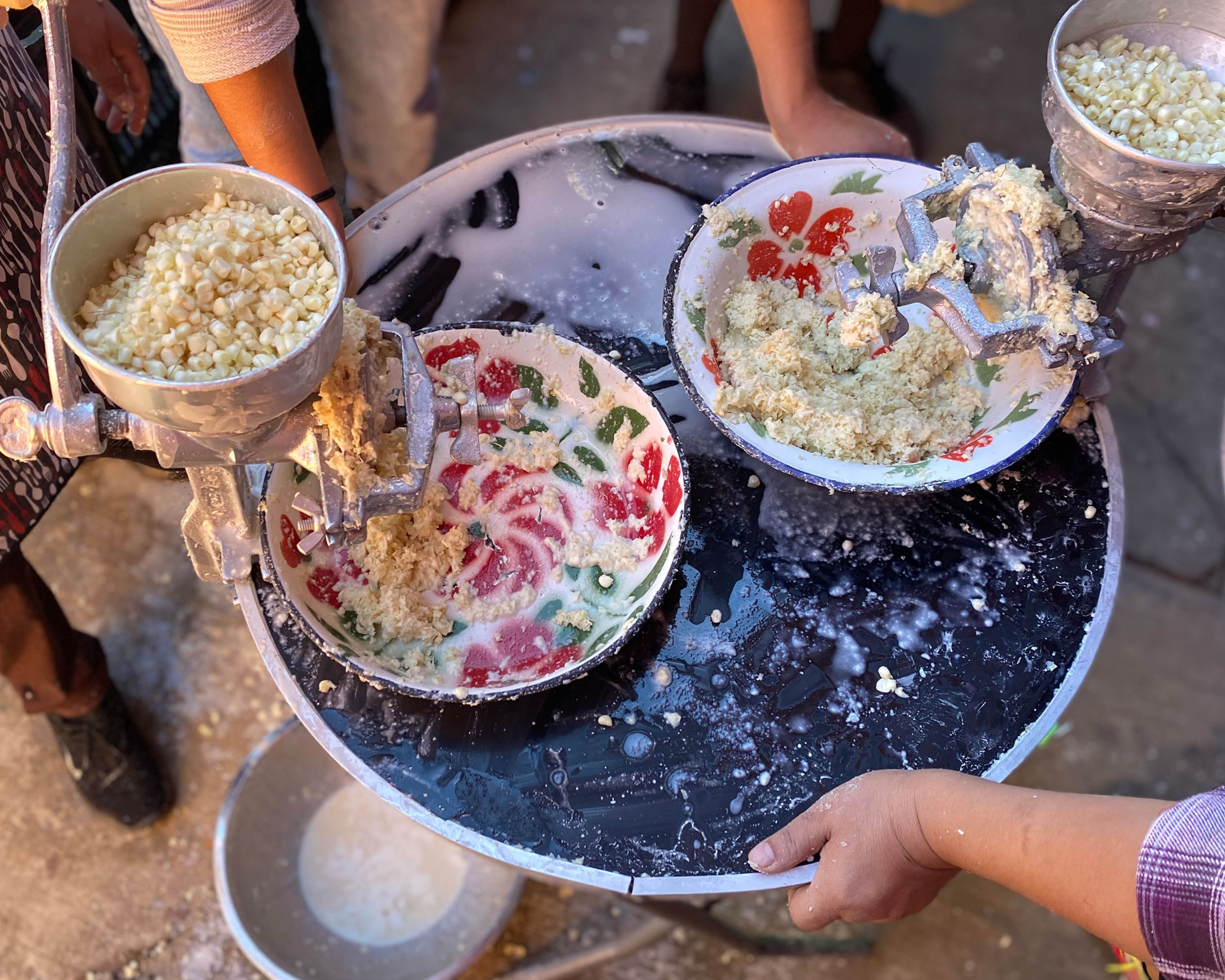
The project Aquí Juntas sought to reframe the narratives of the women temporarily residing at the Espacio Mujeres shelter. A series of workshops was developed around storytelling practices centered on care, food, and work.
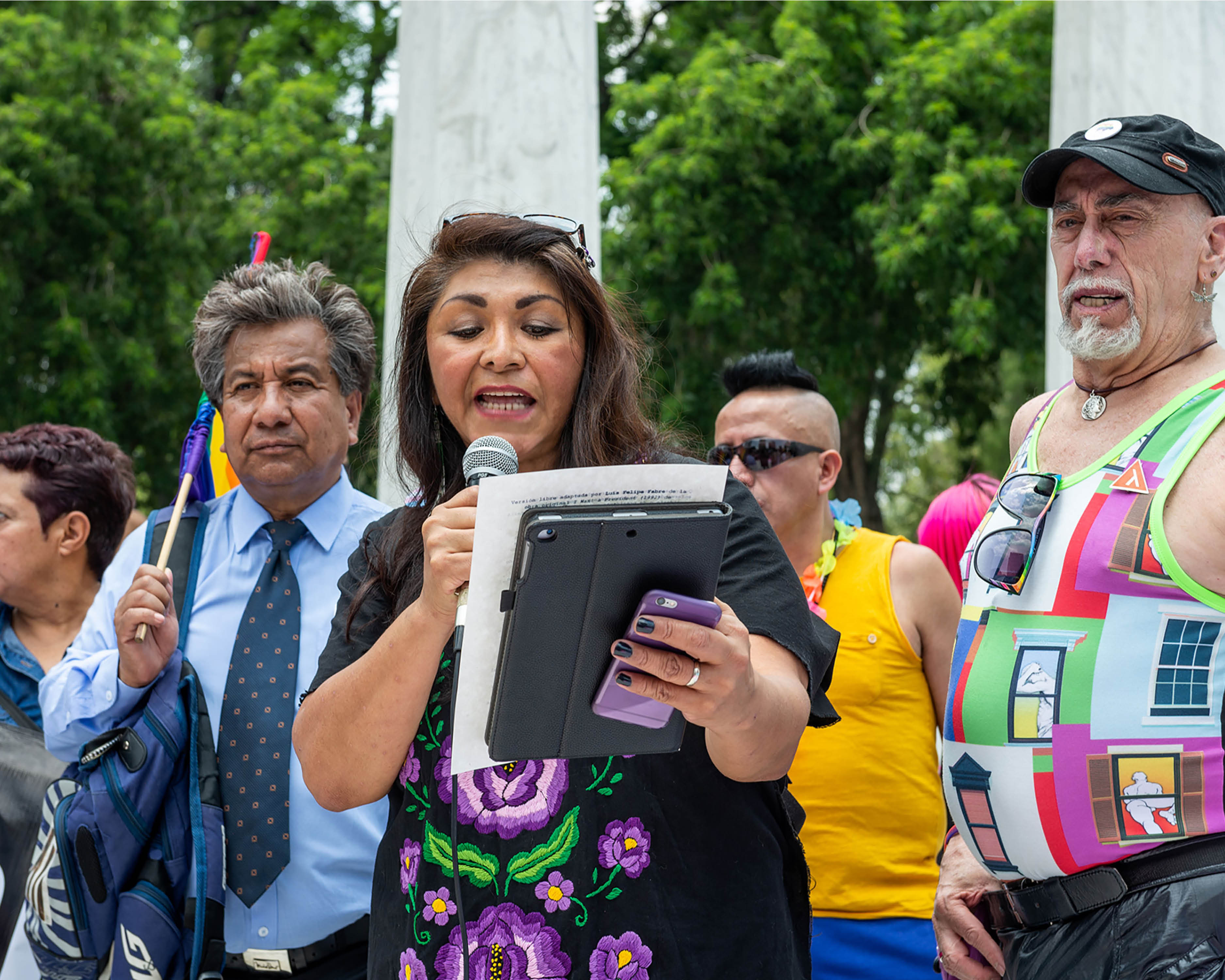
Drawing on Zoe Leonard’s 1992 poem I Want a President, Ruta del Castor presented its first public art project, reflecting on the sociopolitical context surrounding Mexico’s 2018 presidential elections.
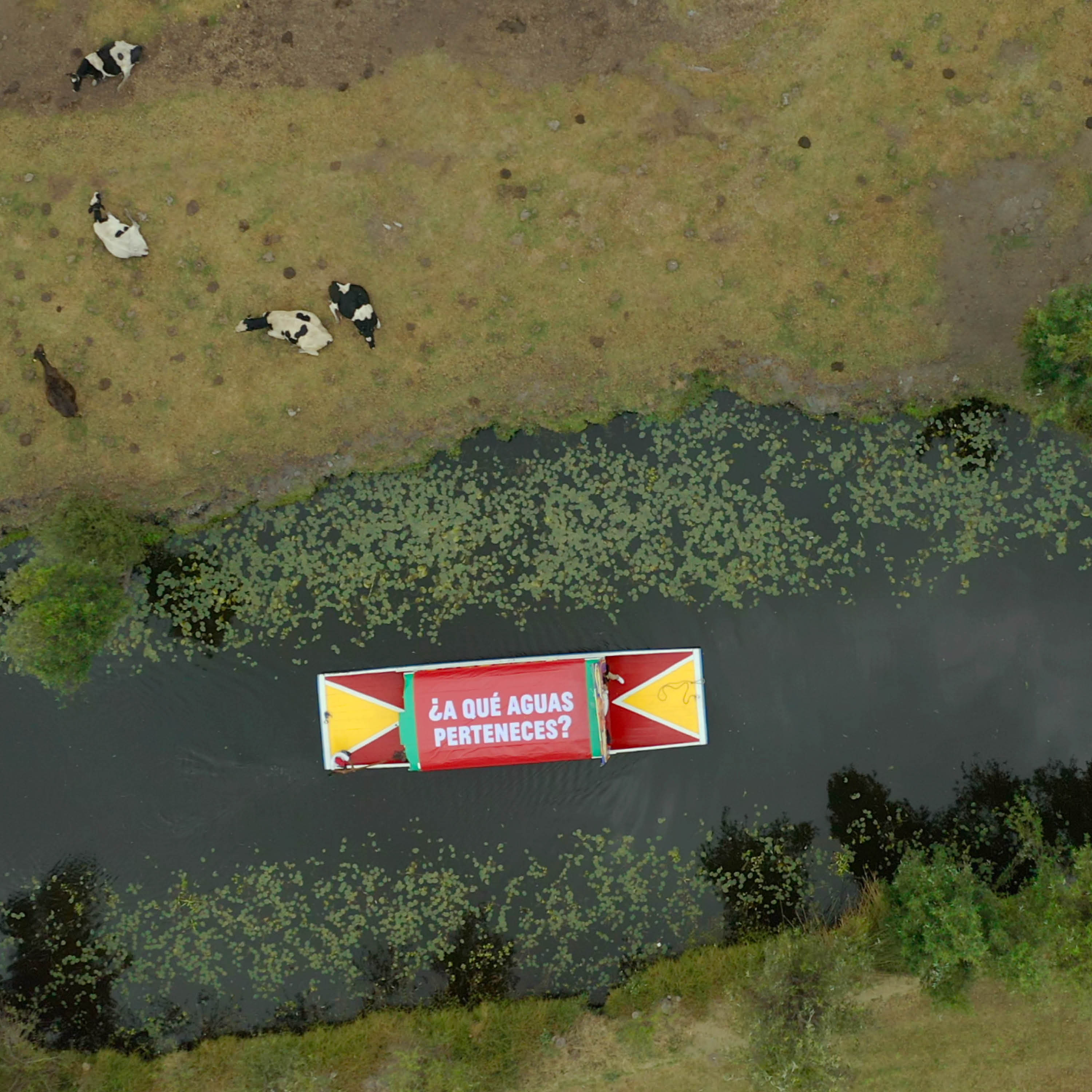
On April 1-5, 2024, we held 'Sembrando humedad' with Carolina Caycedo. The program brought together artists, activists, and students to reflect on water, with activities at Museo Tamayo, El Cárcamo de Dolores, and Radio Nopal.

A public art project that brings together history, community, and contemporary artistic practice to reflect on the Mercado Abelardo L. Rodríguez as a living space of labor, memory, exchange, and everyday life.
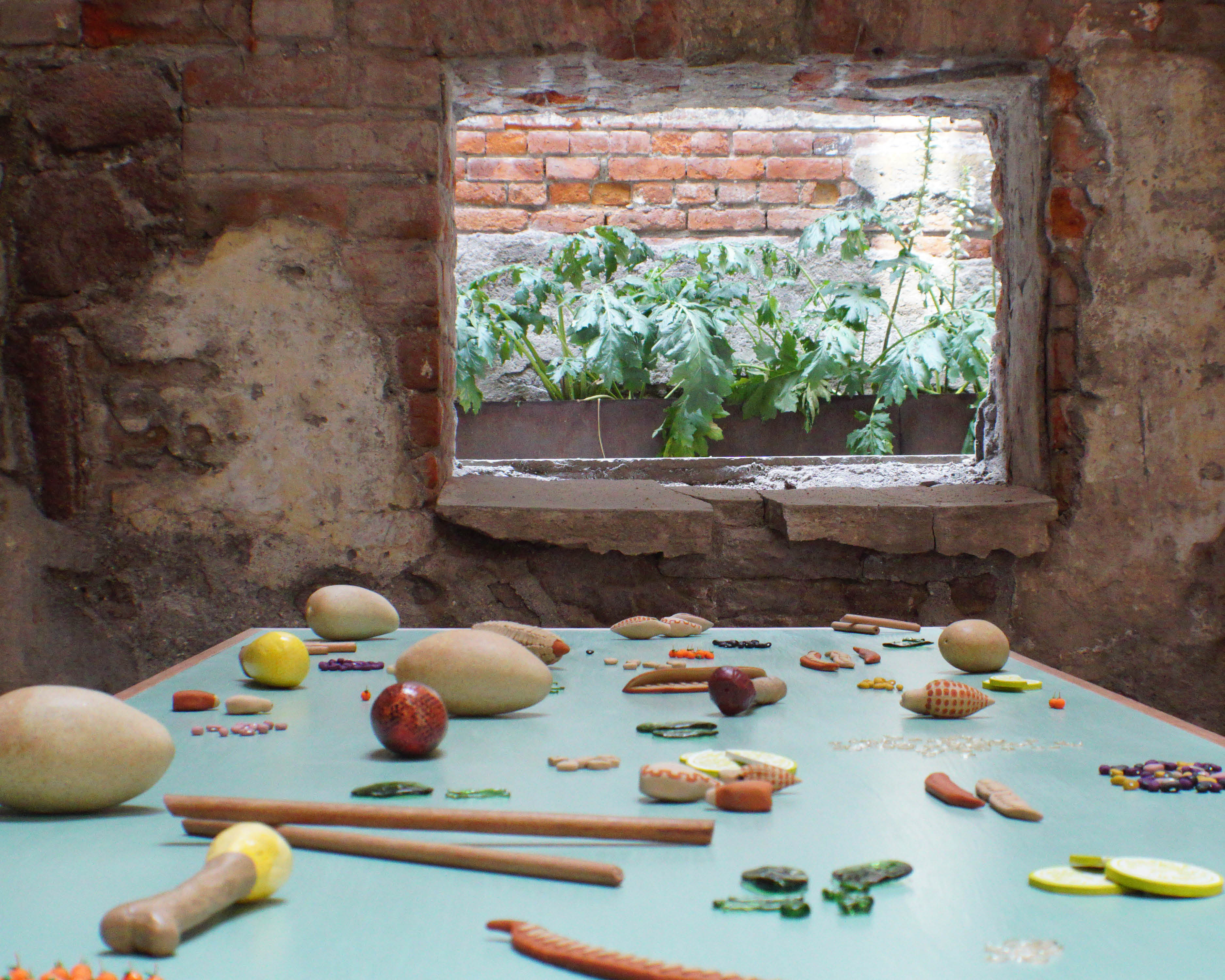
This project brought together stories, hands, and voices to delve into the social, emotional, and (dysfunctional) aspects encapsulated in food.
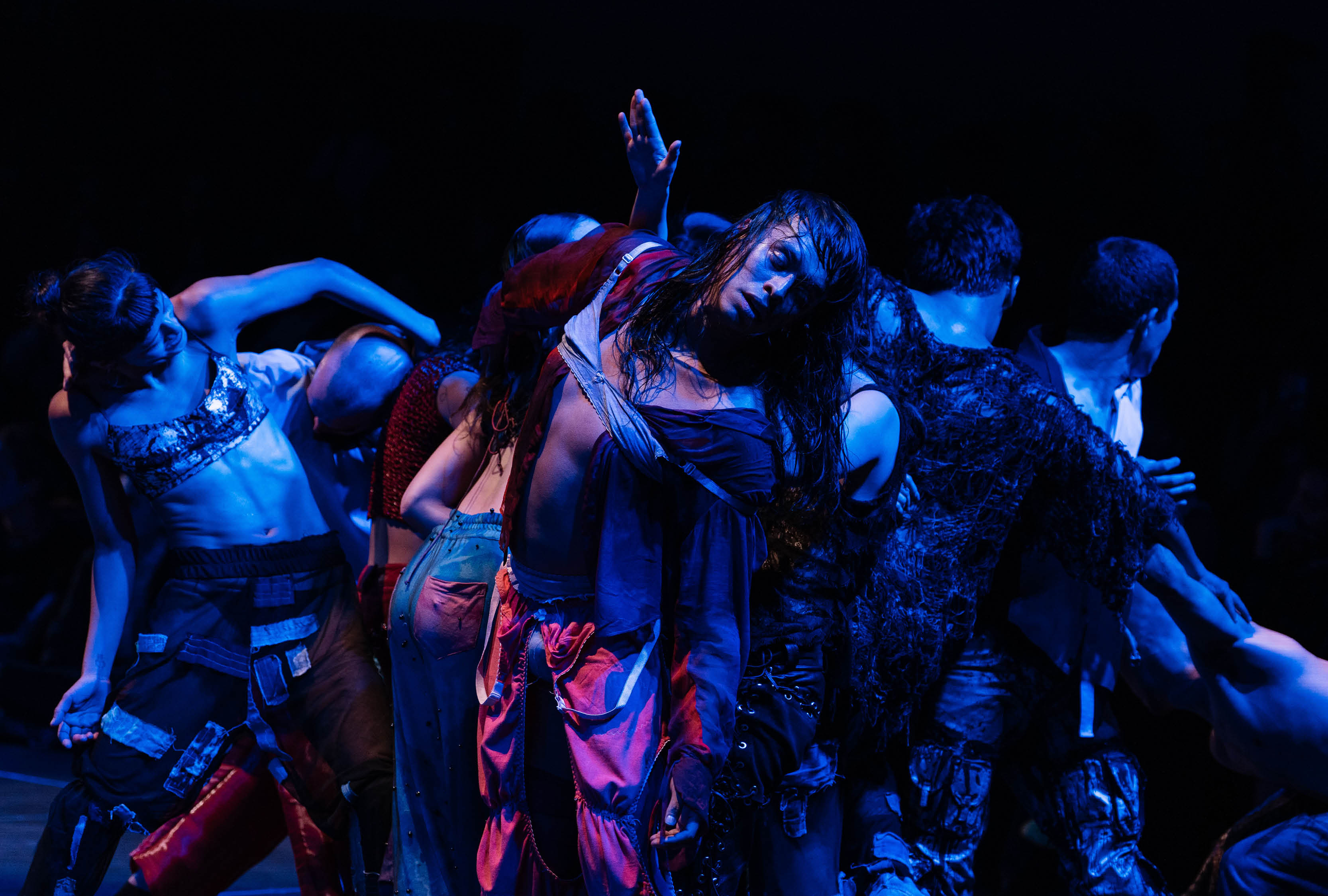
Ruta del Castor presented SOLAZ, a performance by Spanish choreographer Antonio Ruz at the Jardín Escénico de Chapultepec. Through play, movement, and direct interaction with the audience, the piece created a collective experience in public space, where participants gradually became part of the work itself.
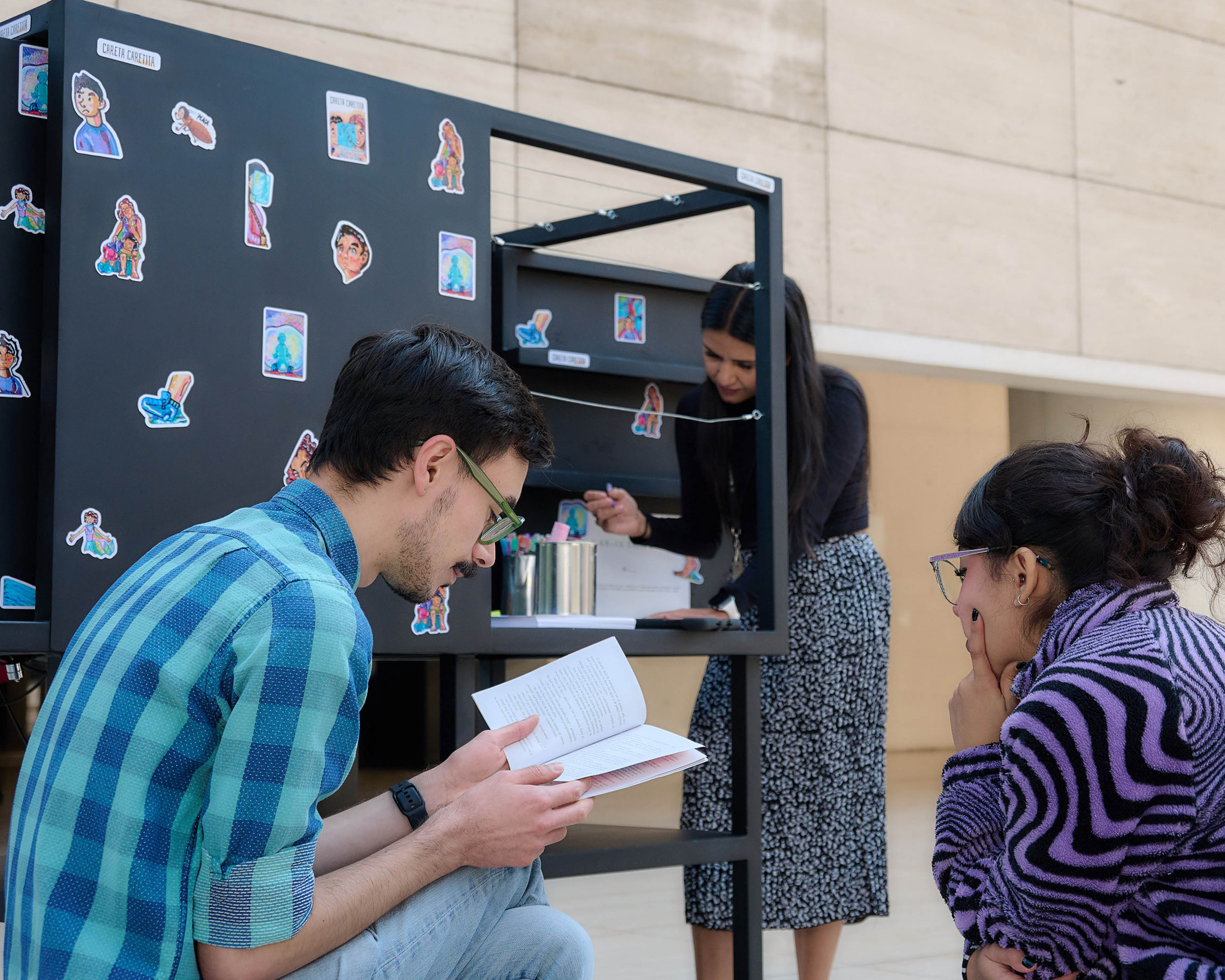
The story of a trans boy who finds his sea fairy during the pandemic lockdown aimed to spread narratives of gender diversity among children and young people.
Lorem ipsum dolor sit amet, consectetur adipiscing elit. Suspendisse varius enim in eros elementum tristique. Duis cursus, mi quis viverra ornare, eros dolor interdum nulla, ut commodo diam libero vitae erat. Aenean faucibus nibh et justo cursus id rutrum lorem imperdiet. Nunc ut sem vitae risus tristique posuere.