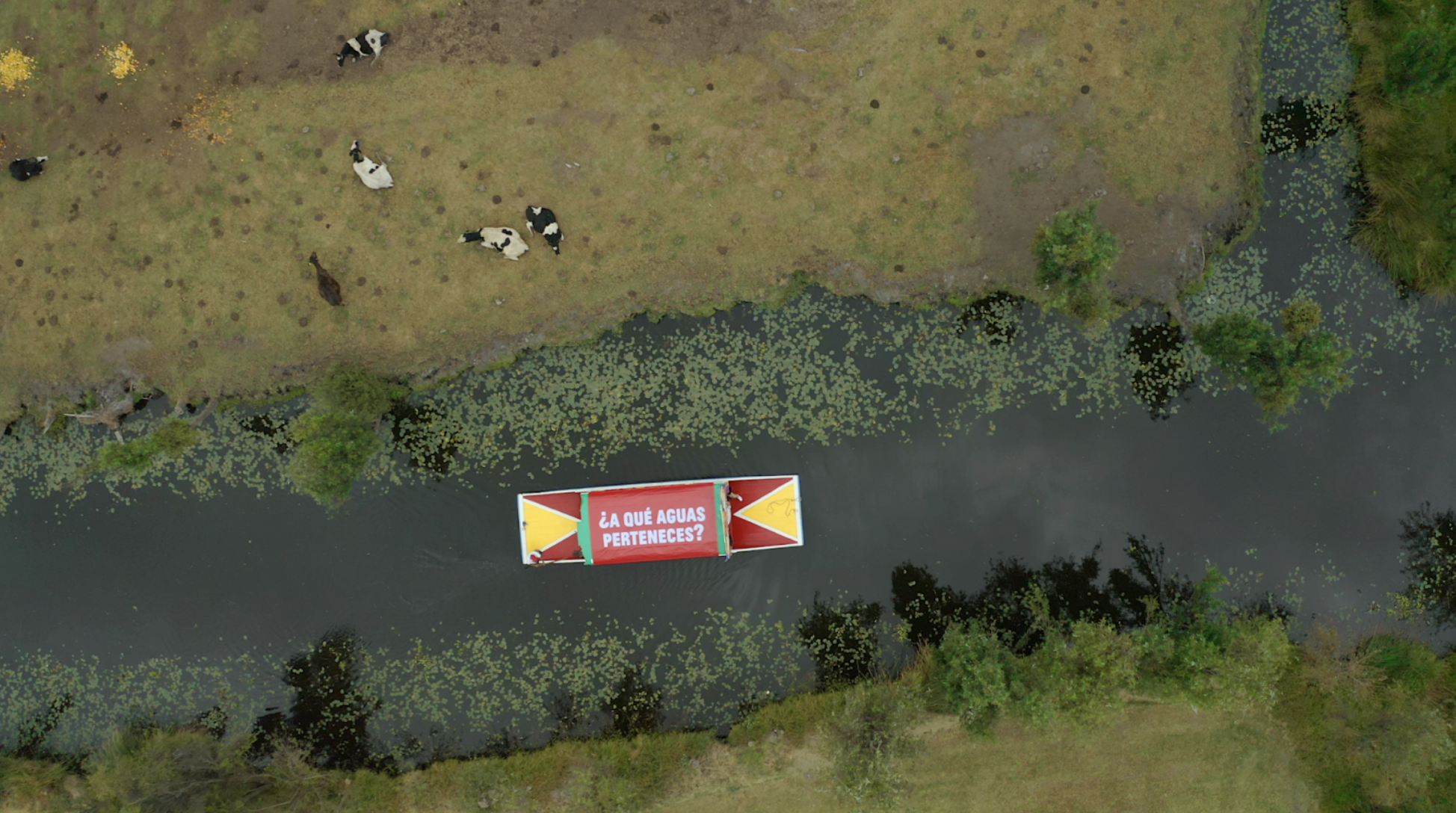
A public art project that brings together history, community, and contemporary artistic practice to reflect on the Mercado Abelardo L. Rodríguez as a living space of labor, memory, exchange, and everyday life.
After two years of research and community-based work, Ruta del Castor will present a curatorial program at the Mercado Abelardo L. Rodríguez in Mexico City’s Historic Center at the end of 2026. The presentation will bring together artistic interventions, community gatherings, performative walks, public conversations, and a new public artwork by Colombian artist Carlos Alfonso, opening a reflection on the role of art in everyday life and on the ways in which heritage can be activated through its communities.
The Mercado Abelardo L. Rodríguez holds a singular place in the history of public art in Mexico. Conceived in the 1930s as a space that brought together social, economic, educational, and cultural life, the market was imagined not only as a site of commercial exchange, but as a modern project for urban coexistence. Its walls became the site of a mural program developed under the direction of Diego Rivera, with works by artists including Pablo O’Higgins, Marion and Grace Greenwood, Isamu Noguchi, Ramón Alva Guadarrama, Ángel Bracho, Raúl Gamboa, Antonio Pujol, Pedro Rendón, and Miguel Tzab Trejo.
From the beginning, these murals articulated a direct relationship between art, pedagogy, labor, and social movements. Their images did not merely accompany the everyday life of the market; they also offered a critical reading of the labor, economic, and political conditions of their time. Today, however, both the market and its mural program face significant deterioration, institutional neglect, and internal tensions that have limited their visibility, care, and public recognition.
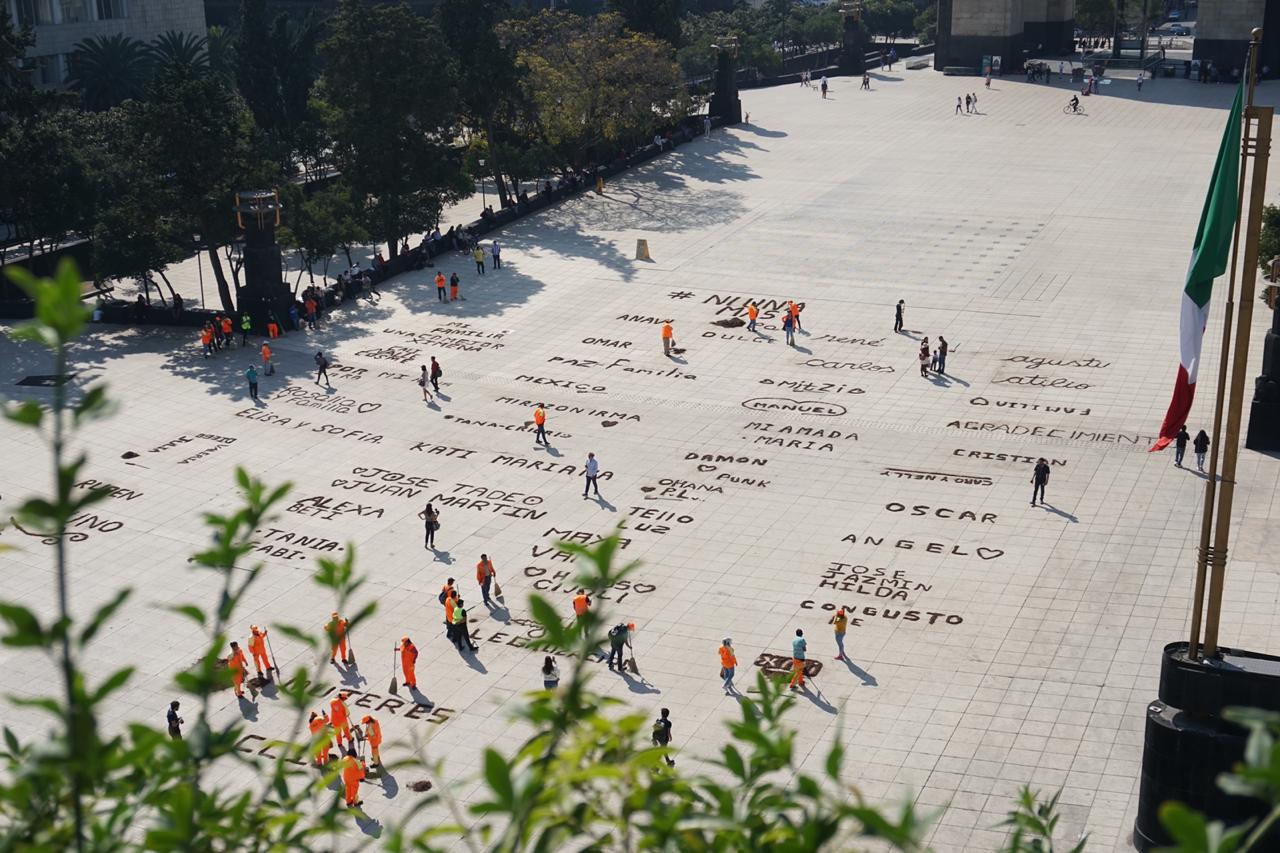
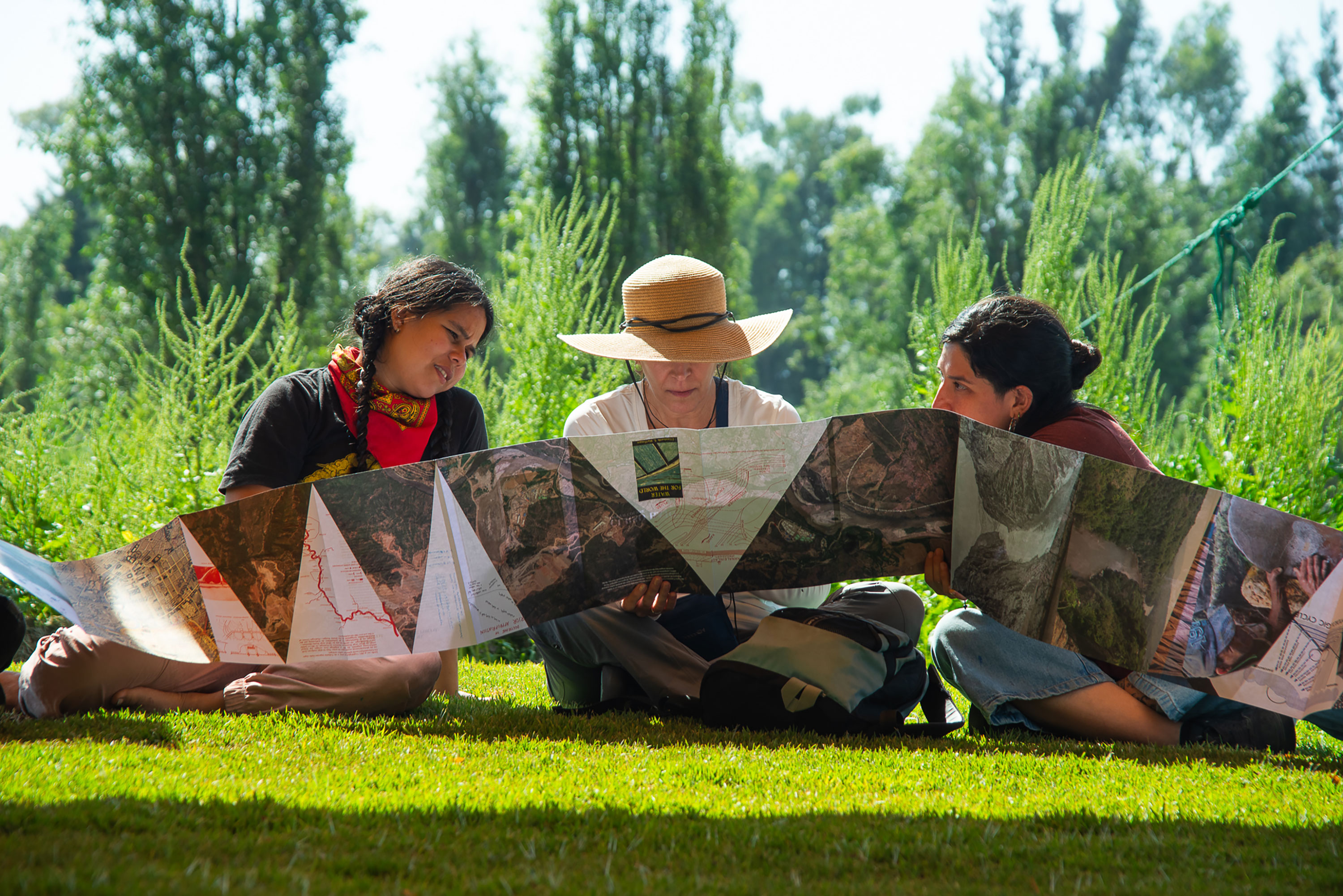
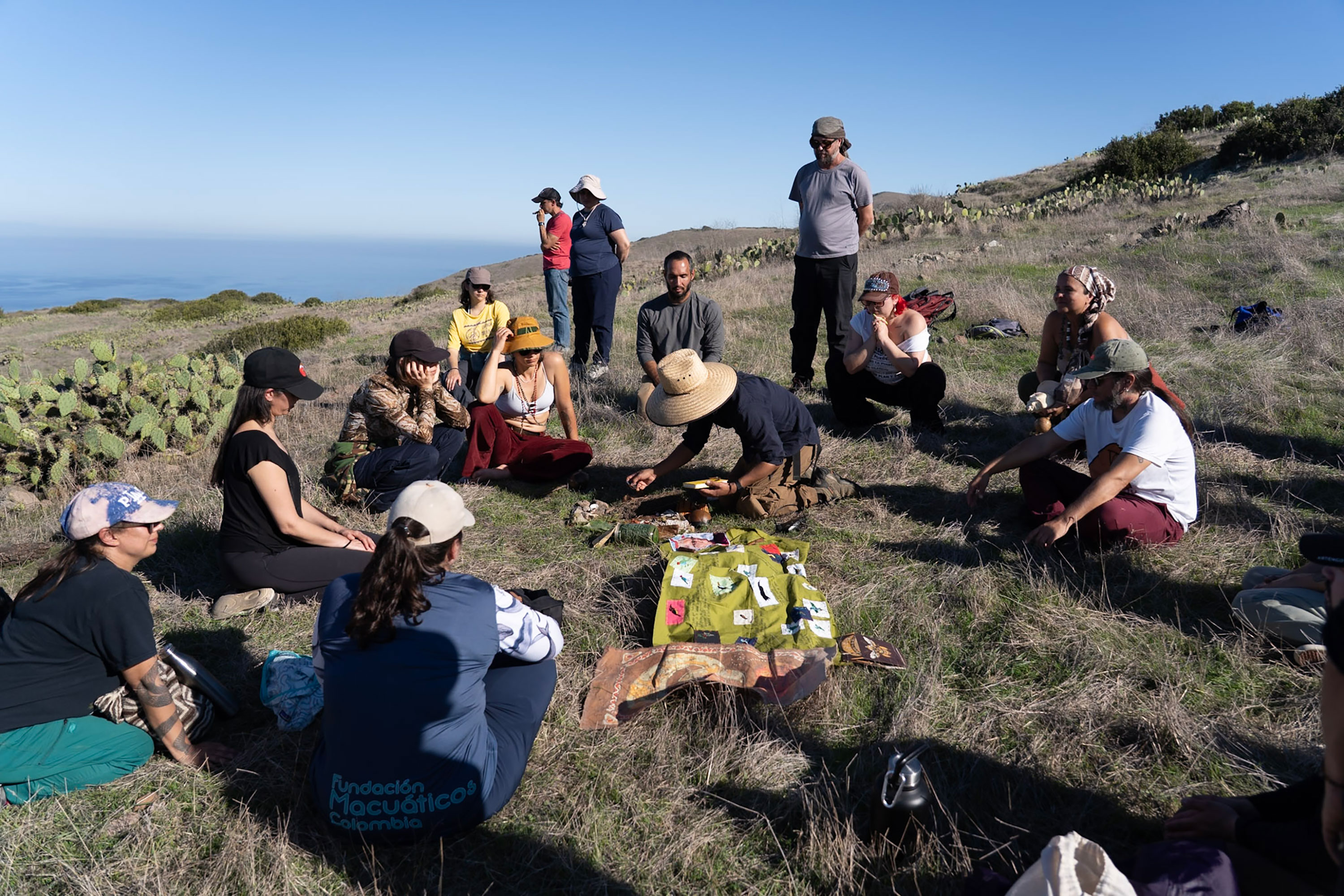
In response to this context, Ruta del Castor seeks to activate a situated conversation around the present of the market and the possibilities of public art within its current ecosystem. Through a methodology of community mediation, the process brings together artists, historians, market vendors, neighbors, market workers, and new audiences to imagine how art can function as a tool for encounter, listening, and collective construction.
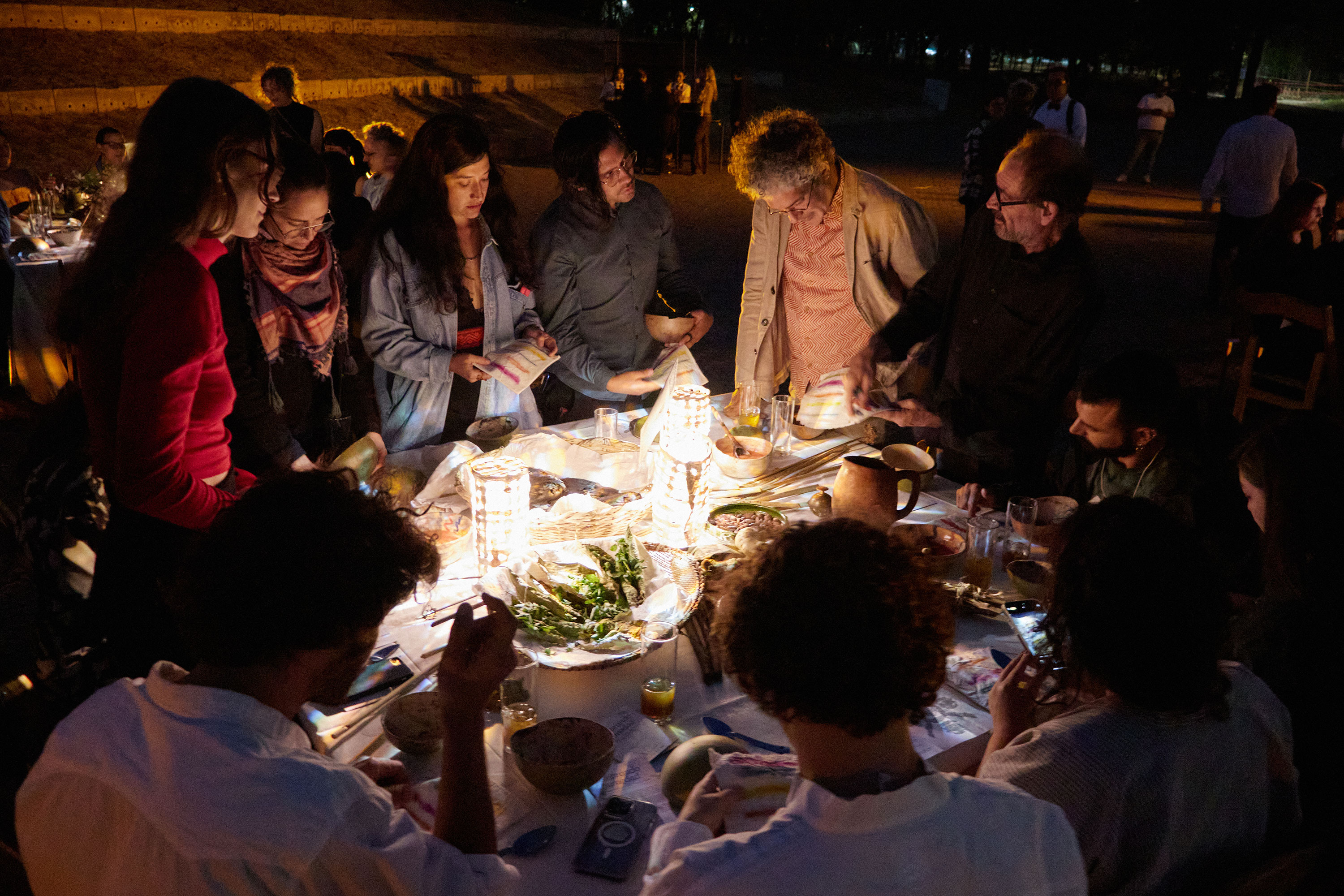
Carlos Alfonso’s participation opens a line of work in dialogue with the market as a space of food, exchange, memory, and hospitality. His practice, shaped by cooking, writing, oral tradition, sculpture, and collaborative processes, allows the market to be understood as a sensitive territory where everyday knowledge, community bonds, and popular economies also produce meaning.
From this perspective, the intervention seeks not only to engage with the mural history of the Mercado Abelardo L. Rodríguez, but also with its living communities, current conflicts, and future possibilities. The initiative proposes a renewed reading of the market as a space where art is not separate from daily life, but deeply connected to those who work, inhabit, care for, and sustain the city.
.jpg)

Lem ipsum dolor sit amet, consectetur adipiscing elit, sed do eiusmod tempor incididunt ut labore et dolore magna aliqua. Ut enim ad minim veniam, quis nostrud exercitation ullamco laboris nisi ut aliquip ex ea commodo consequat. Duis aute irure dolor in reprehenderit in voluptate velit esse cillum dolore eu fugiat nulla pariatur.
Lorem ipsum dolor sit amet, consectetur adipiscing elit. Suspendisse varius enim in eros elementum tristique. Duis cursus, mi quis viverra ornare, eros dolor interdum nulla, ut commodo diam libero vitae erat. Aenean faucibus nibh et justo cursus id rutrum lorem imperdiet. Nunc ut sem vitae risus tristique posuere.
Durante la residencia predominaron los objetivos de PROTAGONISMO e IMAGINACIÓN tanto en las intenciones de les artistas como en el impacto observado en los digestivos realizados con el equipo de mediación. La repetición de materiales potenció el sentido de pertenencia e involucramiento de las infancias con el proceso creativo.
Tomando como eje principal los procesos de creación narrativa de las infancias, la residencia de Rufus Shakespeare + Andrés Sánchez exploró diversas técnicas y materiales para el desarrollo de piezas audiovisuales en las que les participantes fueran creadores y protagonistas.
Empleando diversas herramientas tanto análogas como digitales, Rufus y Andrés buscaron potenciar las capacidades expresivas de cada integrante del grupo para compartir su voz individual. Desde el registro sonoro, pasando por el stop motion hasta el uso de pantalla verde, las piezas finales presentan un vistazo a universos lúdicos llenos de textura y movimiento.
La residencia concluyó con una muestra grupal de todas las piezas audiovisuales a manera de premiere con una alfombra roja, paparazzis, palomitas y un picnic de celebración.
Aportaciones importantes
“Esta residencia nos ayudó a consolidar una forma de estructurar proyectos que construyen poco a poco. También aprendimos a trabajar con el caos”
— Rufus Shakespeare

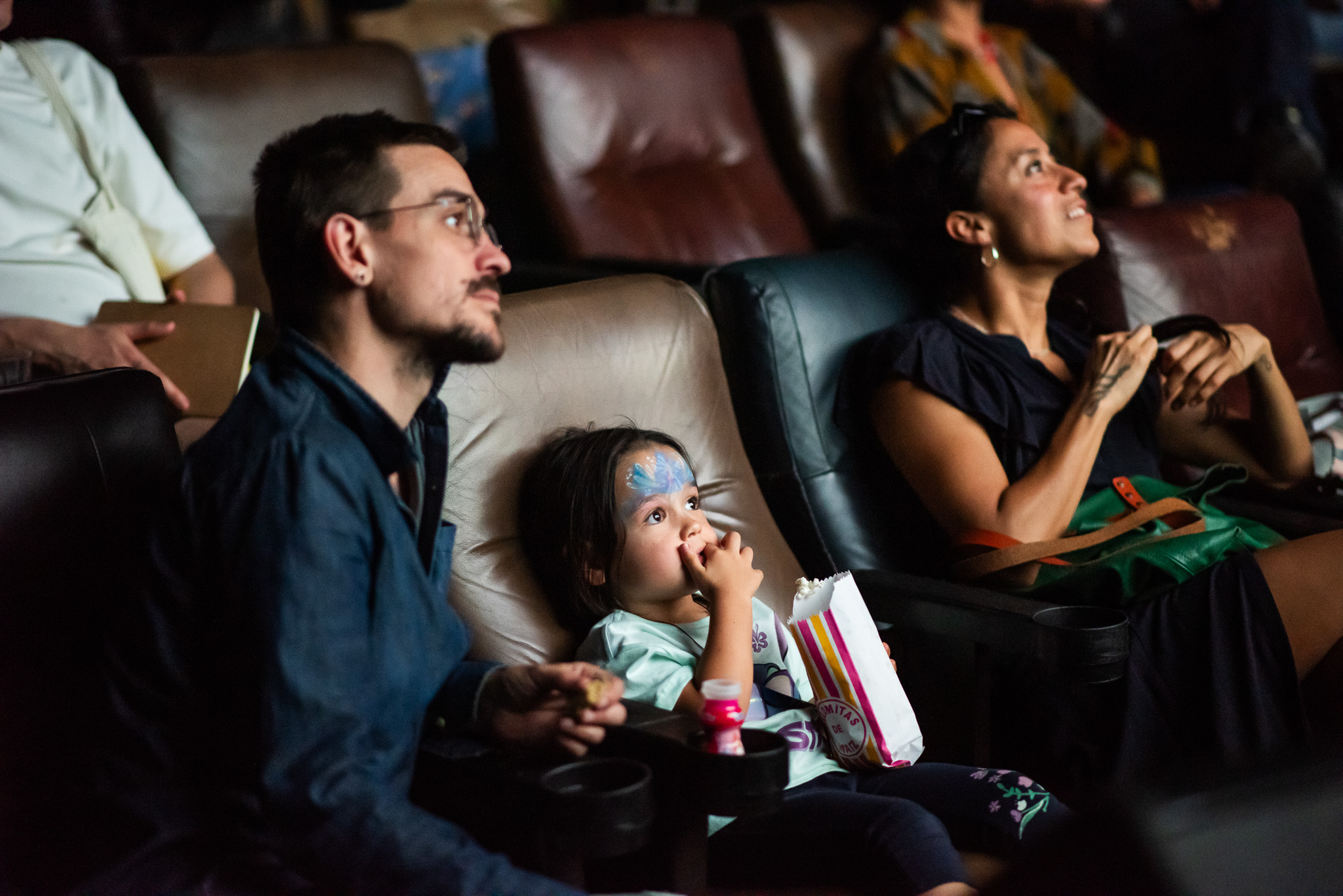
Proyección del cortometraje Nueva Argirópolis de Lucrecia Martel y documental Resurrección de Eugenio Polgovsky en el auditorio del Museo Tamayo con presentación de Carolina Caycedo y conversación entre Deborah Martin y Sofía Enciso.
.jpg)
Proyección del cortometraje Nueva Argirópolis de Lucrecia Martel y documental Resurrección de Eugenio Polgovsky en el auditorio del Museo Tamayo con presentación de Carolina Caycedo y conversación entre Deborah Martin y Sofía Enciso.
Proyección del cortometraje Nueva Argirópolis de Lucrecia Martel y documental Resurrección de Eugenio Polgovsky en el auditorio del Museo Tamayo con presentación de Carolina Caycedo y conversación entre Deborah Martin y Sofía Enciso.
Proyección del cortometraje Nueva Argirópolis de Lucrecia Martel y documental Resurrección de Eugenio Polgovsky en el auditorio del Museo Tamayo con presentación de Carolina Caycedo y conversación entre Deborah Martin y Sofía Enciso.
Proyección del cortometraje Nueva Argirópolis de Lucrecia Martel y documental Resurrección de Eugenio Polgovsky en el auditorio del Museo Tamayo con presentación de Carolina Caycedo y conversación entre Deborah Martin y Sofía Enciso.


.jpeg)
.jpeg)
.jpeg)
.jpeg)