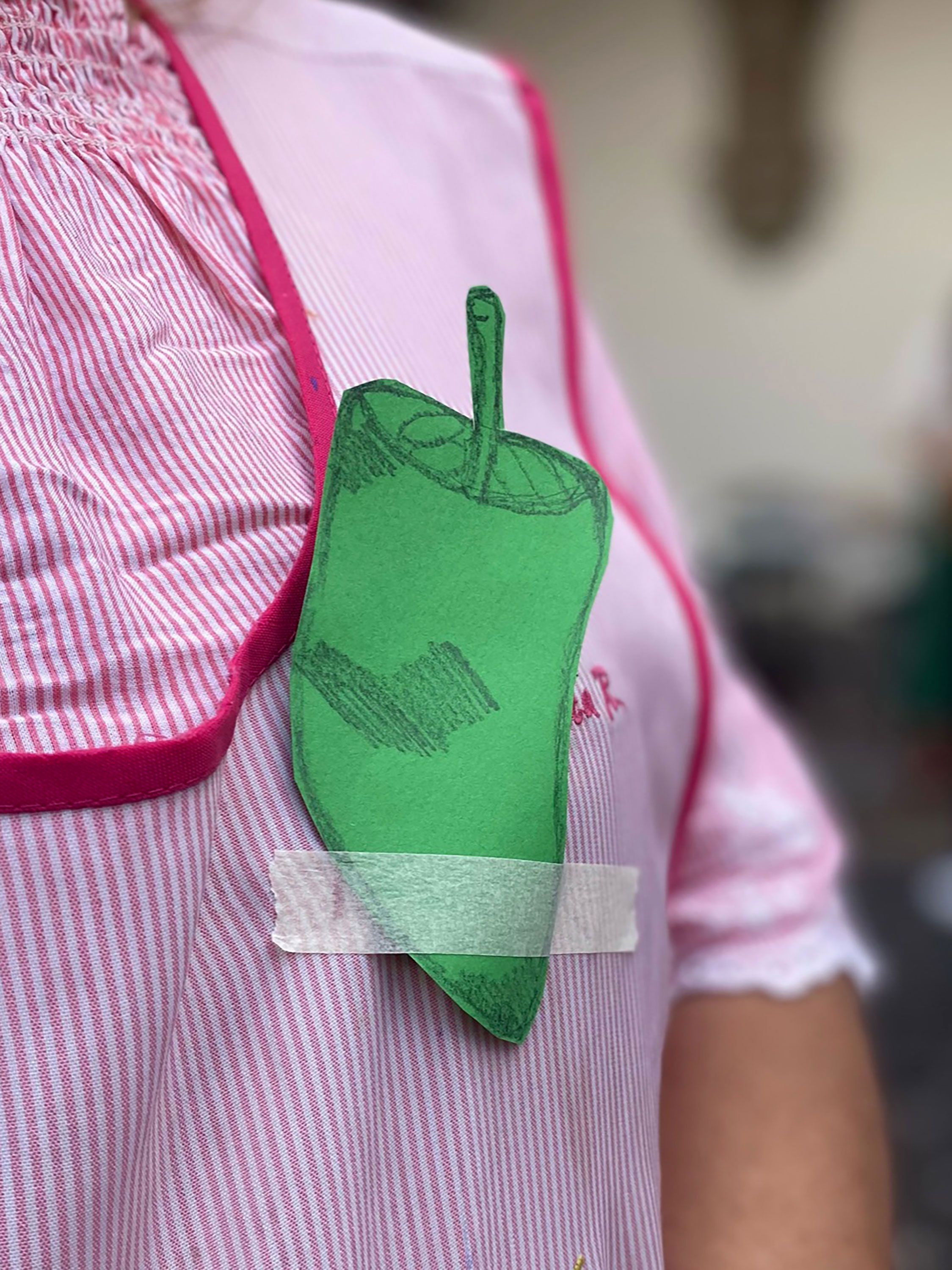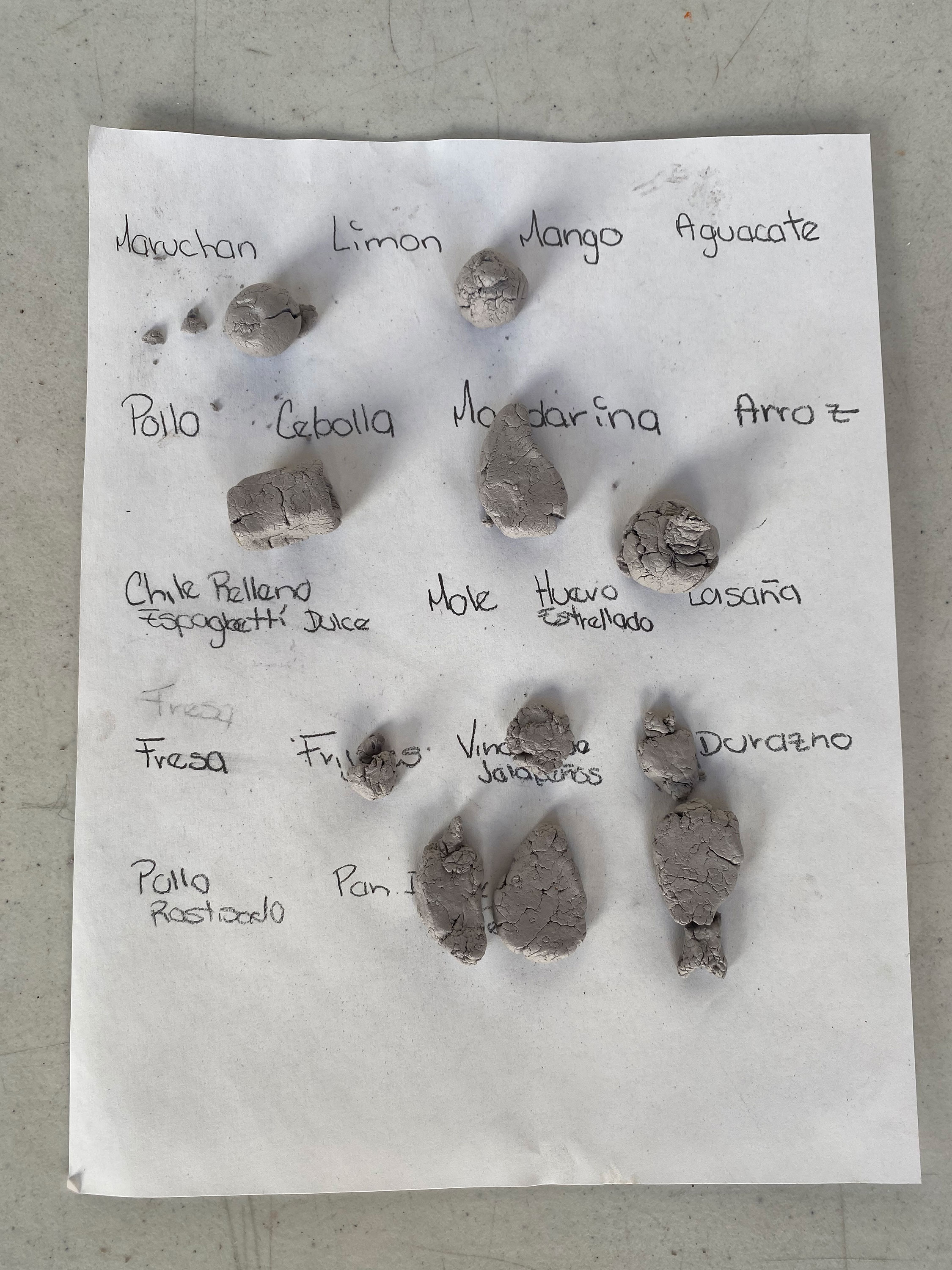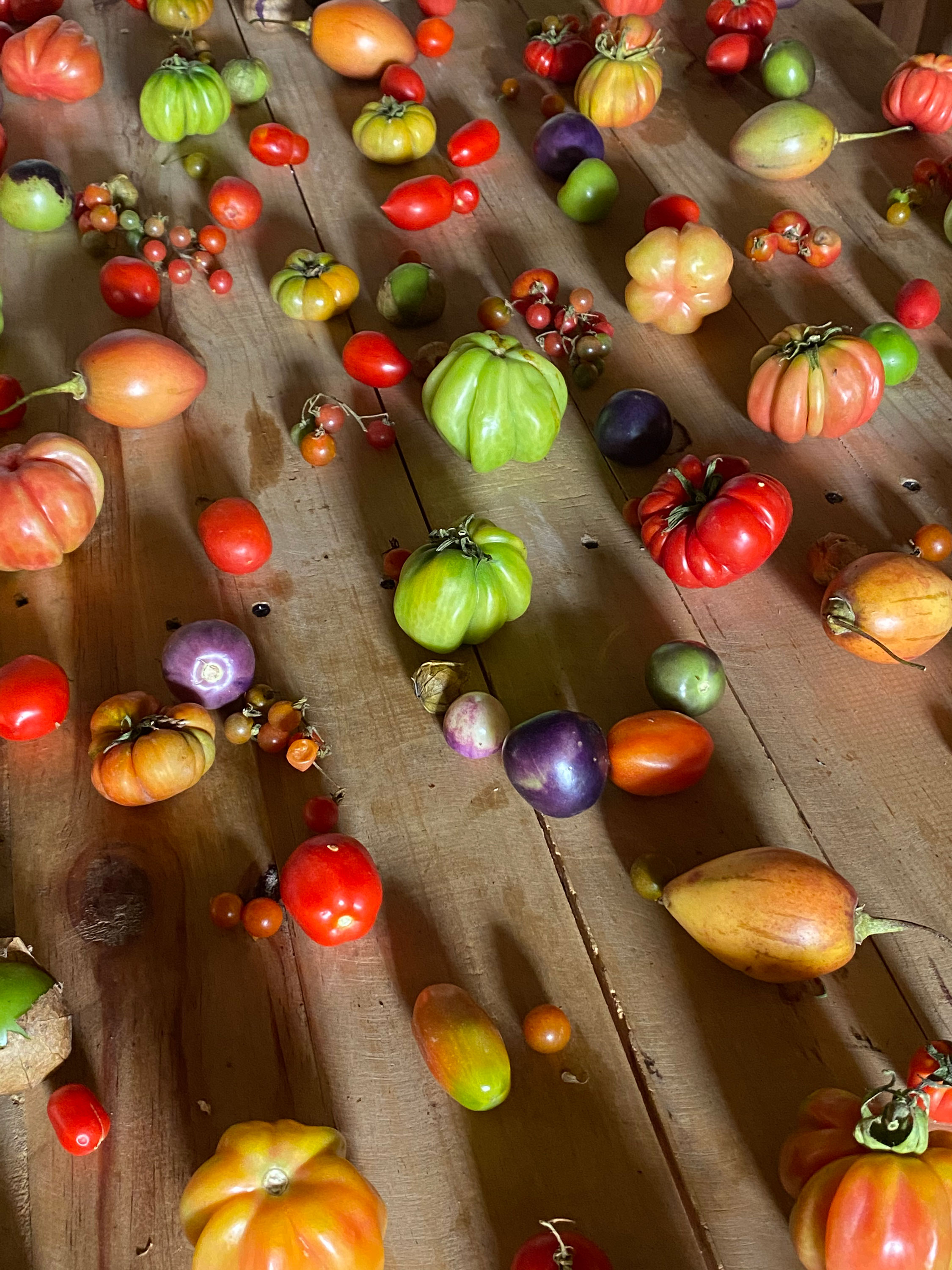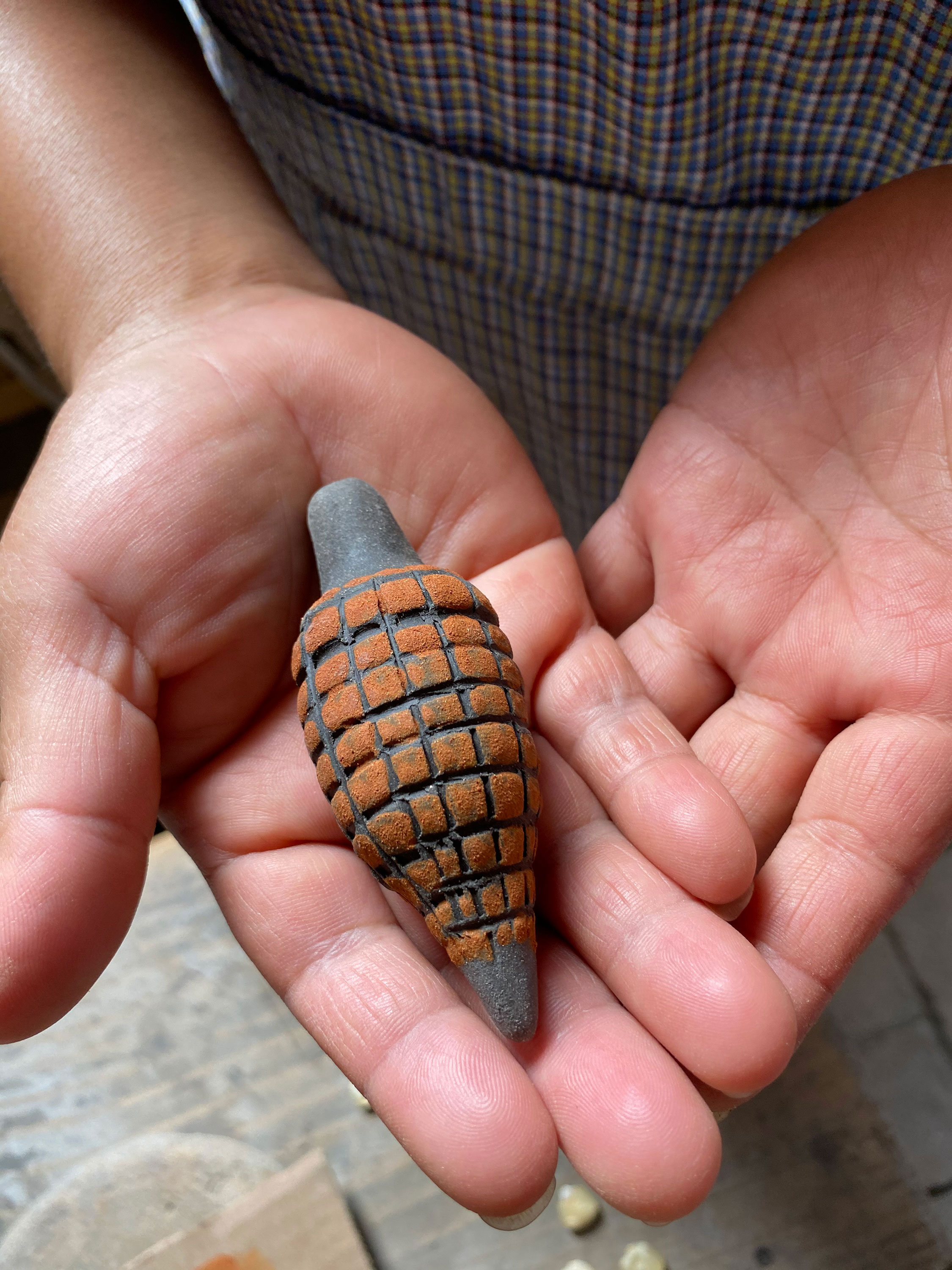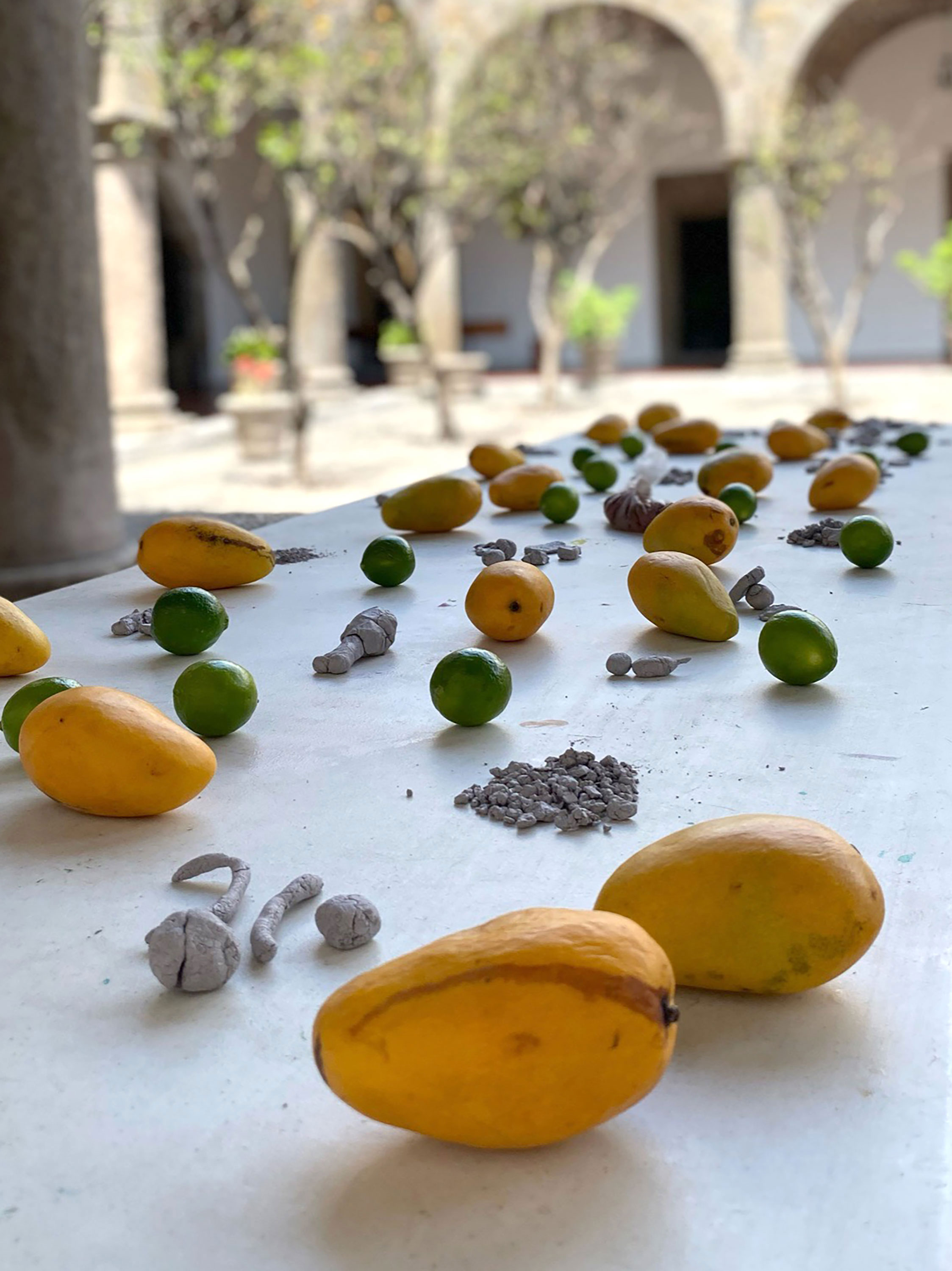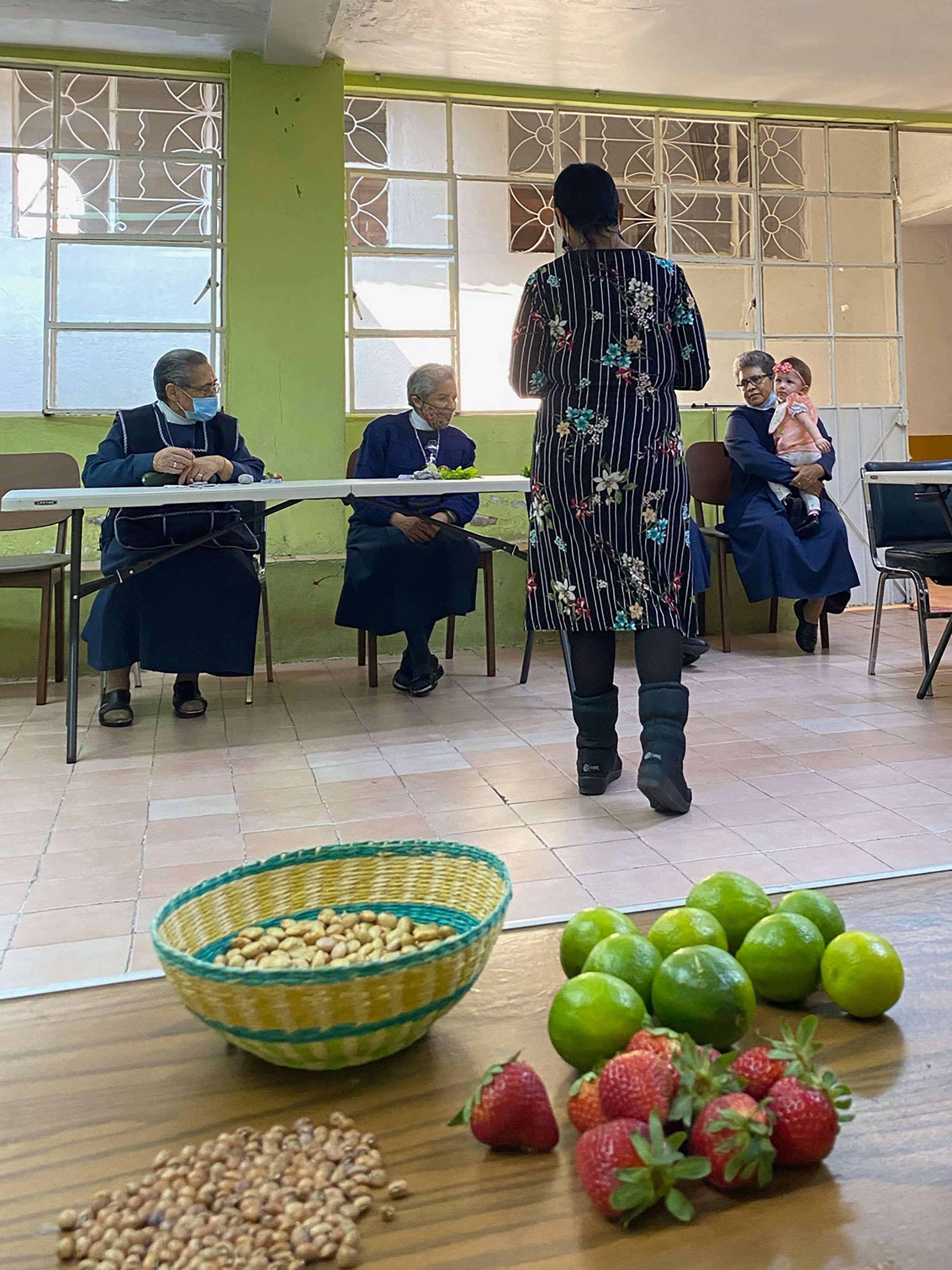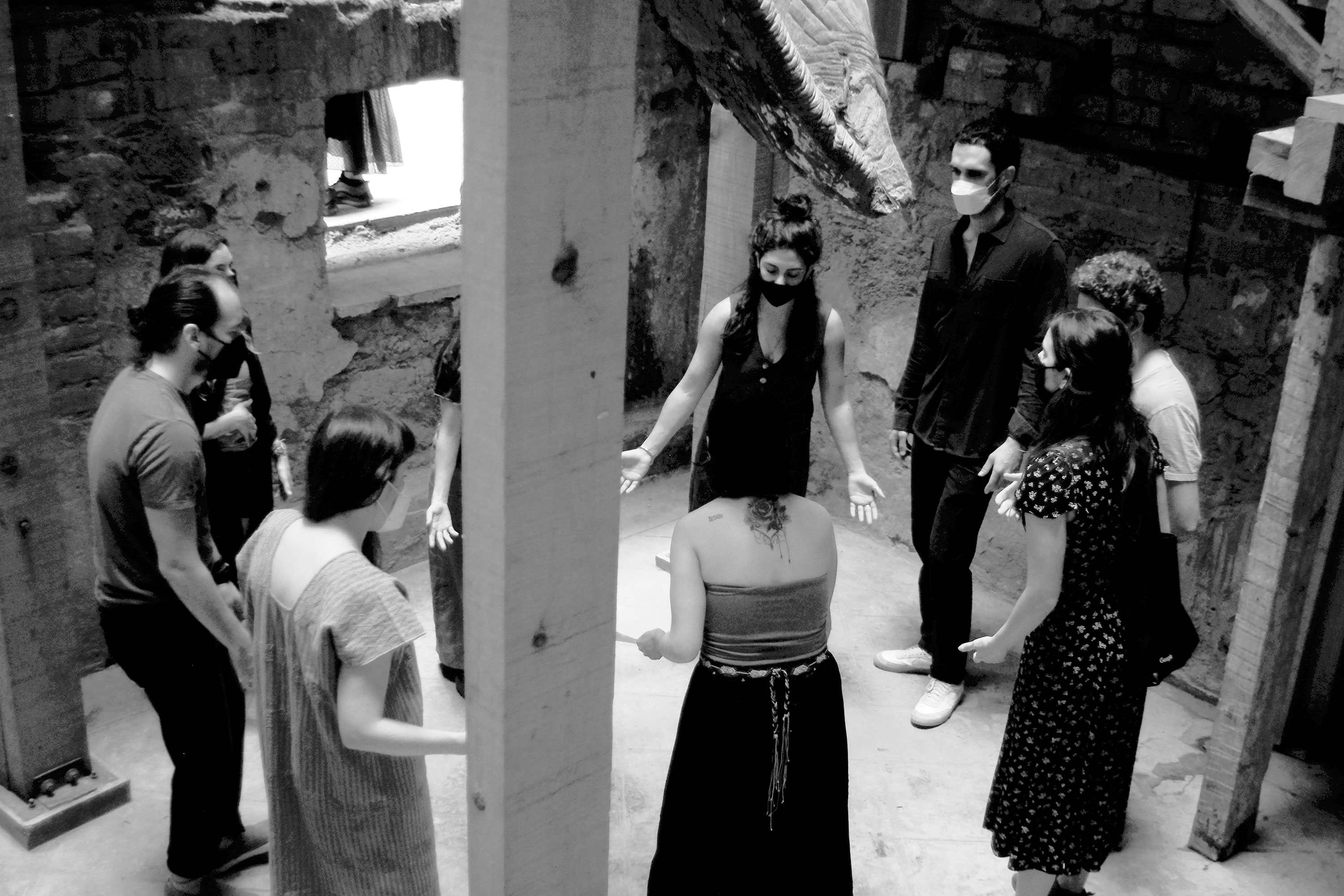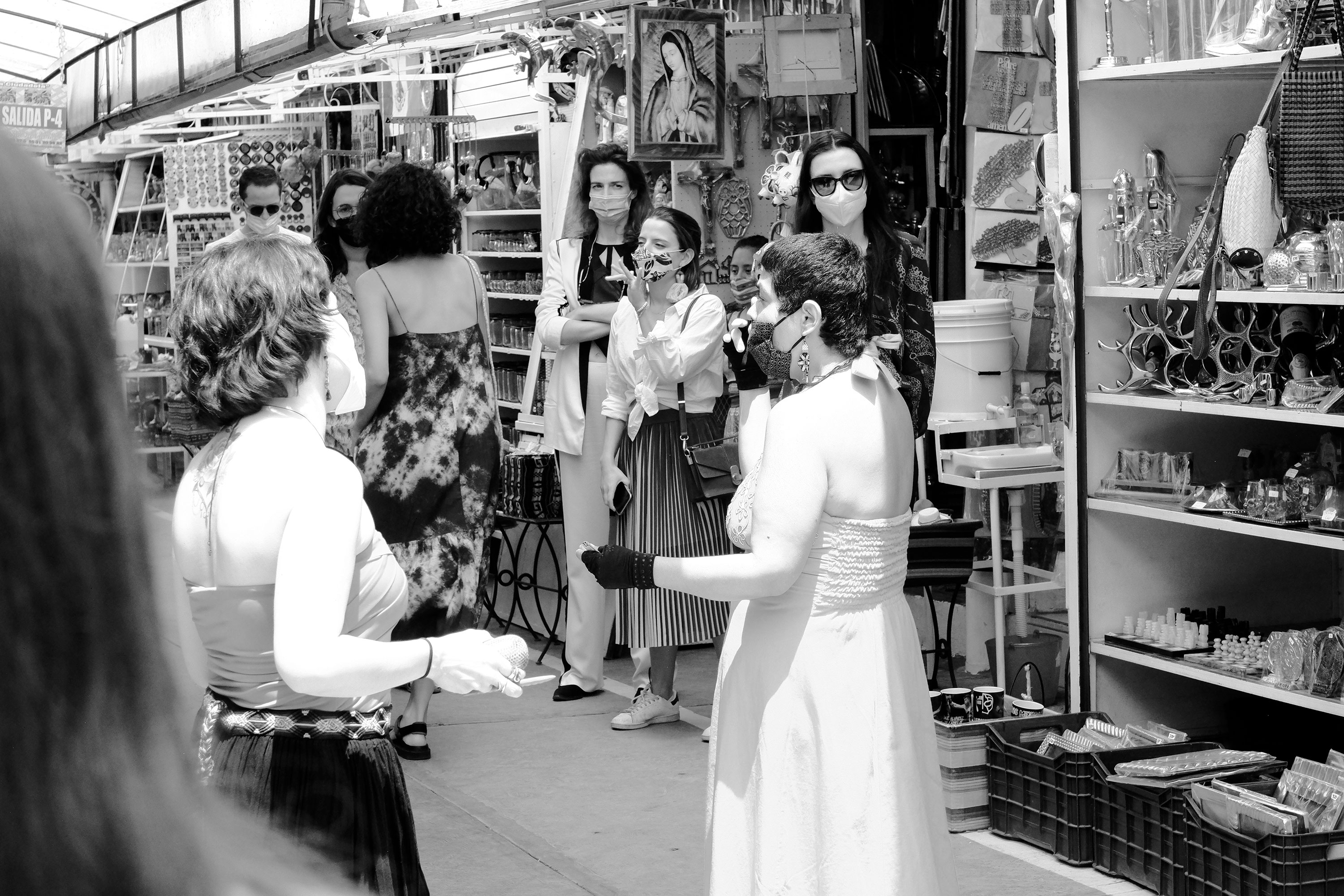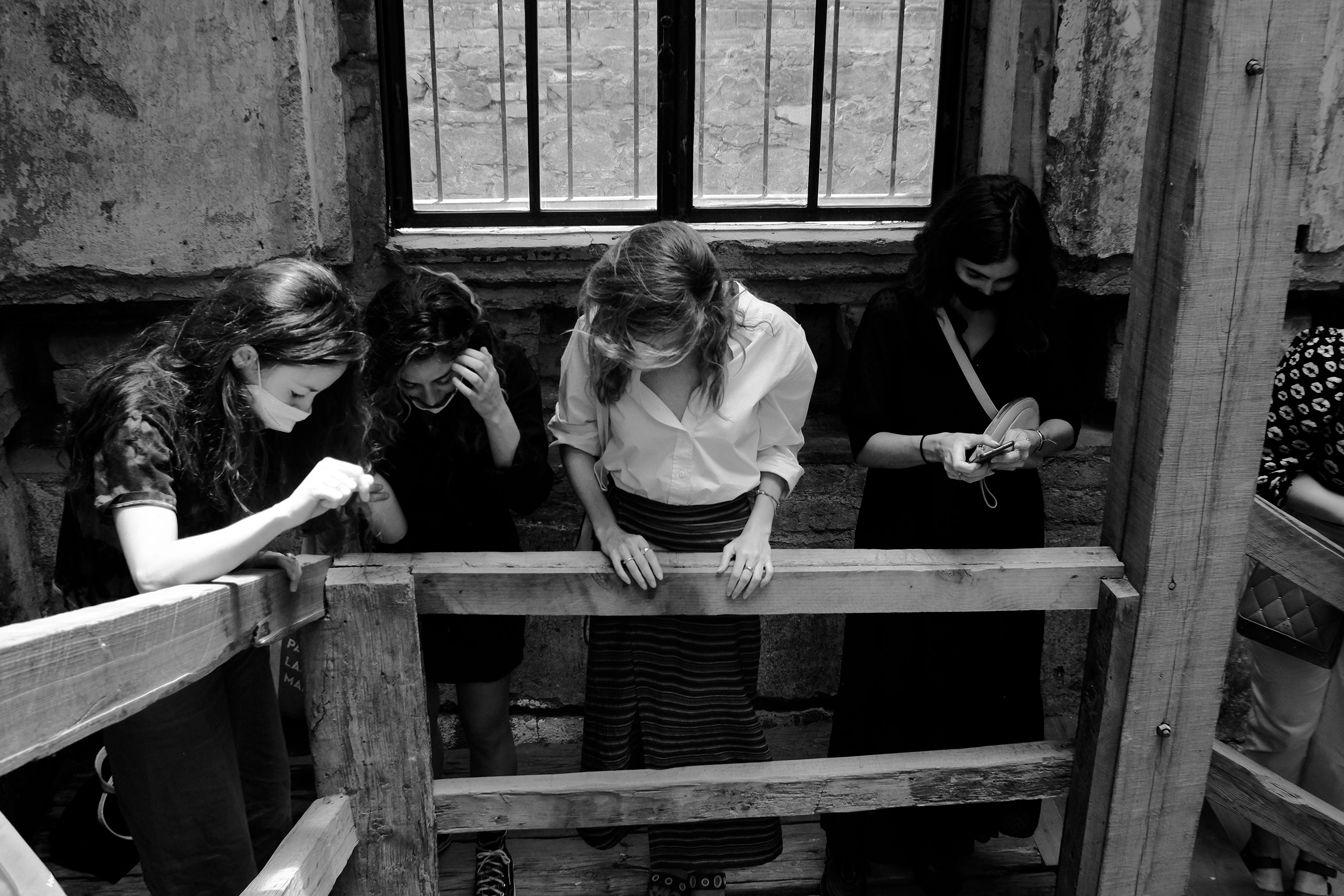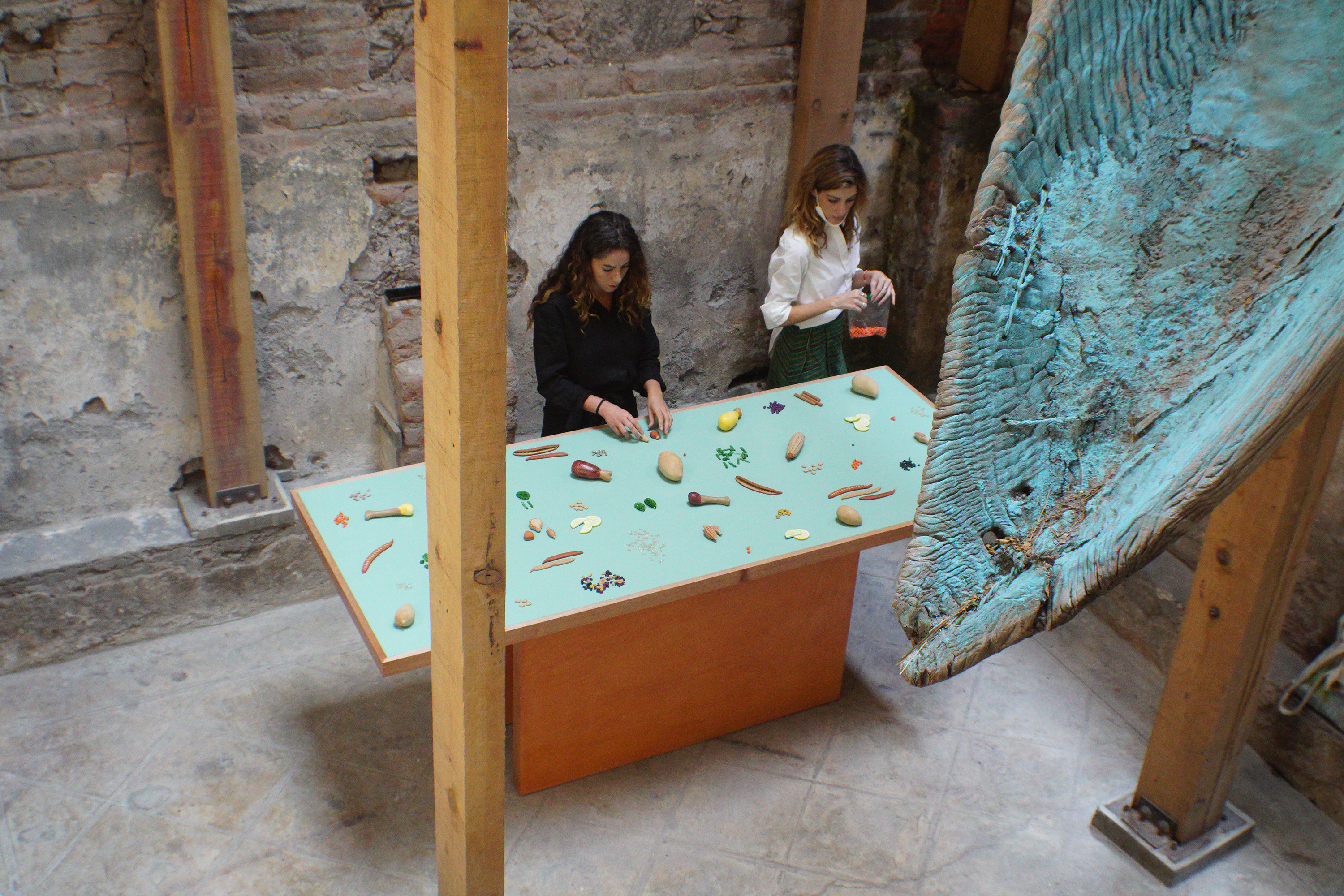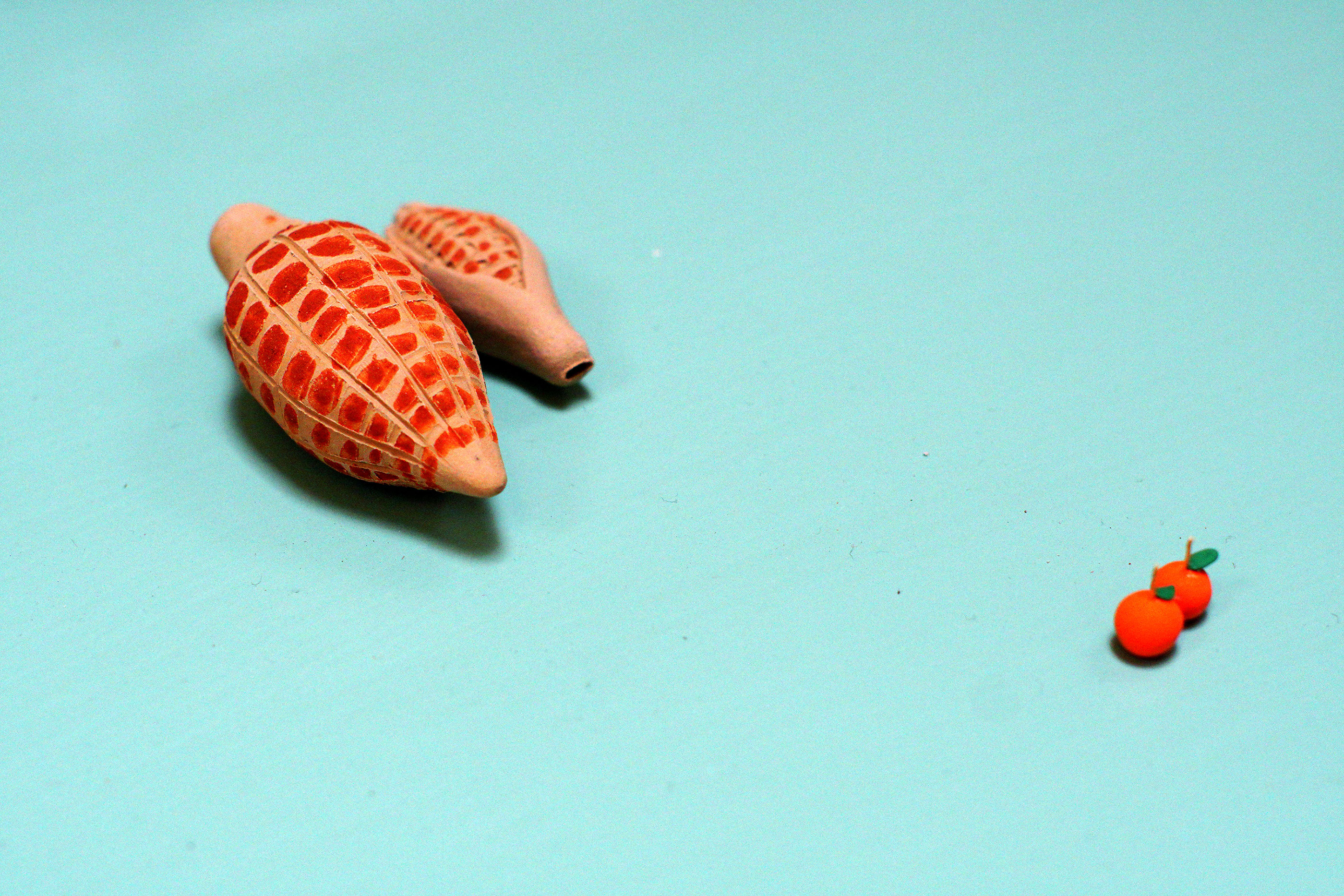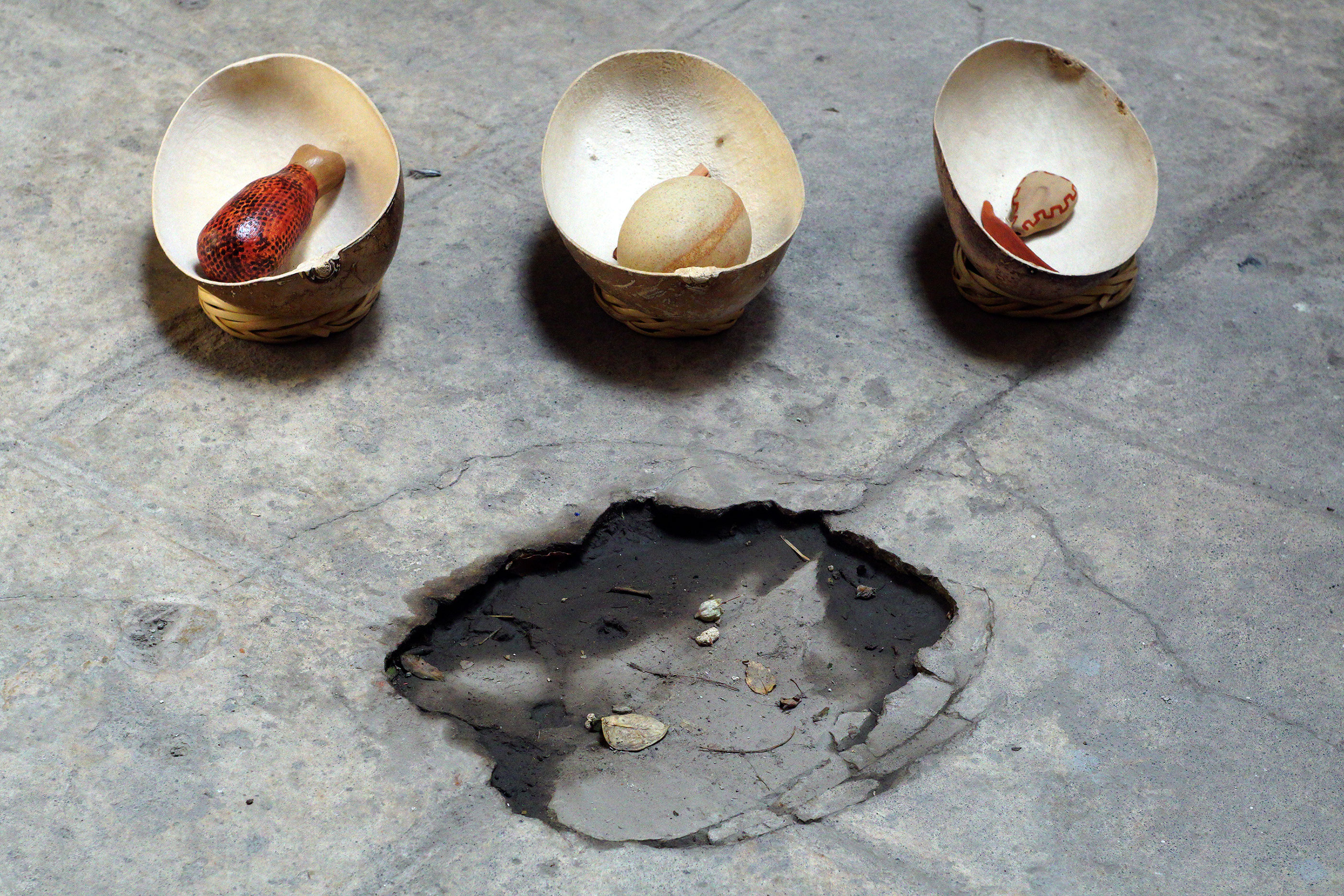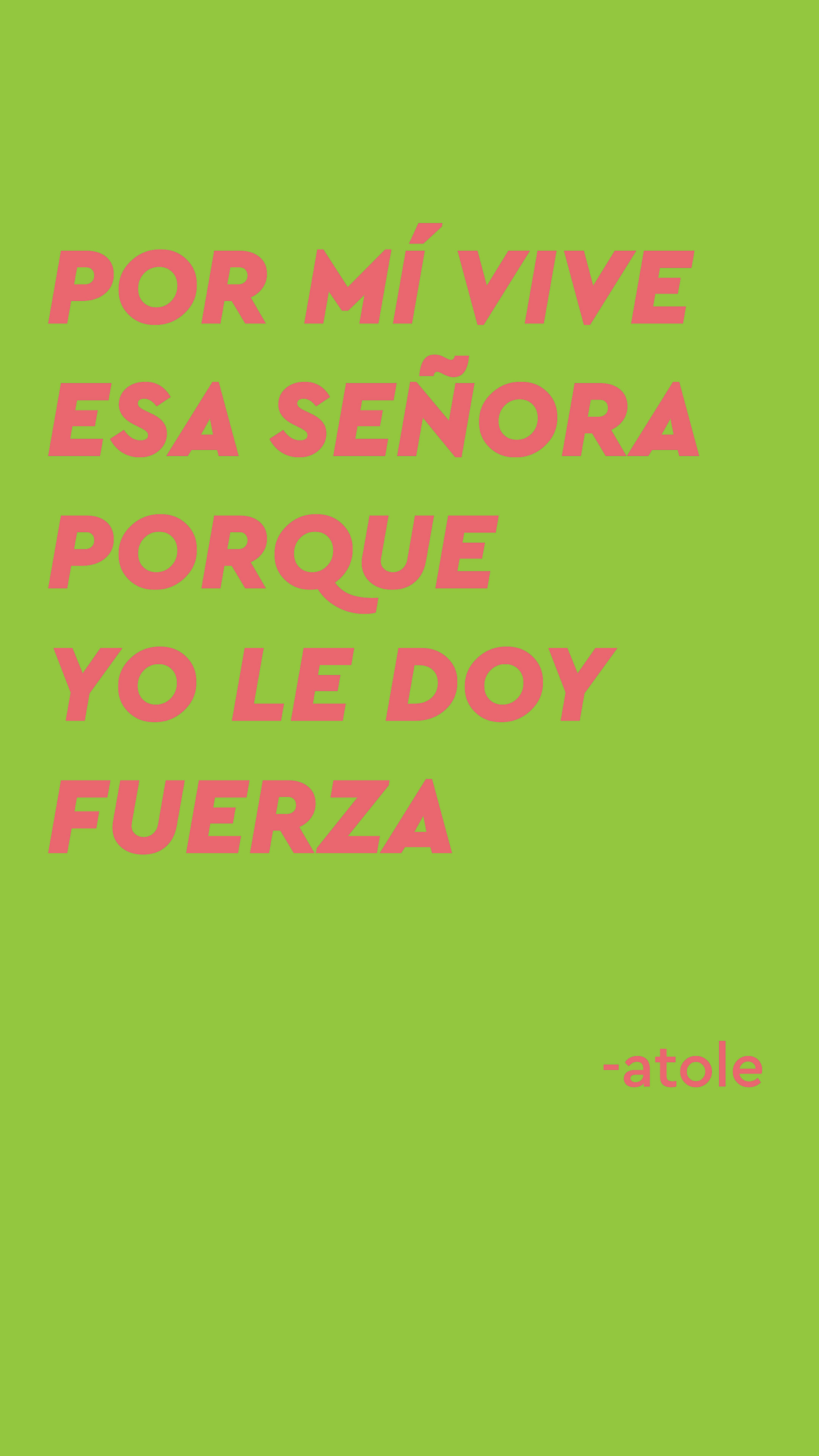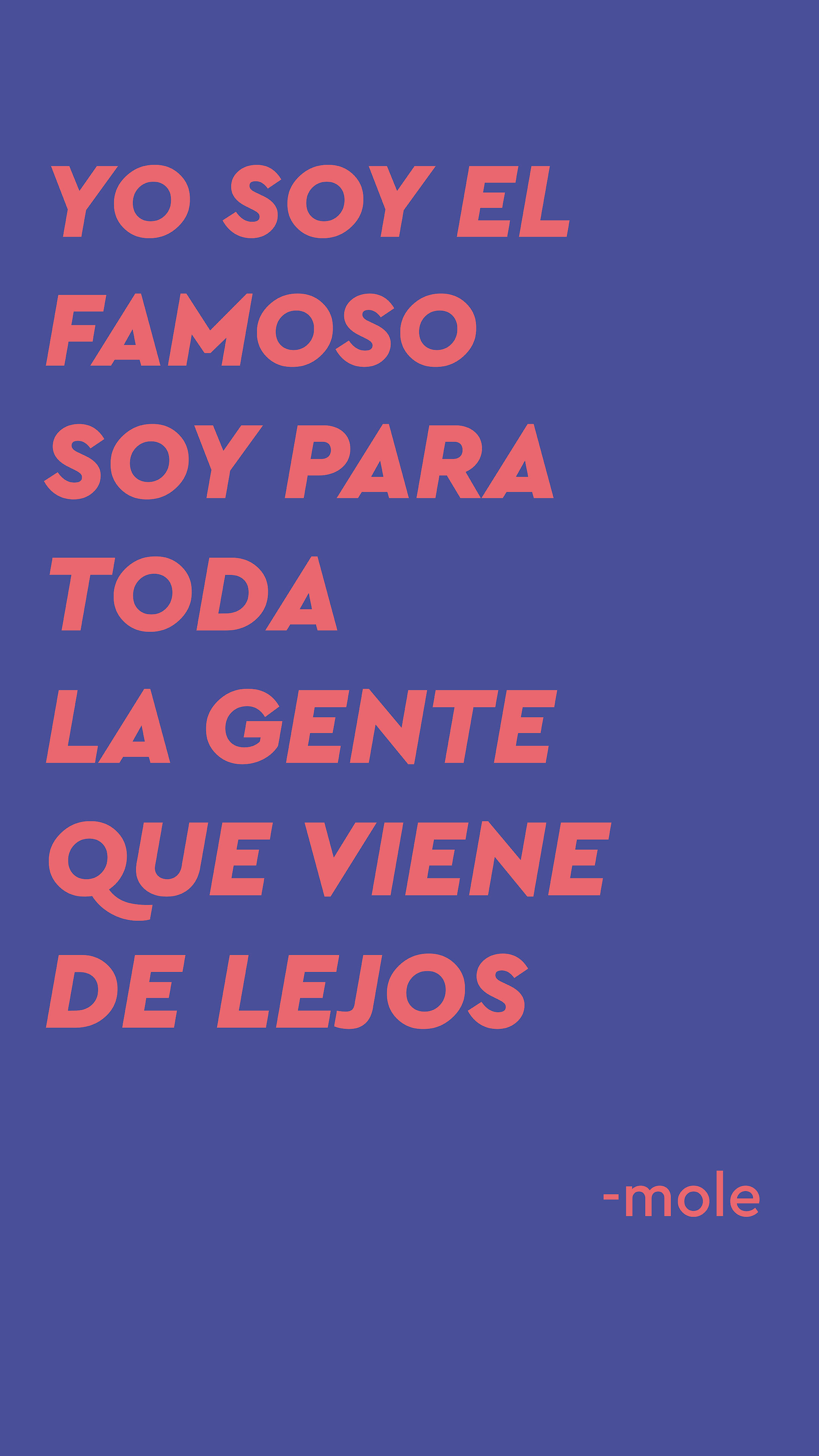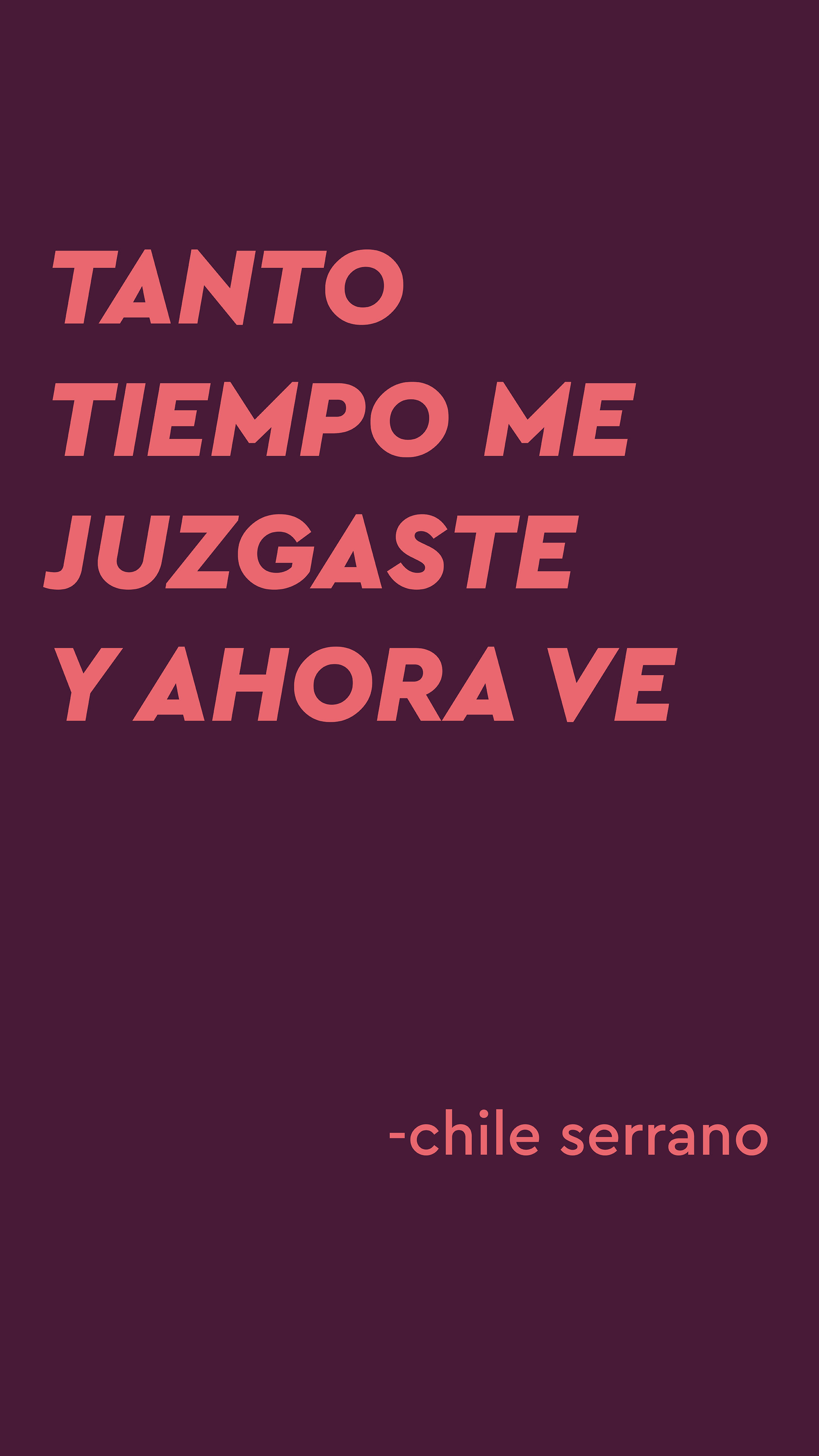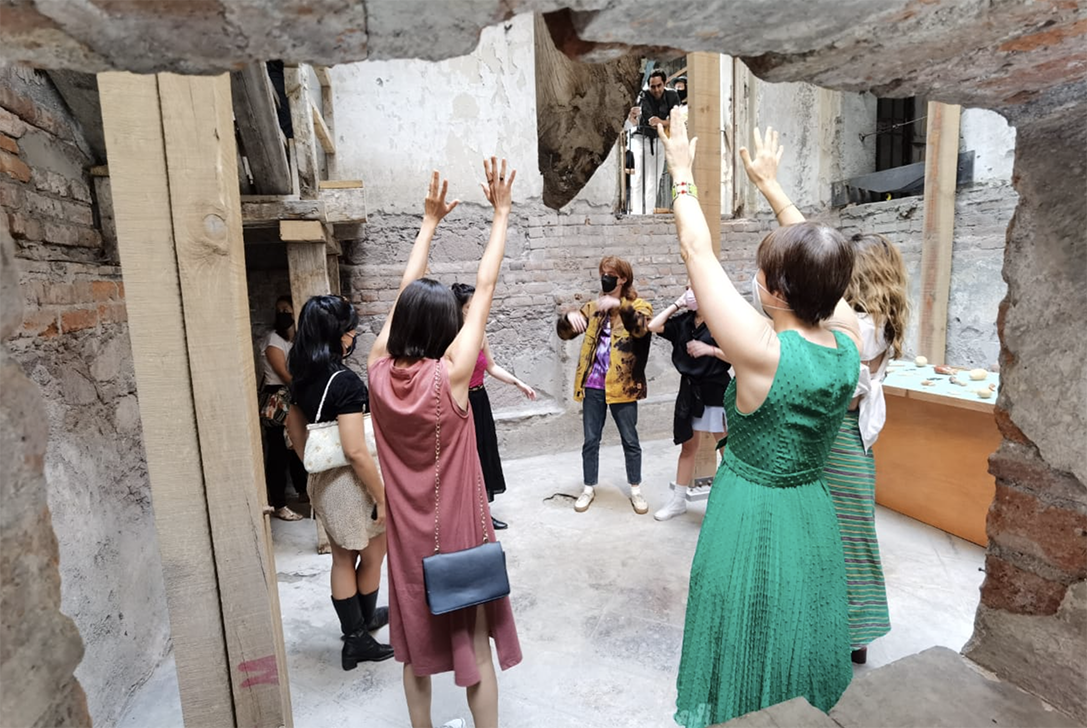

This project brought together stories, hands, and voices to delve into the social, emotional, and (dysfunctional) aspects encapsulated in food.
During a three-month residency in Mexico, Marta Fernández Calvo and Ruta del Castor developed a public art project around food as a form of protection. The project unfolded through encounters with women from rural communities in Guerrero and Oaxaca; young women living under protective care after experiences of violence and abuse; the religious sisters and caregivers of Casa Cuna La Paz, who accompany children in vulnerable circumstances; and members of Ruta del Castor’s extended community of collaborators.
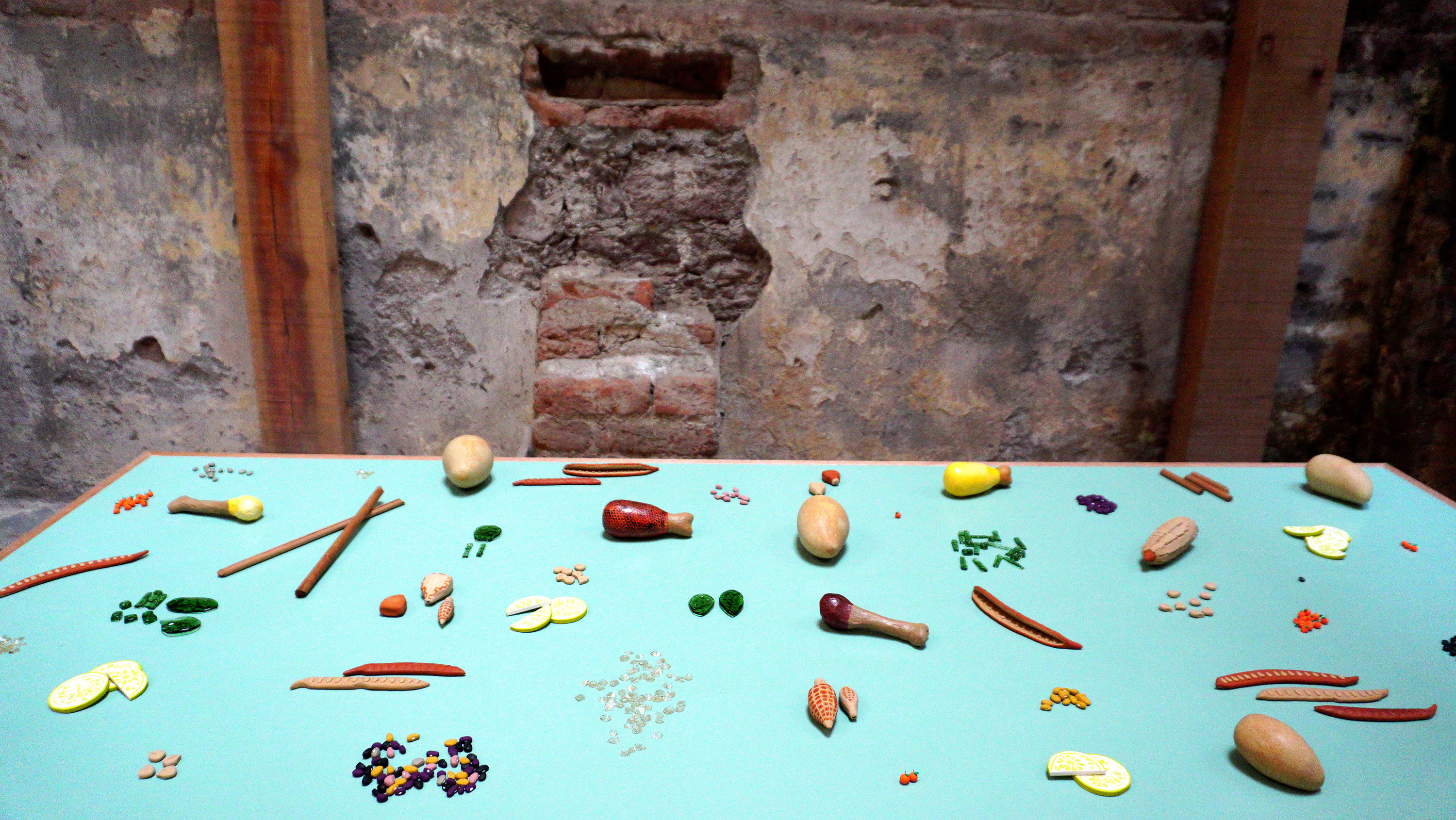
Across these different contexts, the artist invited participants to think of food not only as nourishment, but as memory, shelter, defense, and affection. Through workshops and conversations, each group shared stories of foods that had served as amulets in their lives: corn, beans, chili seeds, mango, mandarin, chicken leg, lime, and others. These accounts opened a space where domestic knowledge, oral tradition, and everyday survival could be understood as forms of embodied protection.The stories gathered throughout the process were later shared with artisans from different regions of Mexico, who were invited to listen to them and translate them into material forms. The resulting installation took shape as an altar of amulets: a collective structure where foods, voices, craft, and memory converged as gestures of care and resistance.
The work was presented at Proyecto Público PRIM in Mexico City, where it was activated through a performance with singers who sought to make the foods reverberate through the bodies of participants and audience members. Through voice, song, and presence, the action became a way of invoking what nourishes, accompanies, and protects us.
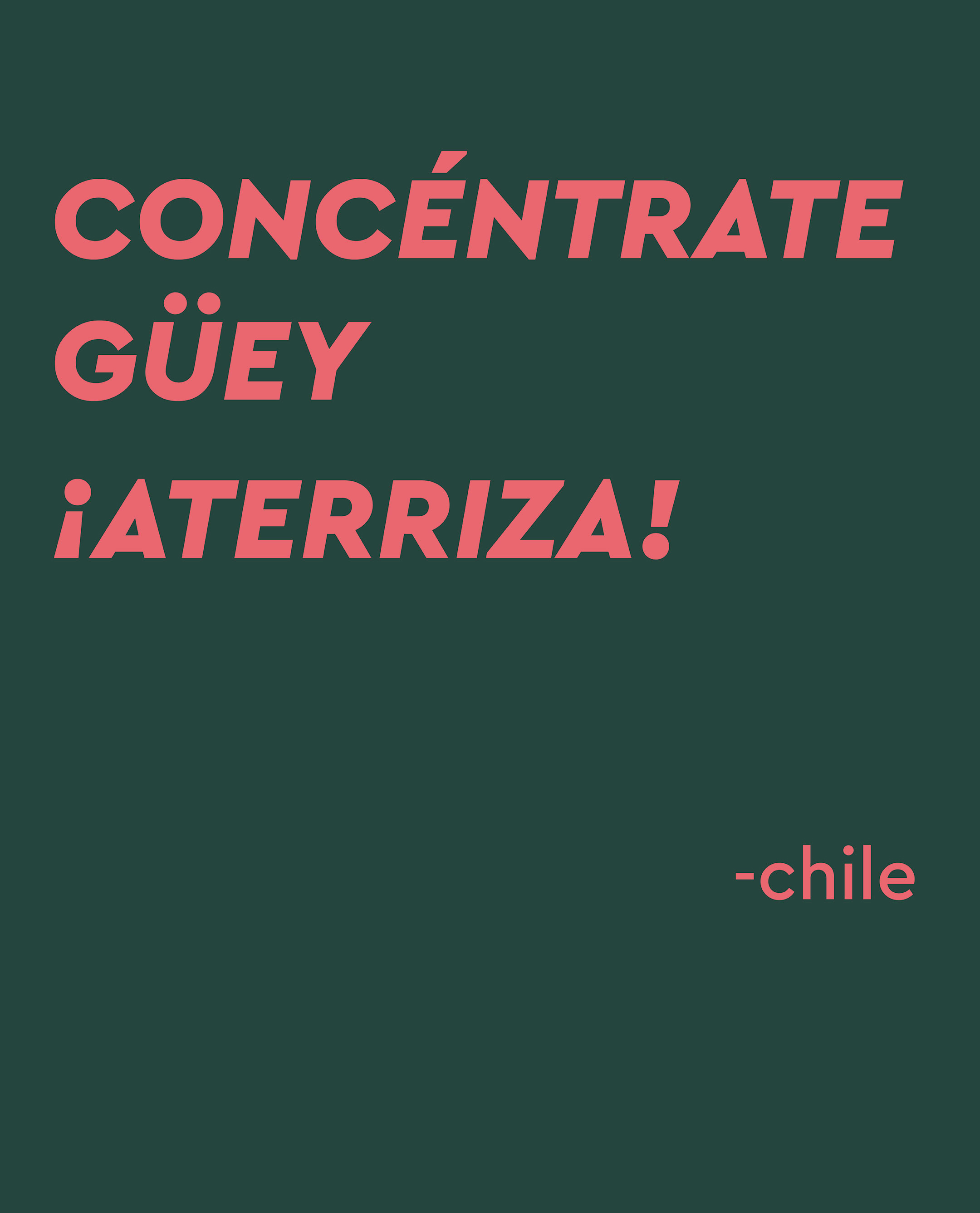
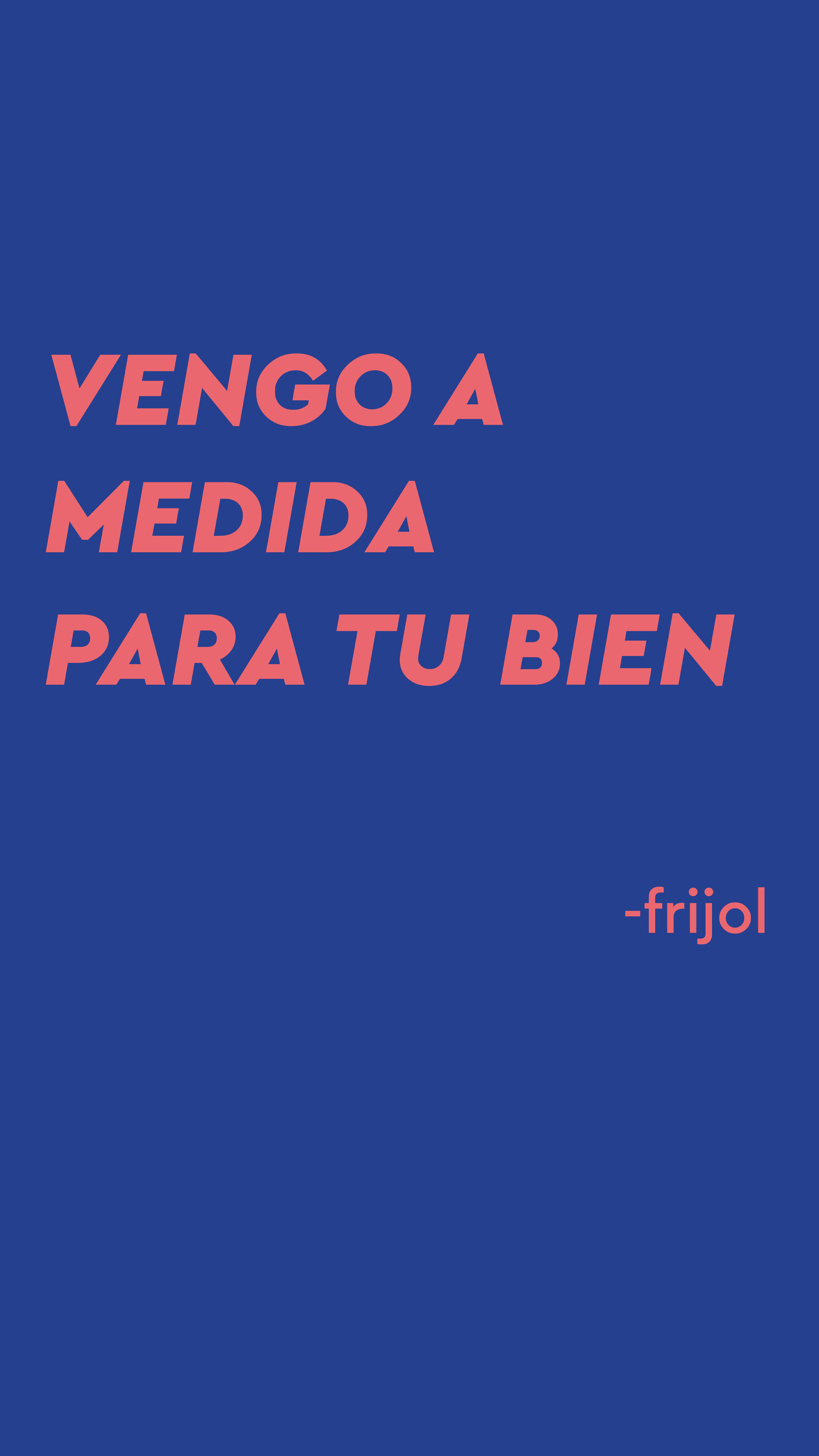
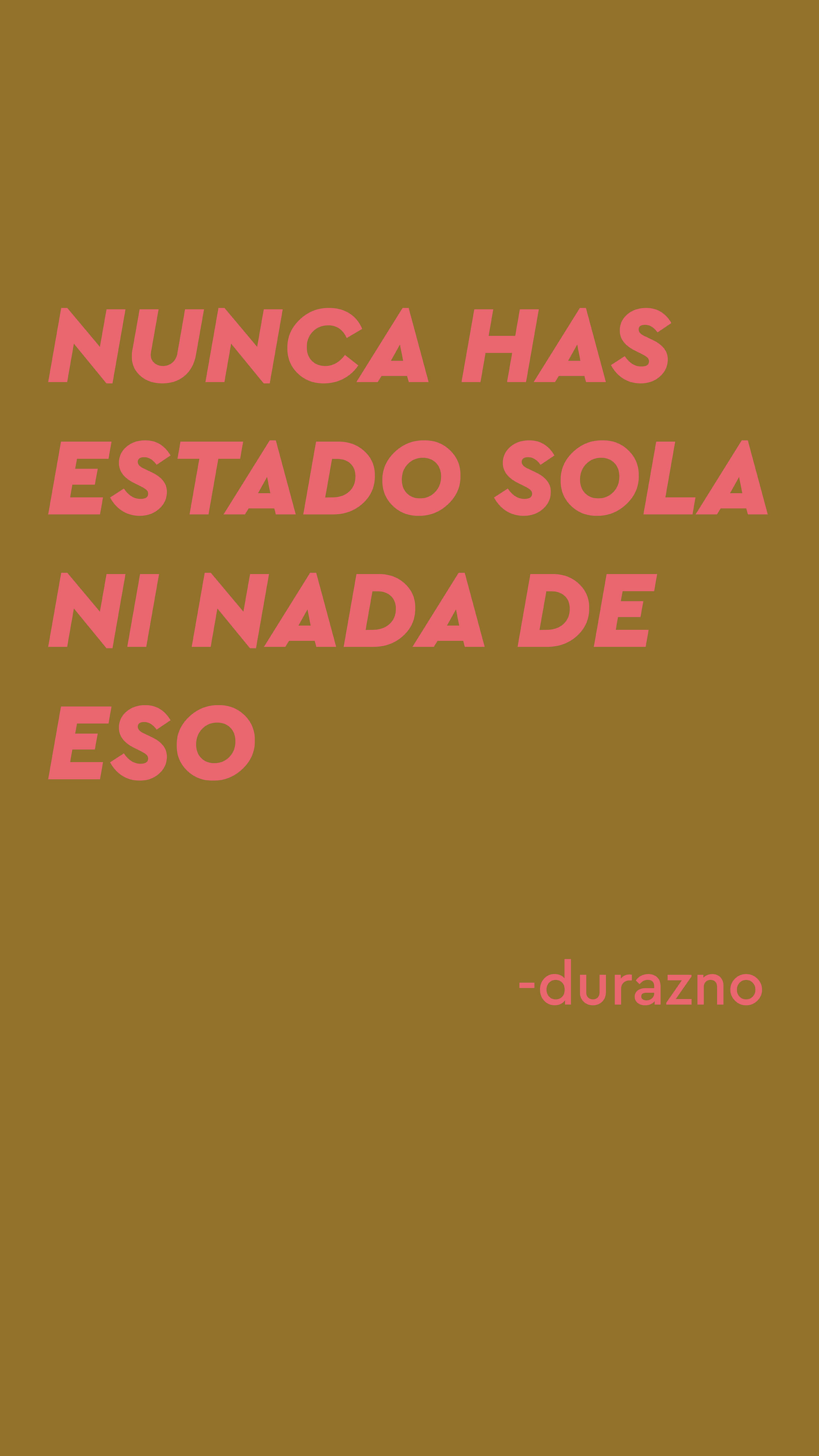
A second public outcome of the project emerged through a collaboration between Ruta del Castor and ZⓈONAMACO Patio. Fragments from the amulet stories were placed in bus shelters across Mexico City, occupying structures usually reserved for advertising. In this shift from intimate testimony to urban circulation, the project brought personal and collective narratives into the public sphere, making visible forms of knowledge and care that often remain outside dominant spaces of representation.
“Yo echo para atrás las cosas malas” celebrates oral tradition as a living technology of protection, transmission, and communal knowledge. By bringing together food, storytelling, craft, song, and public space, the project understands art as a way of amplifying lived memory and transforming everyday gestures into shared forms of resistance, joy, and care.
“For me, the kitchen is a space of resistance where recipes become musical pieces, alter egos, performances, and fictional exercises through which to cross borders and summon joy, love, and grief.”
— Marta Fernández Calvo
Ruta del Castor extends special thanks to Acción Cultural Española, SOMA, and Proyecto Público PRIM for their support and collaboration in the development of this project.

.jpg)

Lem ipsum dolor sit amet, consectetur adipiscing elit, sed do eiusmod tempor incididunt ut labore et dolore magna aliqua. Ut enim ad minim veniam, quis nostrud exercitation ullamco laboris nisi ut aliquip ex ea commodo consequat. Duis aute irure dolor in reprehenderit in voluptate velit esse cillum dolore eu fugiat nulla pariatur.
Lorem ipsum dolor sit amet, consectetur adipiscing elit. Suspendisse varius enim in eros elementum tristique. Duis cursus, mi quis viverra ornare, eros dolor interdum nulla, ut commodo diam libero vitae erat. Aenean faucibus nibh et justo cursus id rutrum lorem imperdiet. Nunc ut sem vitae risus tristique posuere.
Durante la residencia predominaron los objetivos de PROTAGONISMO e IMAGINACIÓN tanto en las intenciones de les artistas como en el impacto observado en los digestivos realizados con el equipo de mediación. La repetición de materiales potenció el sentido de pertenencia e involucramiento de las infancias con el proceso creativo.
Tomando como eje principal los procesos de creación narrativa de las infancias, la residencia de Rufus Shakespeare + Andrés Sánchez exploró diversas técnicas y materiales para el desarrollo de piezas audiovisuales en las que les participantes fueran creadores y protagonistas.
Empleando diversas herramientas tanto análogas como digitales, Rufus y Andrés buscaron potenciar las capacidades expresivas de cada integrante del grupo para compartir su voz individual. Desde el registro sonoro, pasando por el stop motion hasta el uso de pantalla verde, las piezas finales presentan un vistazo a universos lúdicos llenos de textura y movimiento.
La residencia concluyó con una muestra grupal de todas las piezas audiovisuales a manera de premiere con una alfombra roja, paparazzis, palomitas y un picnic de celebración.
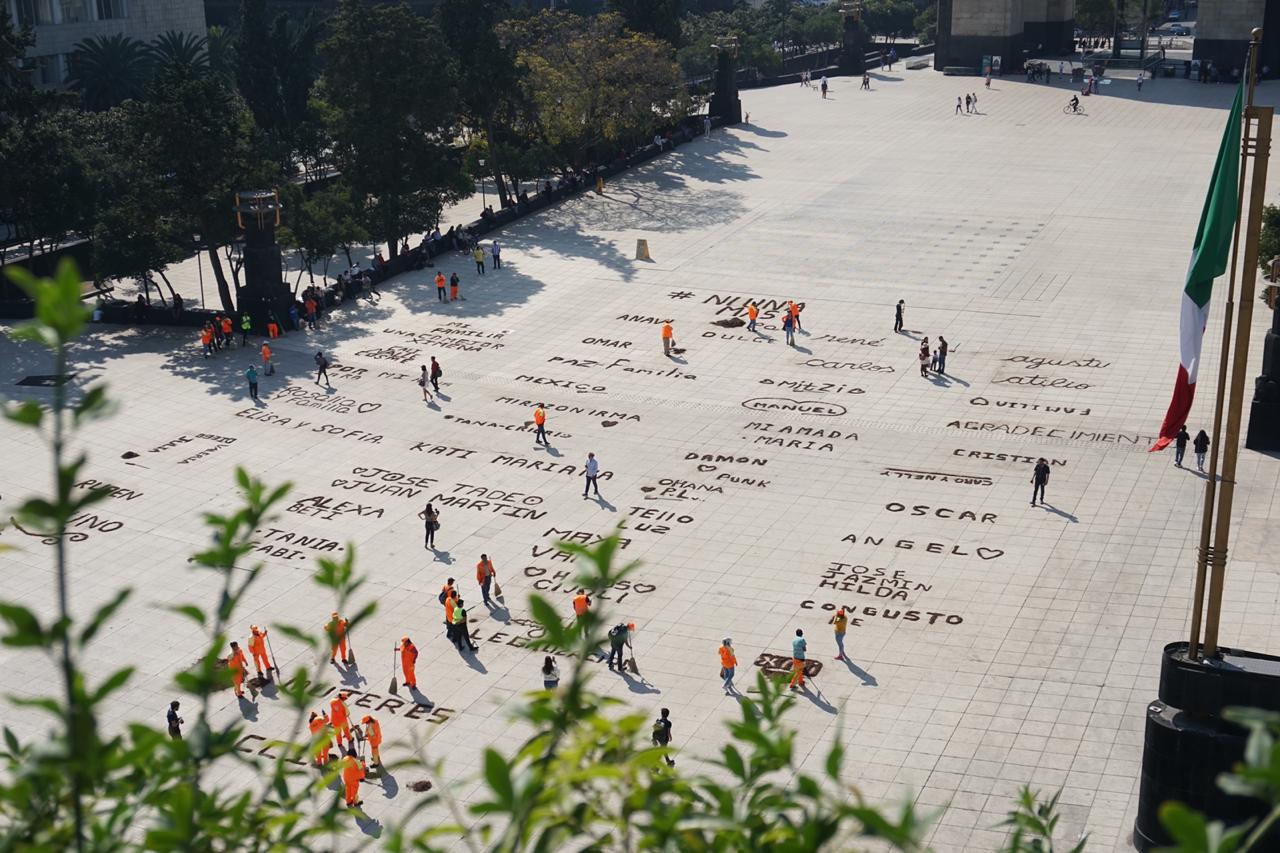
Aportaciones importantes
“Esta residencia nos ayudó a consolidar una forma de estructurar proyectos que construyen poco a poco. También aprendimos a trabajar con el caos”
— Rufus Shakespeare

Proyección del cortometraje Nueva Argirópolis de Lucrecia Martel y documental Resurrección de Eugenio Polgovsky en el auditorio del Museo Tamayo con presentación de Carolina Caycedo y conversación entre Deborah Martin y Sofía Enciso.
.jpg)
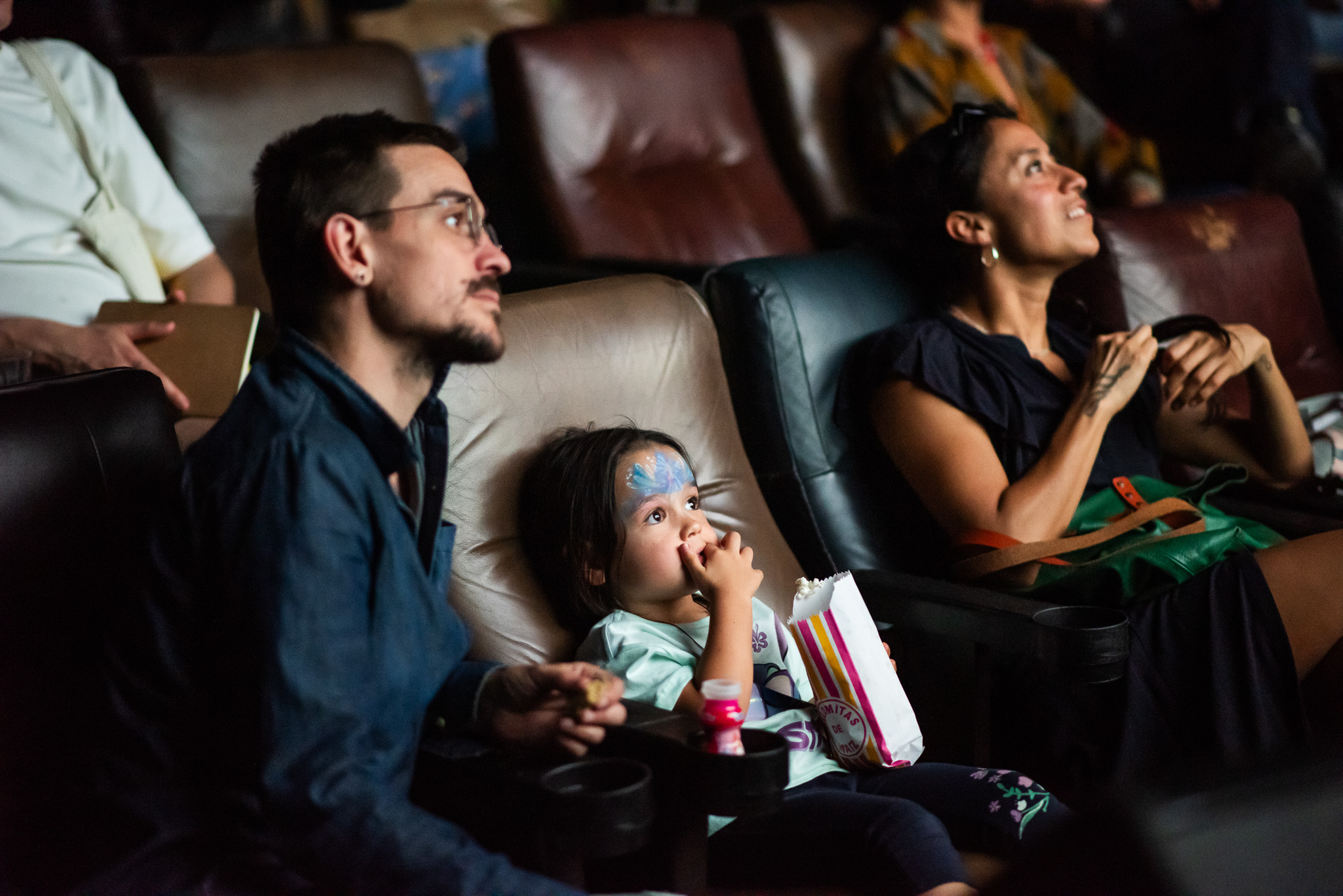
Proyección del cortometraje Nueva Argirópolis de Lucrecia Martel y documental Resurrección de Eugenio Polgovsky en el auditorio del Museo Tamayo con presentación de Carolina Caycedo y conversación entre Deborah Martin y Sofía Enciso.
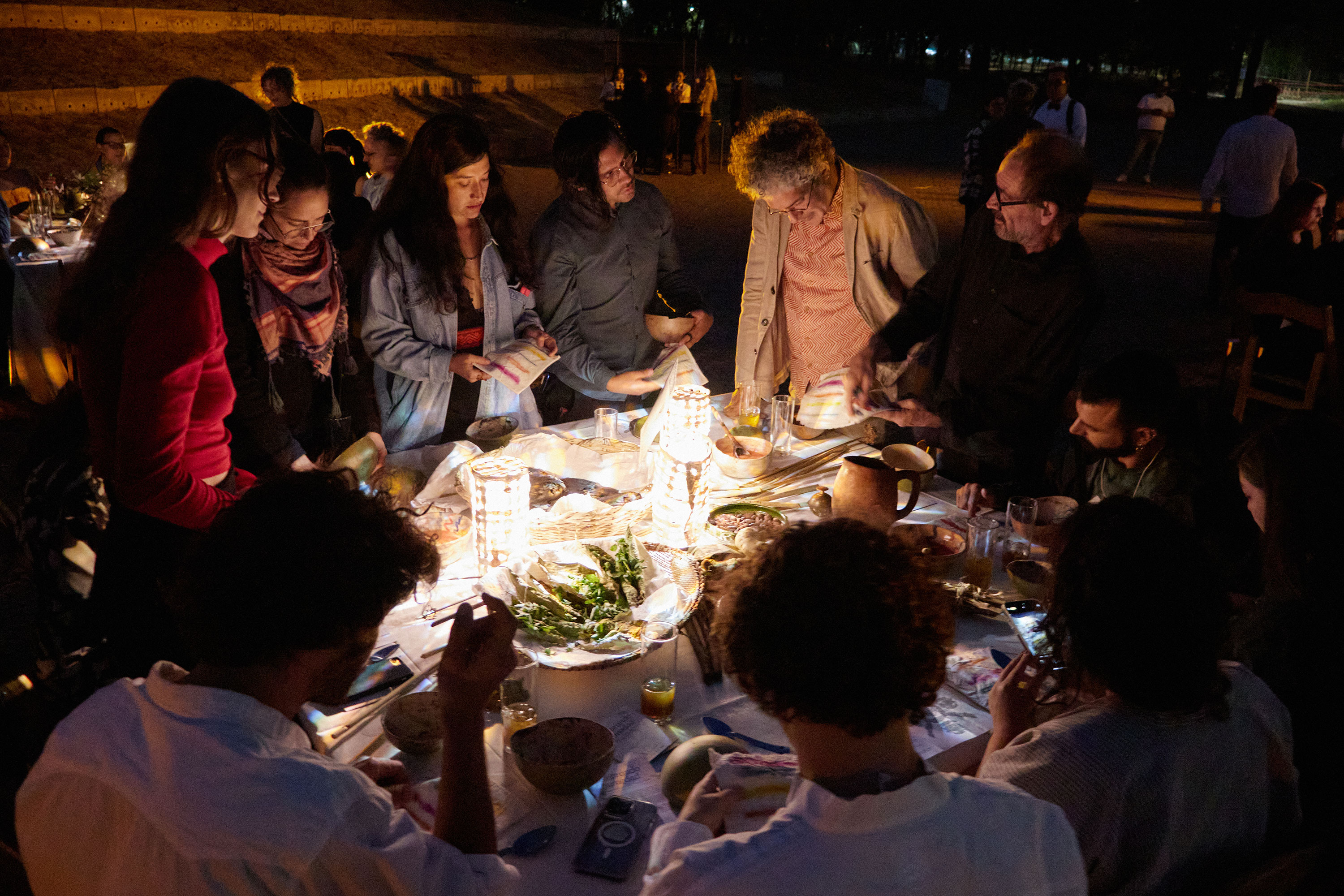
Proyección del cortometraje Nueva Argirópolis de Lucrecia Martel y documental Resurrección de Eugenio Polgovsky en el auditorio del Museo Tamayo con presentación de Carolina Caycedo y conversación entre Deborah Martin y Sofía Enciso.
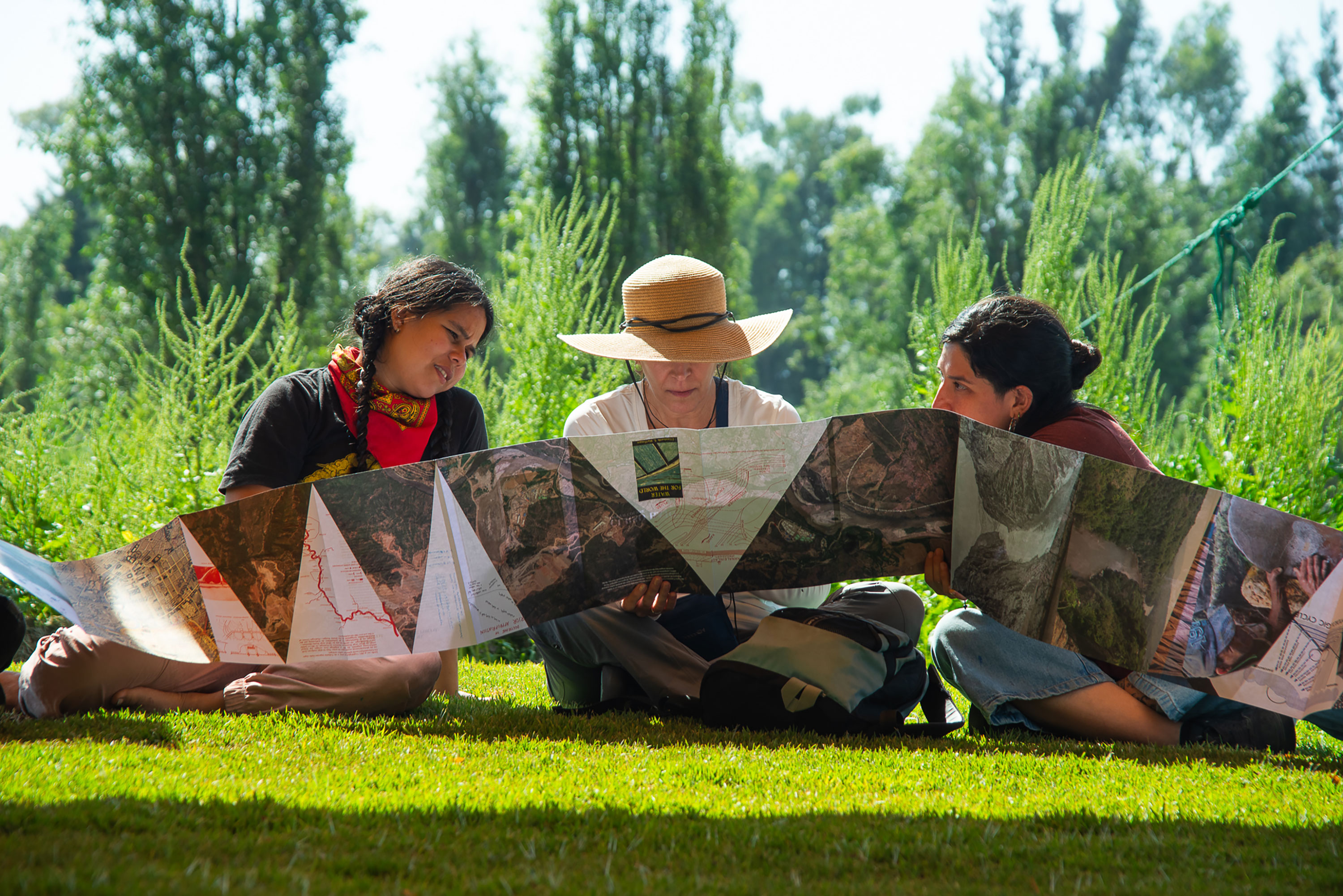
Proyección del cortometraje Nueva Argirópolis de Lucrecia Martel y documental Resurrección de Eugenio Polgovsky en el auditorio del Museo Tamayo con presentación de Carolina Caycedo y conversación entre Deborah Martin y Sofía Enciso.
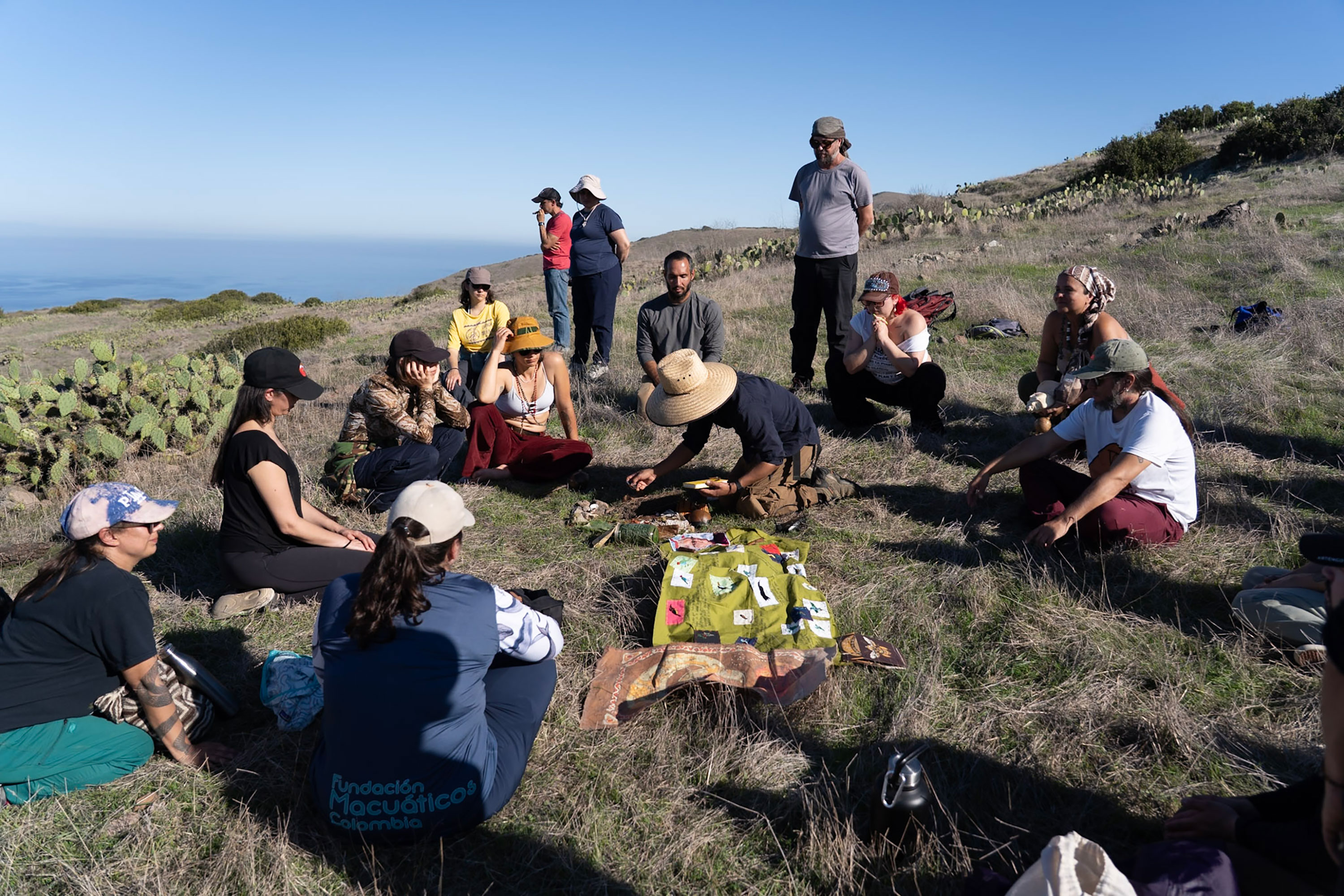
Proyección del cortometraje Nueva Argirópolis de Lucrecia Martel y documental Resurrección de Eugenio Polgovsky en el auditorio del Museo Tamayo con presentación de Carolina Caycedo y conversación entre Deborah Martin y Sofía Enciso.